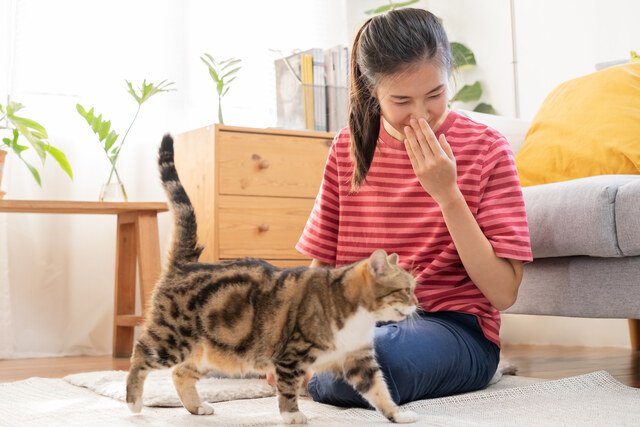
You vacuum regularly, take out the trash every day, mop the floors, and even use air fresheners—yet your apartment still has an unpleasant odor. This is a common problem in many homes, especially in modern apartments with limited ventilation, pet-friendly households, or buildings located in humid climates.
The reason is simple: cleaning removes visible dirt, but it does not always eliminate the bacteria, moisture, volatile gases, and chemical compounds that actually cause unpleasant odors. In many cases, air fresheners only mask the smell instead of eliminating its source.
Understanding where these odors come from and selecting the right odor control solution is the key to creating a cleaner, healthier, and fresher indoor environment.

Common Sources of Apartment Odors
Unpleasant odors can originate from many different sources throughout a home.
Some of the most common include:
- Kitchen cooking and food preparation
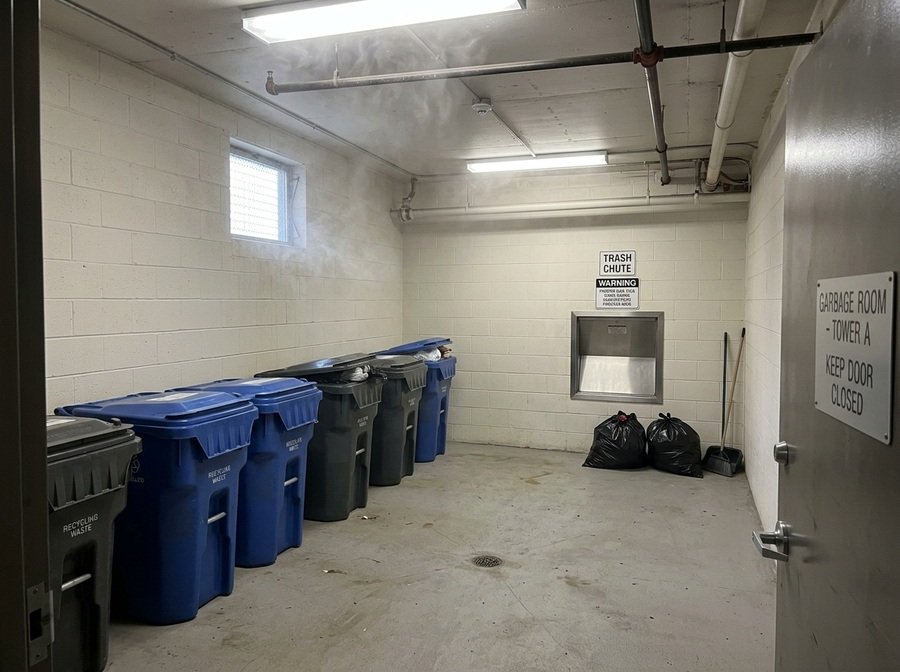
- Garbage bins and food waste
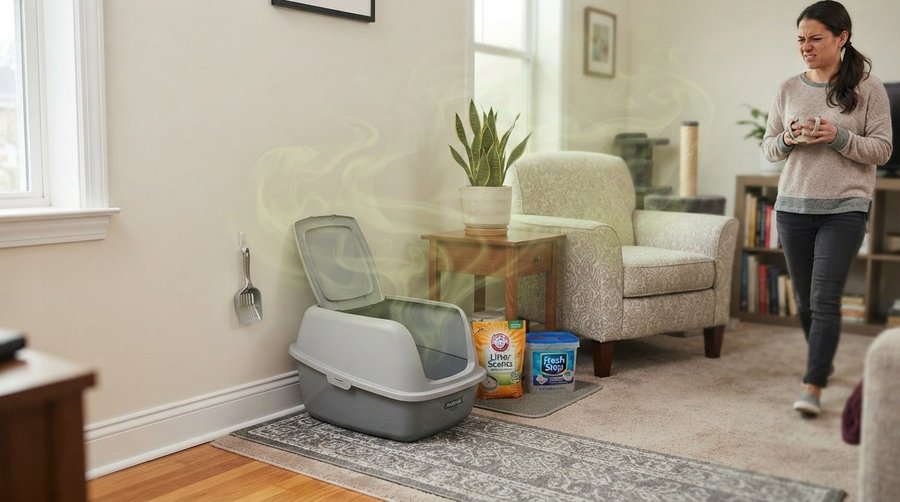
- Pet areas and litter boxes
- Bathrooms and floor drains
- Mold and damp walls
- Cigarette smoke
- New furniture and carpets
- Poor ventilation
Each source produces different odor-causing compounds. For example:
- Pet urine commonly releases ammonia (NH₃).
- Wastewater drains and sewage systems may release hydrogen sulfide (H₂S), known for its rotten egg smell.
- Garbage rooms and organic waste often generate mercaptans (thiols), some of the strongest odor-causing sulfur compounds.
- Smoke, paints, adhesives, furniture, and cleaning products release Volatile Organic Compounds (VOCs) that can negatively affect indoor air quality.
Because these contaminants are chemically different, no single cleaning product can eliminate every type of odor.
Start with the Basics
Before investing in advanced odor control technologies, it is important to eliminate the most common causes of indoor odors.
Improve Ventilation
Fresh air is one of the simplest ways to reduce indoor odors. Instead of leaving one window slightly open all day, open multiple windows for several minutes to create cross ventilation and completely replace the indoor air.
Clean Fabrics Regularly
Curtains, carpets, bedding, towels, and upholstered furniture absorb odors over time. Washing these materials regularly helps remove trapped odor molecules.
Remove Hidden Dust
Dust is made up of skin cells, fibers, pollen, and other organic materials. Dust accumulation on shelves, ceiling fans, air vents, and behind furniture can contribute to stale indoor odors.
Maintain Drains
Kitchen sinks, bathroom drains, and floor drains can become sources of unpleasant smells if organic matter accumulates or water traps dry out. Regular maintenance helps prevent sewer gases from entering the living space.
Modern Odor Control Solutions
If unpleasant odors continue after proper cleaning and ventilation, advanced odor control technologies can provide more effective and long-lasting results.
Zeolite
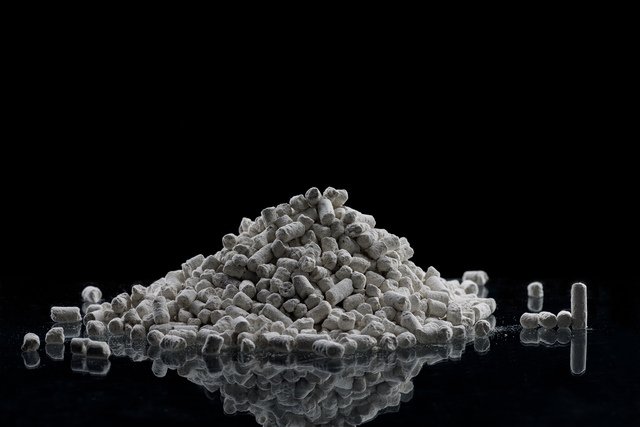
Zeolite is a natural volcanic mineral with a unique crystalline structure capable of adsorbing moisture, ammonia, and certain odor-causing gases. It requires no electricity and is commonly used in closets, shoe cabinets, storage rooms, refrigerators, and pet areas to continuously reduce unwanted odors.
Activated Carbon
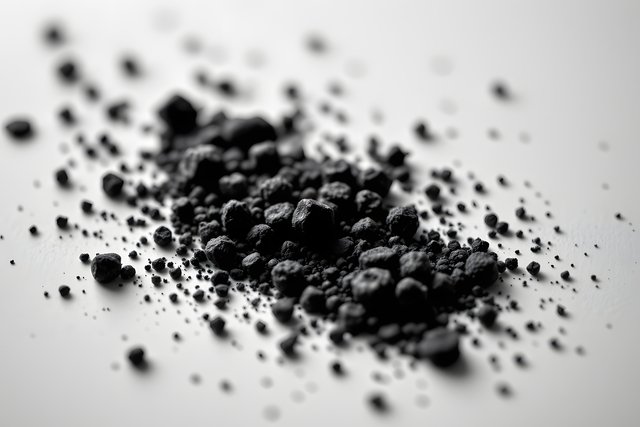
Activated carbon is one of the world’s most effective filtration materials for odor control. Its highly porous structure adsorbs VOCs, smoke, cooking odors, chemical fumes, and many organic compounds responsible for unpleasant smells. Activated carbon filters are widely used in residential air purifiers, commercial kitchens, restaurants, laboratories, and industrial air treatment systems.
UV-C Technology
UV-C technology helps reduce bacteria, mold, fungi, and other microorganisms that contribute to odor formation. While UV-C does not directly remove odor-causing gases, it helps control biological contamination that often creates persistent smells.
Photocatalytic Oxidation (PCO)
Photocatalytic Oxidation (PCO) combines UV light with a catalyst, typically titanium dioxide (TiO₂). When activated, the catalyst generates highly reactive compounds that help break down VOCs and certain odor-causing gases at the molecular level. Depending on the application, PCO can help reduce odors associated with VOCs, hydrogen sulfide (H₂S), ammonia (NH₃), and other airborne contaminants.
Hydroxyl Generators
Hydroxyl generators produce naturally occurring hydroxyl radicals that react with VOCs, airborne contaminants, bacteria, and odor-causing compounds. Because hydroxyl technology can typically operate in occupied spaces, it is widely used in offices, hotels, healthcare facilities, schools, and commercial buildings for continuous air treatment.
Ozone Treatment
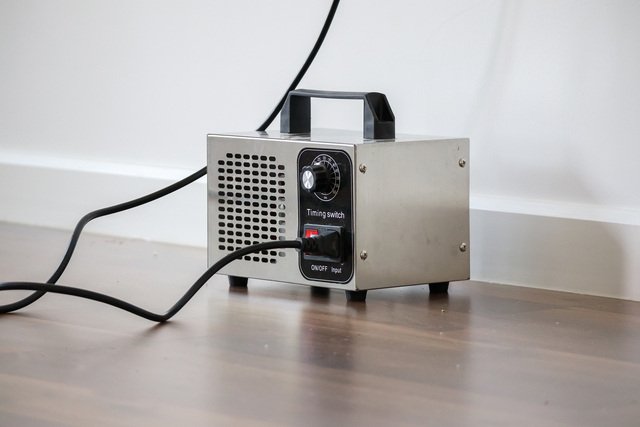
Ozone is one of the most powerful technologies available for odor removal. Unlike fragrance-based products that simply mask unpleasant smells, ozone works by oxidizing odor-causing molecules and breaking them down at the molecular level.
Ozone is particularly effective for treating smoke odors, fire damage, severe pet odors, food odors, mold odors, sulfur-based compounds, and waste-related odors.
However, ozone is not intended for continuous 24-hour use in occupied spaces. Instead, it is commonly applied as a short-term shock treatment for severe odor problems. During ozone treatment, people, pets, and plants should not remain in the treated area. Once the treatment is complete, the space should be thoroughly ventilated before being safely reoccupied.
What Is the Best Solution for Different Apartment Odors?
The right solution depends on where the smell comes from. Before using an odor absorber, air purifier, or professional treatment, identify and remove the source whenever possible.
| Type of Odor | Possible Source | What Should You Do First? | Additional Odor-Control Option |
|---|---|---|---|
| Cooking odor 🍳 | Cooking, a dirty range hood filter, grease, or odors entering from another apartment | Clean the kitchen, check the range hood filter, and improve ventilation | Use activated carbon filtration for remaining airborne odors |
| Sewage or rotten egg smell 🚿 | Dry drain trap, blocked drain, leaking pipe, or building sewage system | Run water into unused drains and ask building maintenance to inspect the plumbing | Filtration may reduce the airborne smell, but the sewage problem must be repaired |
| Pet odor 🐾 | Urine, litter boxes, bedding, carpets, or furniture | Clean the affected area and wash pet bedding regularly | Zeolite may help with ammonia-related odors, while activated carbon can reduce some airborne smells |
| Damp or musty smell 💧 | High humidity, water leakage, wet fabrics, or mold | Find and repair the moisture source, dry the area, and improve ventilation | Use a dehumidifier where necessary; filtration cannot replace mold or leak repair |
| Cigarette smoke 🚬 | Smoke particles and odor compounds trapped in walls, curtains, carpets, and furniture | Stop the smoke source and deep-clean contaminated surfaces and fabrics | Activated carbon filtration can help reduce remaining airborne smoke odors |
| Paint or renovation smell 🎨 | Paints, adhesives, new furniture, flooring, or other materials releasing VOCs | Increase ventilation and remove open containers or contaminated materials | Use a filter containing a meaningful amount of activated carbon designed for gaseous pollutants |
| Garbage odor 🗑️ | Food waste, dirty bins, leaking bags, or waste areas near the apartment | Remove the waste and thoroughly clean and dry the bin | Activated carbon can help control mild remaining odors |
| Odor from a corridor or neighboring apartment 🚪 | Air entering around doors, vents, exhaust systems, or service openings | Identify the entry point and report persistent building-related odors to management | Sealing unintended gaps and using appropriate air filtration may help reduce incoming odors |
Can an Air Purifier Remove Apartment Odors?
An air purifier can help only if it contains a suitable filter for the type of odor. A HEPA filter mainly captures airborne particles and cannot effectively remove most gaseous odor molecules by itself.
Activated carbon adsorbs many gaseous compounds associated with cooking, smoke, paint, and household odors. Its performance depends on the amount and quality of carbon, airflow, contact time, humidity, and filter condition. A thin carbon sheet may have limited capacity for persistent odors.
What Should You Do If the Apartment Odor Does Not Go Away?
If the odor remains after cleaning, removing visible sources, and improving ventilation, the problem may require a more detailed assessment.
The odor may be entering through the building’s ventilation system, corridor, plumbing, drains, garbage chute, or gaps around doors and service openings. It may also be trapped in carpets, furniture, walls, or other porous materials.
The next step depends on the source. It may involve plumbing or building maintenance, moisture inspection, deep cleaning, sealing an air leakage path, replacing a saturated filter, or installing an appropriate odor-control system.
For severe smoke, pet, food, or waste odors that remain after the source has been removed, a controlled ozone shock treatment may sometimes be considered. It must only be performed in an unoccupied space, followed by proper ventilation before re-entry. Ozone should not be used continuously in an occupied apartment.
Conclusion
Persistent apartment odors are often caused by gases, microorganisms, moisture, and chemical compounds that ordinary cleaning products cannot completely remove. While proper housekeeping and ventilation are essential, they may not be enough to eliminate long-term odor problems.
Modern odor control requires understanding the source of the odor and selecting the most appropriate technology. Solutions such as zeolite, activated carbon, UV-C, Photocatalytic Oxidation (PCO), hydroxyl generators, and ozone treatment each play a unique role in improving indoor air quality and reducing unwanted odors.
No single technology is the perfect solution for every situation. The most effective odor control systems combine multiple technologies to address different contaminants and provide long-lasting results.
To learn more about these technologies, explore our articles on Activated Carbon, Zeolite, PCO Technology, UV-C Air Treatment, Hydroxyl Generators, Ozone Technology, and Integrated Odor Control Systems, or contact our team to find the best odor control solution for your environment.