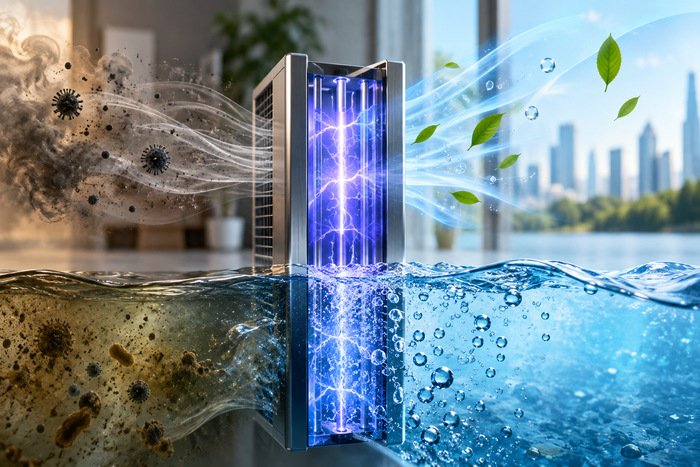
Many people assume that every air purifier can remove unpleasant odors. After all, if a device is designed to clean the air, it should also eliminate bad smells, right?
The reality is more complex. While many air purifiers are highly effective at removing dust, pollen, and airborne particles, not all of them are designed to remove odor-causing gases and chemical compounds. Understanding the difference between air purification and odor removal can help consumers choose the right solution for their homes or businesses.

Understanding the Difference Between Air Purification and Odor Removal
Air pollution exists in many forms. Some contaminants are solid particles, while others are gases or airborne chemicals.
Common airborne particles include:
- Dust
- Pollen
- Pet dander
- Mold spores
- Fine particulate matter (PM2.5)
Odors, however, are usually caused by gases and volatile chemical compounds rather than particles. This is why a system that removes particles may not necessarily eliminate odors.
To effectively control odors, an air treatment system must target the compounds responsible for the smell.
What Causes Unpleasant Odors?
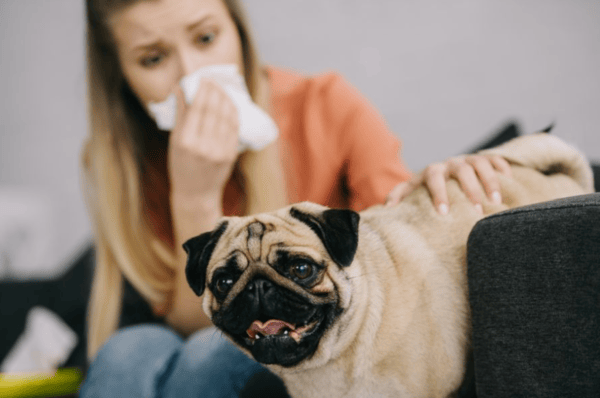
Many unpleasant odors originate from specific chemical compounds released into the air.
Volatile Organic Compounds (VOCs)
VOCs are emitted by paints, cleaning products, furniture, adhesives, carpets, smoke, and many industrial materials. Certain VOCs can produce noticeable odors and contribute to poor indoor air quality.
Hydrogen Sulfide (H₂S)
Hydrogen sulfide is commonly associated with the smell of rotten eggs. It is often found in wastewater systems, drains, sewage networks, and waste handling facilities.
Mercaptans
Mercaptans are sulfur-containing compounds responsible for some of the strongest odors found in nature. They are often associated with garbage rooms, wastewater facilities, food waste, and natural gas systems.
Ammonia
Ammonia is commonly produced from urine, animal waste, and certain industrial activities. Pet facilities, farms, and waste management operations often experience ammonia-related odor issues.
Because these compounds are gases rather than particles, they require specialized treatment technologies.
Do HEPA Filters Remove Odors?
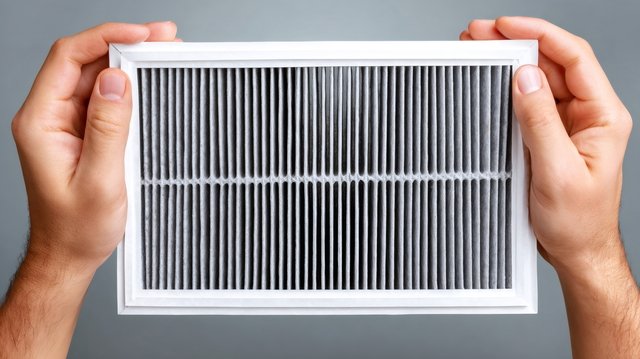
HEPA filters are among the most popular air filtration technologies available today. They are extremely effective at capturing airborne particles such as dust, pollen, pet dander, and some microorganisms.
However, HEPA filters are not designed to remove gases or odor-causing compounds.
This means that while a HEPA-equipped air purifier may improve air cleanliness, it may have little effect on odors caused by VOCs, hydrogen sulfide, mercaptans, ammonia, smoke, or cooking emissions.
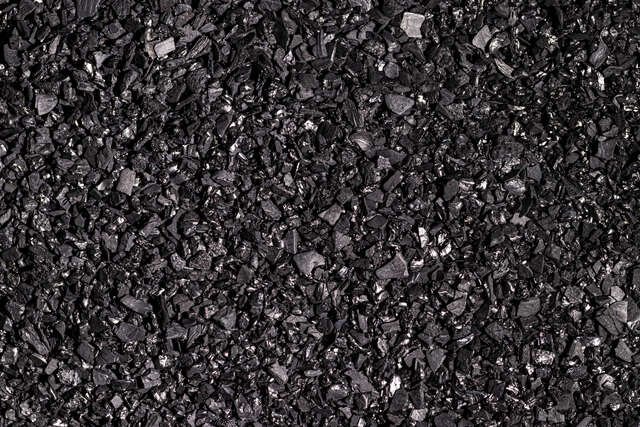
Activated Carbon and Odor Control
Activated carbon is one of the most widely used technologies for odor control.
Unlike HEPA filters, activated carbon can adsorb many gases and chemical compounds responsible for odors. Carbon filters are commonly used to reduce:
- Cooking odors
- Smoke odors
- VOCs
- Certain sulfur compounds
For many residential and commercial applications, activated carbon is an important component of an effective odor-control system.
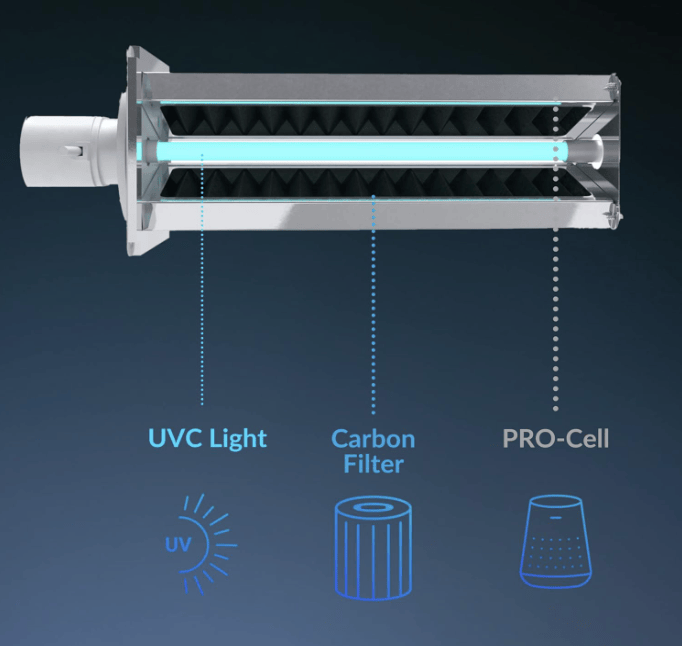
Can UV-C Technology Remove Odors?
UV-C technology is primarily used to reduce bacteria, mold, viruses, and other microorganisms.
While UV-C can help address biological sources of odor, it does not directly remove most odor-causing gases. Its primary role is microbial control rather than gas-phase odor treatment.
However, UV-C can be highly effective when combined with other air treatment technologies.
PCO Technology and VOC Reduction
Photocatalytic Oxidation (PCO) combines UV light with a catalyst surface, typically titanium dioxide (TiO₂).
When activated, the catalyst generates highly reactive compounds that help break down VOCs and certain odor-causing gases at the molecular level. Depending on the system design and operating conditions, PCO technology can help reduce odors associated with volatile organic compounds (VOCs), hydrogen sulfide (H₂S), ammonia (NH₃), and other airborne contaminants.
For this reason, PCO technology is increasingly used in commercial buildings, healthcare facilities, restaurants, waste handling areas, and advanced air purification systems where both odor reduction and air cleaning are required.
Hydroxyl Generators and Air Treatment
Hydroxyl generators produce hydroxyl radicals that react with airborne contaminants and odor-causing compounds.
This technology is commonly used in occupied spaces because it can help reduce odors, VOCs, and certain biological contaminants while improving overall indoor air quality.
Hotels, offices, healthcare facilities, and commercial buildings often use hydroxyl technology as part of a broader odor-management strategy.
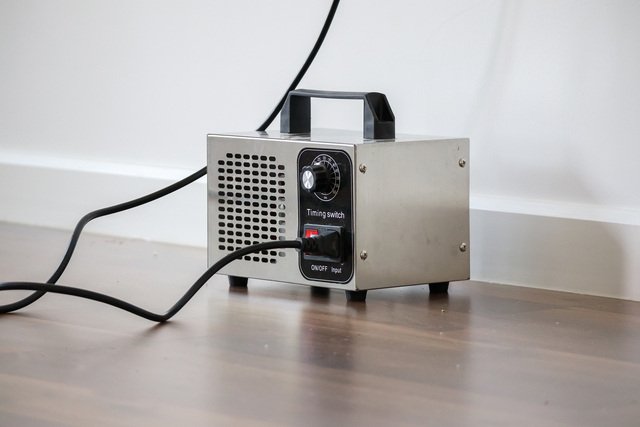
Ozone Technology for Odor Removal
Ozone is one of the most powerful odor-control technologies available.
Unlike fragrance-based products that simply mask smells, ozone works by oxidizing odor-causing molecules and helping break them down. Ozone can be particularly effective against:
- Smoke odors
- Fire damage odors
- Food odors
- Pet odors
- Sulfur-based odors
- Waste-related odors
Because ozone targets the source of the odor at the molecular level, it is widely used in professional odor treatment applications.
However, ozone is not typically used as a 24-hour odor control solution in occupied spaces. Instead, it is often applied as a short-term shock treatment for severe odor problems, allowing it to react with odor-causing compounds before the area is ventilated and returned to normal use
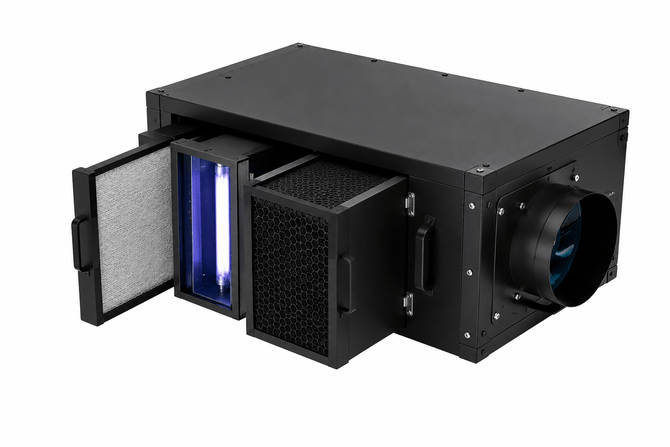
Which Technology Is Best for Odor Control?
The answer depends on the type of contaminants present.
If the goal is particle removal, HEPA filtration may be sufficient. If the objective is odor control, technologies such as activated carbon, PCO, hydroxyl generation, and ozone treatment are often more effective.
Many modern air treatment systems combine multiple technologies to address both particles and odor-causing compounds simultaneously.
Conclusion
Not every air purifier is designed to remove odors. While many systems excel at capturing airborne particles, odor control requires technologies capable of targeting gases, VOCs, and odor-causing compounds.
Understanding the strengths of HEPA filtration, activated carbon, UV-C, PCO, hydroxyl generators, and ozone treatment can help consumers and businesses select the most appropriate solution for their specific air quality and odor-control needs.
For environments where persistent odors are a concern, choosing the right technology can make the difference between simply cleaning the air and truly eliminating unwanted smells.