Activated carbon is one of the most widely used filtration materials in the world. From drinking water treatment and air purification to industrial gas filtration and odor control, activated carbon plays a critical role in removing contaminants and improving environmental quality.
Its exceptional adsorption capacity makes it an essential component in modern filtration systems used in homes, hospitals, restaurants, wastewater treatment plants, laboratories, and industrial facilities. Understanding how activated carbon works can help businesses and consumers select the right solution for cleaner air and safer water.
What Is Activated Carbon?
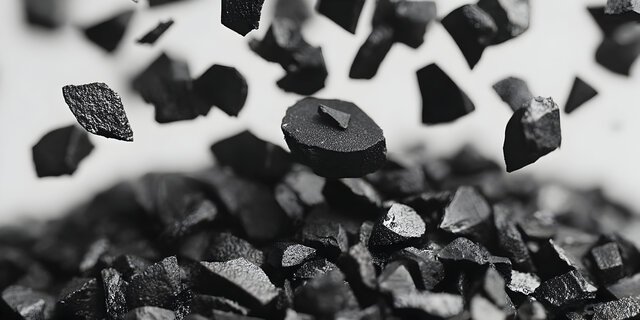
Activated carbon, also known as activated charcoal, is a highly porous form of carbon that has been specially processed to create millions of microscopic pores on its surface. These pores dramatically increase its surface area, allowing it to capture and hold contaminants through a process known as adsorption.
Unlike absorption, where substances penetrate into a material, adsorption occurs when molecules attach to the surface of the activated carbon. In fact, just one gram of activated carbon can have a surface area of more than 1,000 square meters, making it one of the most effective adsorbent materials available.
How Is Activated Carbon Made?
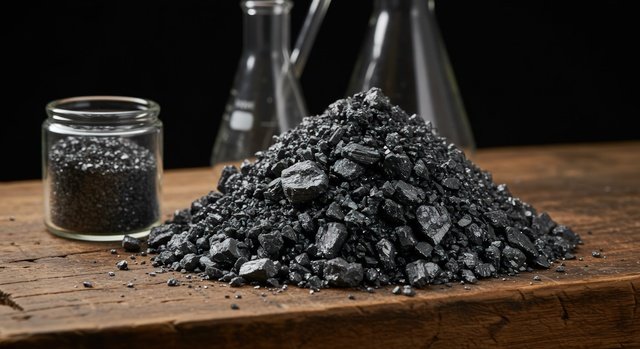
Activated carbon is produced from carbon-rich materials such as:
- Coconut shells
- Coal
- Wood
- Peat
- Bamboo
These raw materials are heated under controlled conditions and then activated using steam or chemical treatments. The activation process creates an extensive network of microscopic pores that significantly increase the material’s adsorption capacity.
Different raw materials produce different pore structures, making certain activated carbons better suited for specific applications.
Types of Activated Carbon
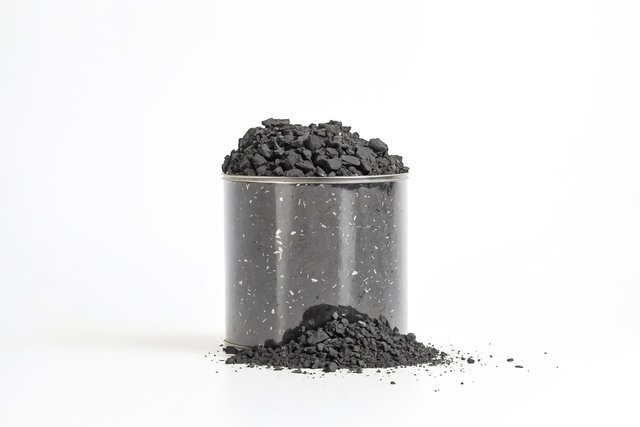
Activated carbon is available in several forms depending on the application.
Granular Activated Carbon (GAC)
Granular Activated Carbon consists of irregular granules and is widely used in water treatment plants, air purification systems, and industrial filtration equipment. It offers excellent adsorption capacity with relatively low airflow resistance.
Powdered Activated Carbon (PAC)
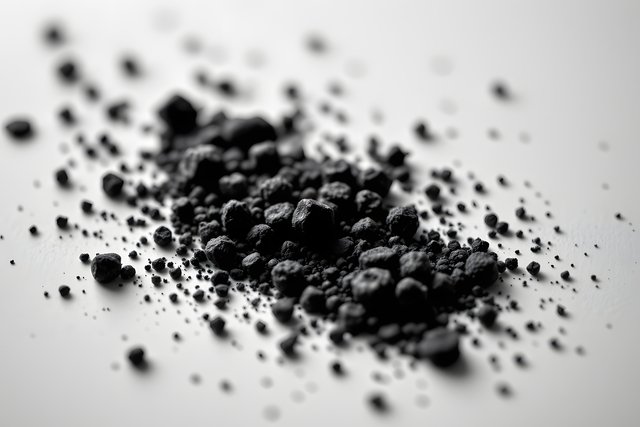
Powdered Activated Carbon has a very fine particle size and is commonly used in water treatment processes where rapid adsorption is required.
Pelletized Activated Carbon
Pelletized Activated Carbon is manufactured in cylindrical pellets. It is commonly used in air purification systems, odor control units, and gas treatment applications because it provides good airflow while maintaining high adsorption efficiency.
Impregnated Activated Carbon
Impregnated activated carbon is treated with chemicals such as potassium permanganate, potassium iodide, or other specialized compounds to improve its ability to remove specific gases.
This type of carbon is particularly effective for controlling:
- Hydrogen sulfide (H₂S)
- Ammonia (NH₃)
- Mercaptans
- Acid gases
- Certain industrial pollutants
For odor control applications, impregnated activated carbon is often preferred over standard activated carbon because it can target sulfur-containing compounds more effectively.
How Does Activated Carbon Purify Air?
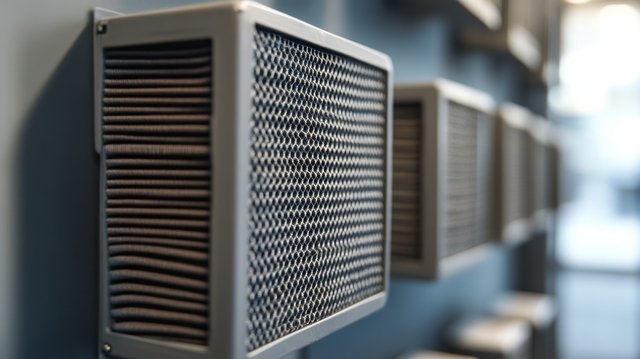
Activated carbon removes contaminants through adsorption. As contaminated air passes through the filter, odor-causing gases and chemical molecules become trapped within the carbon’s microscopic pores.
Activated carbon is highly effective at reducing:
- Volatile Organic Compounds (VOCs)
- Smoke odors
- Cooking odors
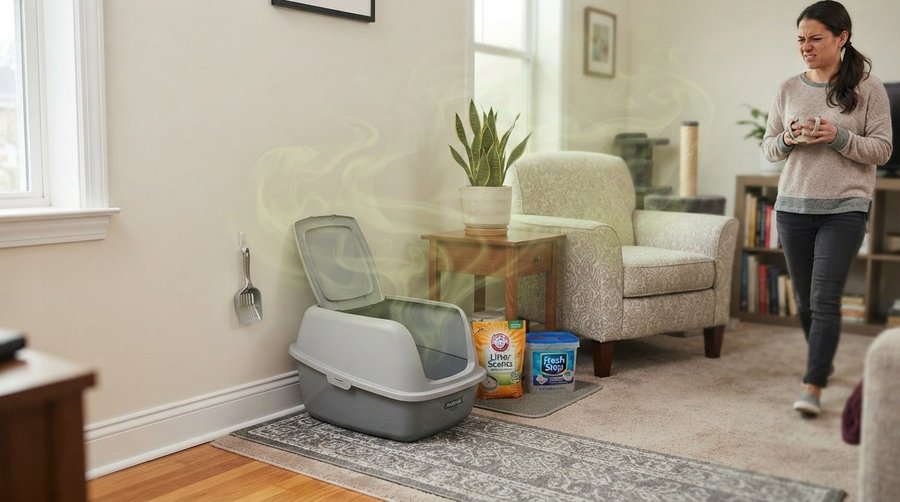
- Pet odors
- Chemical fumes
- Many sulfur-containing odor compounds

For this reason, activated carbon is widely used in:
- Air purifiers
- Commercial kitchens
- Restaurants
- Hospitals
- Laboratories
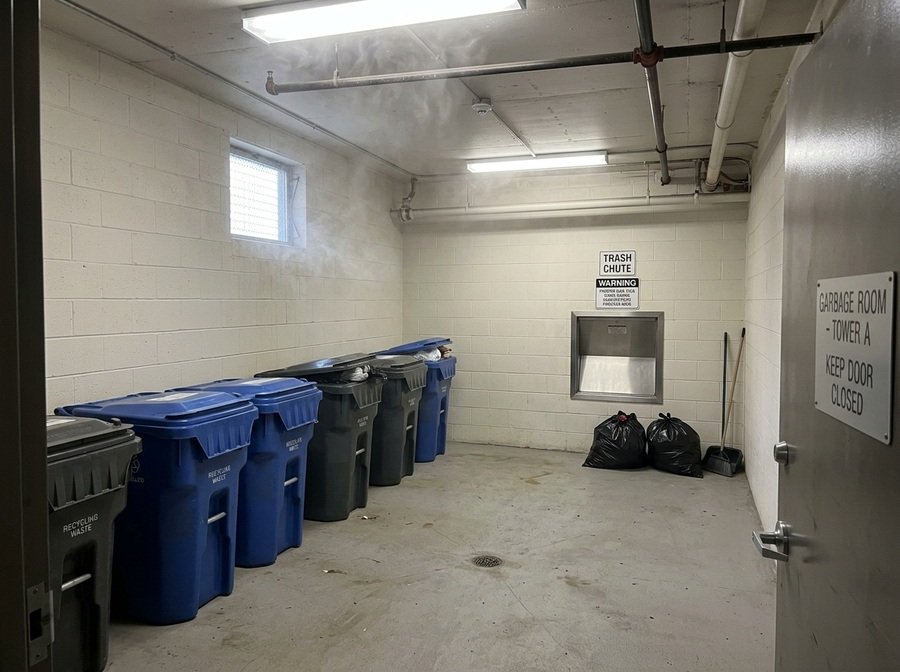
- Waste rooms
- Industrial odor control systems
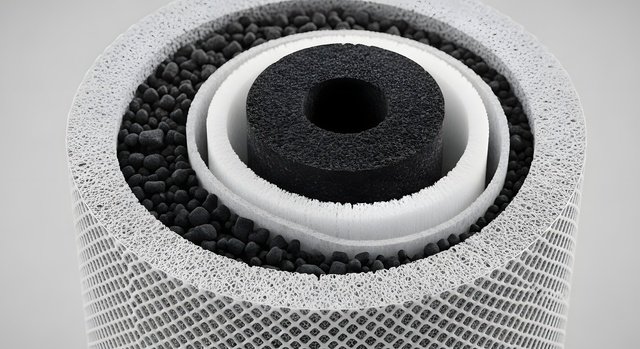
How Does Activated Carbon Purify Water?
Activated carbon is also widely used in water treatment.
As water flows through the carbon media, many dissolved organic compounds are adsorbed onto its surface, improving water quality and taste.
Activated carbon can help remove:
- Chlorine
- Taste and odor compounds
- Organic contaminants
- Many pesticides
- Industrial chemicals
- Some pharmaceutical residues
However, activated carbon does not effectively remove dissolved salts, heavy metals, or microorganisms on its own. For complete water treatment, it is often combined with technologies such as reverse osmosis (RO), ultraviolet (UV) disinfection, ozone treatment, or nanofiltration.
Advantages of Activated Carbon
Activated carbon offers several important benefits:
- High adsorption capacity
- Effective odor removal
- Improved indoor air quality
- Better tasting drinking water
- Wide range of industrial applications
- Relatively low operating cost
- Environmentally friendly filtration material
Because of its versatility, activated carbon remains one of the most widely used filtration materials in environmental engineering.
Is Activated Carbon Enough for Every Application?
Although activated carbon is highly effective, it is not a universal solution.
Some contaminants require additional treatment technologies. Modern air purification systems often combine activated carbon with UV-C, Photocatalytic Oxidation (PCO), hydroxyl generators, or ozone treatment to improve overall performance and address a broader range of airborne pollutants.
Similarly, advanced water treatment systems may combine activated carbon with UV, ozone, reverse osmosis, or membrane filtration depending on the quality of the source water.
Conclusion
Activated carbon is one of the most important filtration materials used in modern air and water treatment systems. Its unique porous structure enables it to adsorb a wide range of gases, odors, and organic contaminants, making it an effective solution for improving indoor air quality and drinking water quality.
Available in granular, powdered, pelletized, and impregnated forms, activated carbon can be tailored to meet different filtration requirements. While it performs exceptionally well in many applications, combining activated carbon with complementary technologies such as UV-C, PCO, hydroxyl generation, or ozone treatment often provides the most effective solution for comprehensive air purification and odor control.