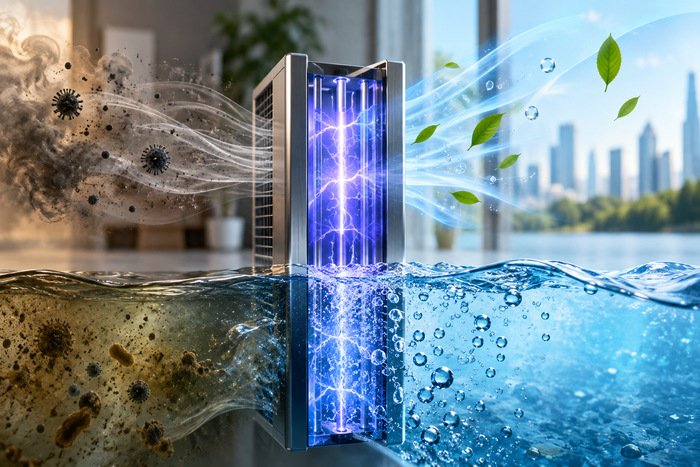
Unpleasant odors are a common challenge in homes, restaurants, hotels, gyms, pet facilities, waste rooms, and industrial environments. While many people associate bad smells with poor cleanliness, odors are often caused by specific chemical compounds released into the air from biological, environmental, or industrial processes.
Understanding the source of an odor is the first step toward selecting the most effective odor control solution. Different odors require different treatment approaches, and simply masking smells with fragrances is rarely a long-term solution.
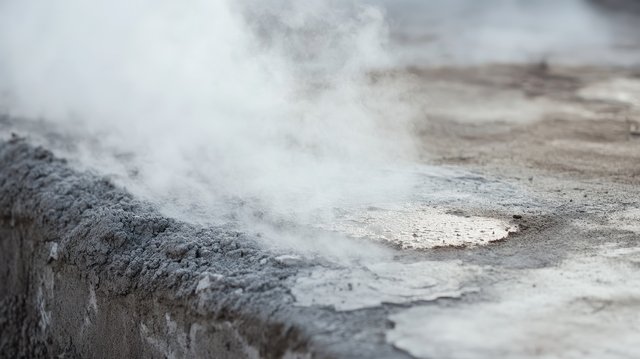
Sulfur Odors
Sulfur-based odors are among the strongest and most recognizable unpleasant smells. They are often described as smelling like rotten eggs, sewage, decaying vegetables, or skunk spray.
Common sources include:
- Wastewater systems
- Sewage networks
- Garbage rooms
- Organic waste
- Grease traps
- Food processing facilities
These odors are commonly associated with compounds such as hydrogen sulfide and mercaptans. Because sulfur compounds can be detected at extremely low concentrations, they often require specialized odor-control technologies such as activated carbon filtration, ozone treatment, or chemical scrubbing systems.
Food and Cooking Odors
Cooking odors are one of the most common indoor air quality challenges. Restaurants, commercial kitchens, and even residential kitchens can generate persistent odors from cooking oils, grease, spices, smoke, and food residues.
Sources include:
- Frying operations
- Grilling
- Food preparation
- Grease accumulation
- Food waste
Proper ventilation, filtration systems, and regular cleaning are essential for controlling kitchen odors and maintaining a comfortable environment.
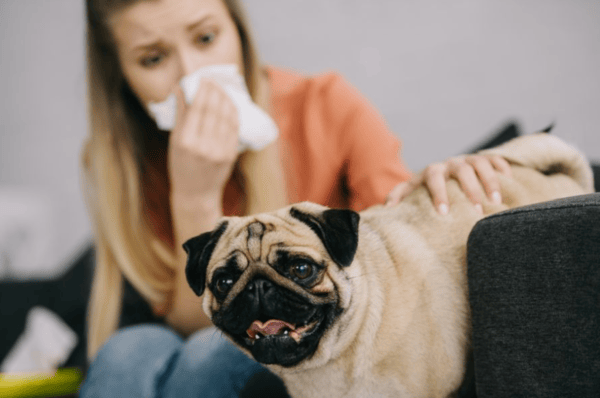
Pet Odors
Pet-related odors are commonly found in homes, pet grooming centers, veterinary clinics, kennels, and animal care facilities.
Common sources include:
- Animal waste
- Moisture accumulation
- Pet bedding
- Organic debris
If not properly managed, pet odors can affect indoor air quality and create discomfort for visitors and staff. Effective cleaning procedures, ventilation, and odor treatment technologies can help reduce these problems.
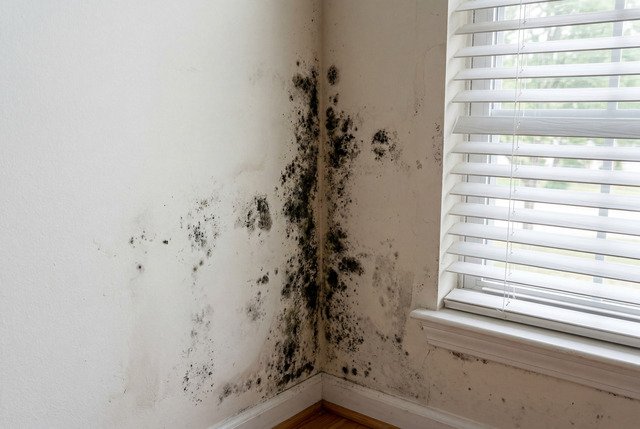
Mold and Mildew Odors
A musty smell is often a sign of moisture problems and microbial growth. Mold and mildew thrive in damp environments and can produce persistent odors that spread throughout a building.
Common sources include:
- Water leaks
- High humidity
- Poor ventilation
- Damp storage areas
- Air conditioning systems
Addressing the moisture source is essential. Without solving the underlying problem, odor treatment alone may provide only temporary relief.

Garbage and Waste Odors
Waste rooms and garbage storage areas are frequent sources of unpleasant smells. As organic materials decompose, bacteria break down waste and release odor-causing compounds into the air.
Common sources include:
- Food waste
- Organic waste
- Recycling areas
- Waste collection rooms
Regular cleaning, proper waste management, ventilation, and odor-control systems can significantly improve air quality in these areas.
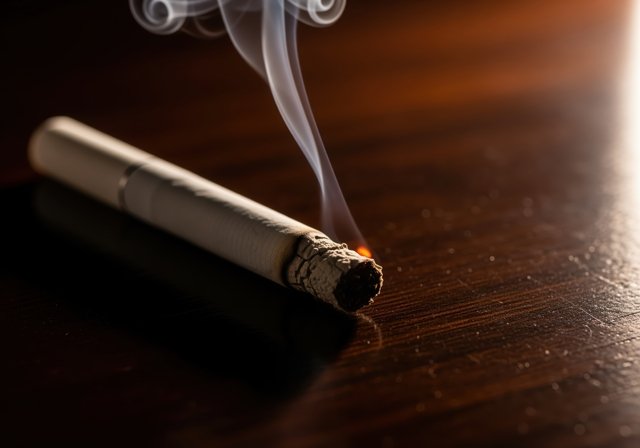
Smoke Odors
Smoke odors can be particularly difficult to remove because odor-causing particles often penetrate walls, furniture, carpets, and ventilation systems.
Sources include:
- Tobacco smoke
- Fire damage
- Cooking smoke
- Industrial emissions
Complete odor removal usually requires more than surface cleaning and often involves advanced air treatment technologies.
Why Masking Odors Is Not Enough
Many products attempt to solve odor problems by covering unpleasant smells with fragrances. While this approach may temporarily improve the atmosphere, it does not remove the source of the odor.
In most cases, bacteria continue to grow, waste continues to decompose, and odor-causing compounds remain present. Once the fragrance fades, the unpleasant smell often returns.
Effective odor control focuses on identifying and eliminating the source of contamination rather than masking it.

Modern Odor Control Technologies
Several technologies are commonly used to manage odors:
Activated Carbon Filtration
Activated carbon is widely used for odor control because of its ability to adsorb many odor-causing compounds, including VOCs and certain sulfur compounds. Specialized impregnated carbon filters can also be used to target gases such as hydrogen sulfide and ammonia.
UV-C and Photocatalytic Oxidation (PCO)
UV-C systems are commonly used to reduce microorganisms that contribute to odor formation. When combined with photocatalytic oxidation (PCO), UV light activates a catalyst surface that helps break down VOCs and certain odor-causing compounds, improving indoor air quality.
Ozone Treatment
Ozone can help oxidize and break down many odor-causing compounds at the molecular level, making it one of the most effective technologies for odor treatment applications.
Hydroxyl Generators
Hydroxyl generators produce hydroxyl radicals that react with odor-causing compounds, VOCs, bacteria, and certain airborne contaminants.
Chemical Scrubbers
Chemical scrubbers are commonly used in industrial facilities, wastewater treatment plants, pumping stations, and waste management operations.
Conclusion
Unpleasant odors can originate from many different sources, including sulfur compounds, food preparation, pets, mold, waste, and smoke. Because each odor type has a different source and chemical composition, successful odor control requires understanding the cause of the problem before selecting a treatment method.
Modern odor control solutions focus on eliminating odor-causing compounds rather than simply masking them. By combining proper hygiene, ventilation, filtration, and advanced technologies such as ozone treatment, businesses and homeowners can create cleaner, fresher, and more comfortable environments.