Activated carbon is one of the world’s most widely used filtration materials for air purification, water treatment, and odor control. Thanks to its exceptional adsorption capacity, it is used in homes, commercial buildings, hospitals, restaurants, laboratories, factories, and water treatment facilities to remove unwanted contaminants from both air and water.
Although activated carbon has been used for decades, many people still believe that all activated carbon is the same. In reality, different types of activated carbon are manufactured for different applications, and selecting the right carbon media plays a major role in filtration performance.
Whether the goal is removing cooking odors, improving indoor air quality, treating drinking water, or controlling industrial emissions, understanding how activated carbon works is the first step toward choosing the right filtration solution.
What Is Activated Carbon?
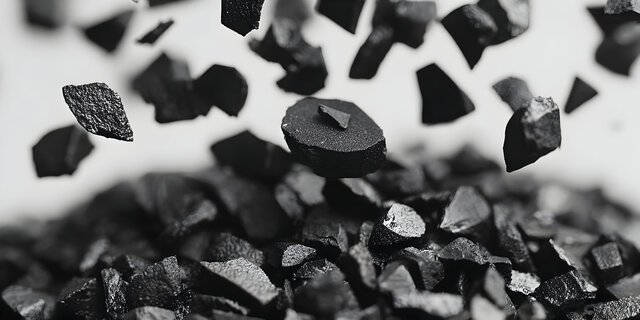
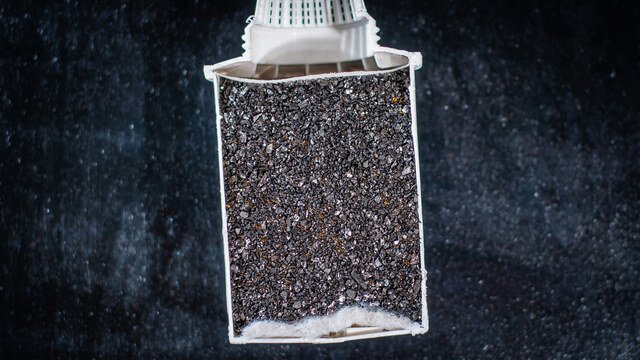
Activated carbon is a specially processed form of carbon that contains millions of microscopic pores. These tiny pores create an enormous internal surface area where gases, odors, and organic molecules can be trapped through a process known as adsorption.
Unlike ordinary charcoal, activated carbon undergoes a controlled activation process that dramatically increases its porosity and adsorption capacity.
Depending on the manufacturing process and raw material, one gram of activated carbon can have a surface area exceeding 1,000 square meters, making it one of the most efficient adsorbent materials available today.
Adsorption vs. Absorption
Although these terms sound similar, they describe two different processes.
Absorption occurs when a substance penetrates into another material, much like water being absorbed by a sponge.
Adsorption, however, occurs when molecules attach to the surface of a material.
Activated carbon works through adsorption. As contaminated air or water passes through the carbon, pollutants attach to the enormous internal surface created by its microscopic pores.
This unique property allows activated carbon to remove many gases, odors, VOCs, and organic contaminants effectively.
How Is Activated Carbon Made?
Activated carbon is manufactured from carbon-rich natural materials.
Common raw materials include:
- Coconut shells
- Coal
- Wood
- Bamboo
- Peat
These materials are first carbonized at high temperatures before being activated using steam, carbon dioxide, or chemical treatments. The activation process creates millions of microscopic pores throughout the carbon structure, giving activated carbon its exceptional adsorption capacity.
Different raw materials produce different pore structures. As a result, some activated carbons perform better for air purification, while others are better suited for water treatment or specialized industrial applications.
Types of Activated Carbon
Activated carbon is available in several forms, each designed for specific filtration requirements.
Granular Activated Carbon (GAC)
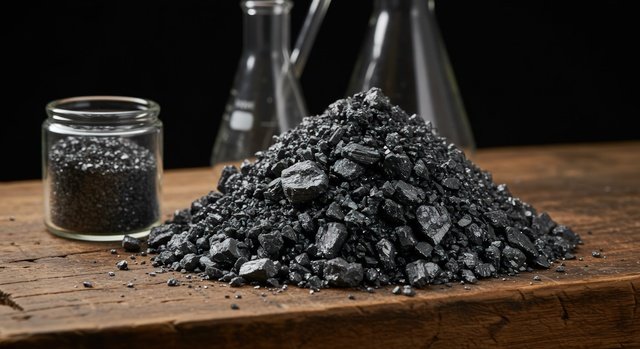
Granular Activated Carbon consists of loose carbon granules and is one of the most commonly used forms for water treatment, industrial air filtration, odor control systems, and wastewater treatment.
Because of its excellent flow characteristics, GAC performs well in both air and water filtration applications.
Pelletized Activated Carbon
Pelletized activated carbon is manufactured into small cylindrical pellets.
Its uniform shape reduces airflow resistance, making it an excellent choice for HVAC systems, commercial air purifiers, odor control units, and industrial air filtration equipment.
Powdered Activated Carbon (PAC)
Powdered Activated Carbon consists of extremely fine particles that provide rapid adsorption.
It is widely used in municipal drinking water treatment, wastewater treatment, pharmaceutical production, and industrial processes where contaminants must be removed quickly.
Extruded Activated Carbon (EAC)
Extruded activated carbon combines high mechanical strength with low pressure drop.
It is commonly used in industrial gas purification systems, solvent recovery, and VOC removal applications.
Impregnated Activated Carbon
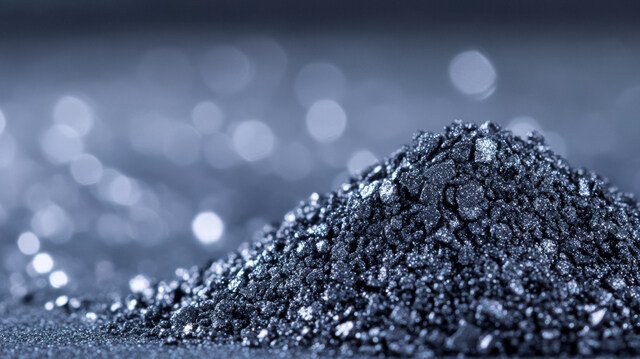
Impregnated activated carbon contains additional chemicals that improve its ability to remove specific gases.
Depending on the chemical treatment, impregnated activated carbon can effectively remove:
- Hydrogen sulfide (H₂S)
- Ammonia (NH₃)
- Mercaptans
- Formaldehyde
- Acid gases
Because different contaminants require different chemical reactions, various impregnated carbons are available for different industries.
Catalytic Activated Carbon
Catalytic activated carbon is specially processed to accelerate chemical reactions on its surface.
It is commonly used for hydrogen sulfide removal, chloramine reduction, ozone decomposition, and specialized industrial gas treatment.
Properties of Activated Carbon
Activated carbon has several unique properties that make it one of the most effective filtration materials available.
Its key characteristics include:
- Extremely high internal surface area
- Highly porous structure
- Excellent adsorption capacity
- Effective removal of odors and VOCs
- High chemical stability
- Long operational life
- Suitable for both air and water purification
- Available in multiple particle sizes and media types
- Environmentally friendly and recyclable in certain industrial applications
These properties have made activated carbon one of the most important filtration materials used worldwide.
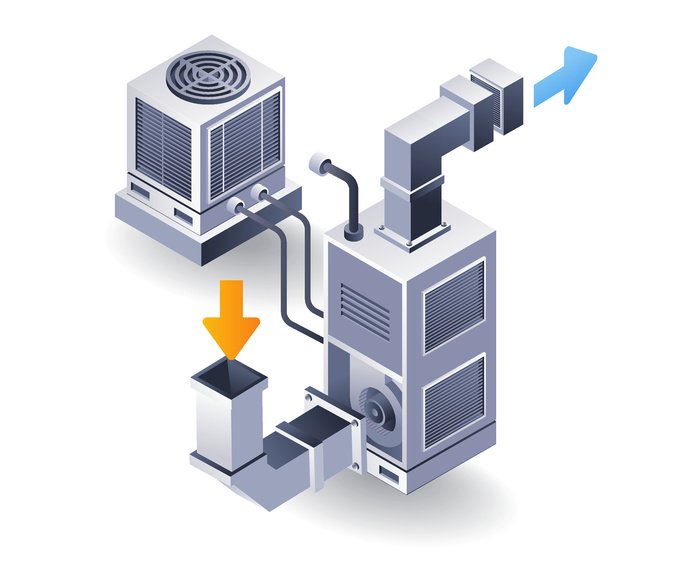
Applications of Activated Carbon
Activated carbon is used across a wide range of residential, commercial, and industrial applications.
Common applications include:
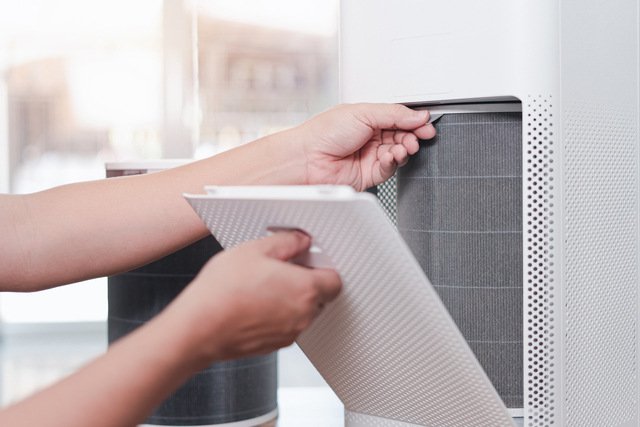
- Residential air purifiers
- Commercial HVAC systems
- Office buildings
- Restaurants and commercial kitchens
- Hotels
- Hospitals
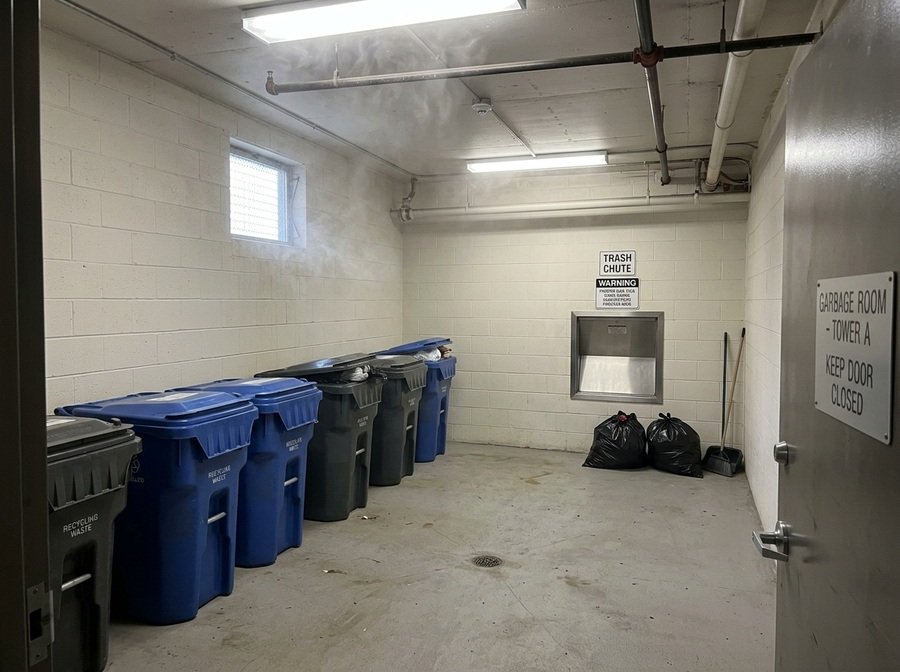
- Garbage and waste rooms
- Drinking water filtration
- Municipal water treatment
- Wastewater treatment
- Food processing facilities
- Pharmaceutical manufacturing
- Chemical industries
- Industrial air pollution control
- Laboratories
- Solvent recovery systems
Its versatility allows activated carbon to improve both indoor air quality and water quality in countless environments.
Choosing the Right Activated Carbon
Different applications require different activated carbon media.
| Application | Recommended Activated Carbon |
|---|---|
| Home air purification | Coconut Shell Activated Carbon |
| Office buildings | Pelletized Activated Carbon |
| Restaurants | Pelletized Activated Carbon |
| Commercial kitchens | Pelletized Activated Carbon |
| Water filtration | Granular Activated Carbon (GAC) |
| Wastewater treatment | Granular Activated Carbon (GAC) |
| VOC removal | Coconut Shell Activated Carbon |
| Hydrogen sulfide (H₂S) | Impregnated Activated Carbon |
| Ammonia (NH₃) | Impregnated Activated Carbon |
| Mercaptans | Impregnated Activated Carbon |
| Industrial chemical gases | Catalytic or Specialized Activated Carbon |
Selecting the correct activated carbon is just as important as selecting activated carbon itself. The type of contaminant, airflow or water flow, humidity, and operating conditions all influence filtration performance.
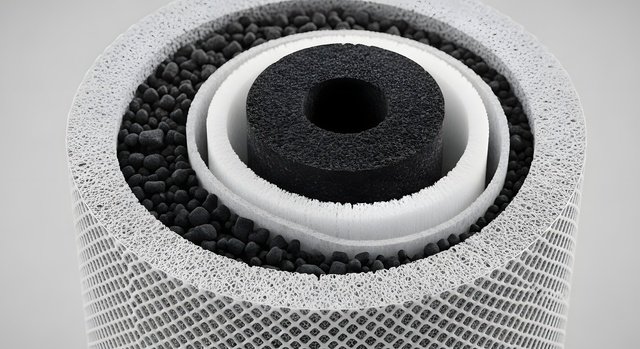
Advantages of Activated Carbon
Activated carbon offers numerous benefits for air and water purification.
Its major advantages include:
- Excellent odor removal performance
- High VOC adsorption capacity
- Improved indoor air quality
- Better taste and quality of drinking water
- Reliable and proven technology
- Low maintenance requirements
- Long service life
- Suitable for a wide variety of applications
- Available in different media for different contaminants
- Environmentally friendly operation
These advantages make activated carbon one of the most widely used filtration technologies in the world.
Limitations of Activated Carbon
Although activated carbon is highly effective, it is not a universal solution.
Some limitations include:
- It does not remove dust or airborne particles without a particulate filter such as HEPA.
- It does not kill bacteria, viruses, or other microorganisms.
- Its adsorption capacity gradually decreases as the carbon becomes saturated.
- Different contaminants require different carbon media.
- Some gases require impregnated or catalytic activated carbon instead of standard carbon.
For these reasons, activated carbon is often combined with other air purification technologies in advanced filtration systems.
Specialized Applications of Activated Carbon
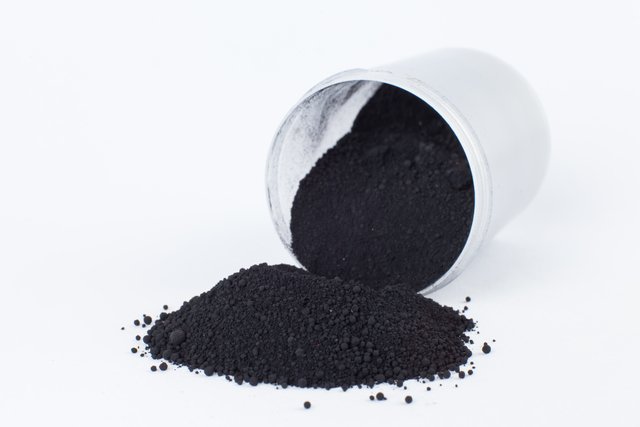
Beyond common air and water filtration, activated carbon is used in many specialized applications where specific odors, gases, or contaminants must be controlled. The correct carbon type depends on the contaminant, concentration, humidity, airflow, contact time, and operating environment.
Specialized activated carbon applications include hydrogen sulfide and mercaptan control in sewage and waste facilities, ammonia removal in livestock and industrial environments, VOC control in paint rooms and laboratories, solvent recovery, biogas purification, food-processing odor control, and gas-phase filtration in commercial HVAC systems.
Standard activated carbon may not effectively remove every contaminant. Impregnated or catalytic activated carbon is often required for reactive gases such as hydrogen sulfide, ammonia, formaldehyde, and acid gases.
Conclusion
Activated carbon remains one of the world’s most important filtration materials for air purification, water treatment, and odor control. Its enormous internal surface area, highly porous structure, and exceptional adsorption capacity allow it to remove a wide range of odors, VOCs, and organic contaminants from both air and water.
However, selecting the right activated carbon is just as important as choosing activated carbon itself. Different applications require different carbon media, and understanding these differences helps achieve better filtration performance, longer filter life, and more effective contaminant removal.
As environmental awareness and indoor air quality standards continue to grow, activated carbon will remain a key technology for creating cleaner air, safer water, and healthier indoor environments.