Activated carbon is widely recognized as one of the most effective filtration materials for odor removal. It is used in residential air purifiers, commercial buildings, restaurants, hospitals, industrial facilities, and HVAC systems to improve indoor air quality by removing odor-causing gases and volatile organic compounds (VOCs).
However, many people assume that simply placing activated carbon anywhere in a room is enough to eliminate unpleasant odors. In reality, the performance of activated carbon depends on much more than the amount of carbon inside a filter. Airflow, contact time, filter design, carbon type, and the nature of the contaminants all play critical roles in determining how effectively odors are removed.
Understanding these engineering principles helps explain why professional activated carbon filtration systems significantly outperform passive odor absorbers.
If you’re new to activated carbon, we recommend reading our Complete Guide to Activated Carbon to learn about its properties, types, manufacturing process, and common applications before exploring how it removes odors.
How Activated Carbon Removes Odors
Activated carbon removes odors through a process known as adsorption.
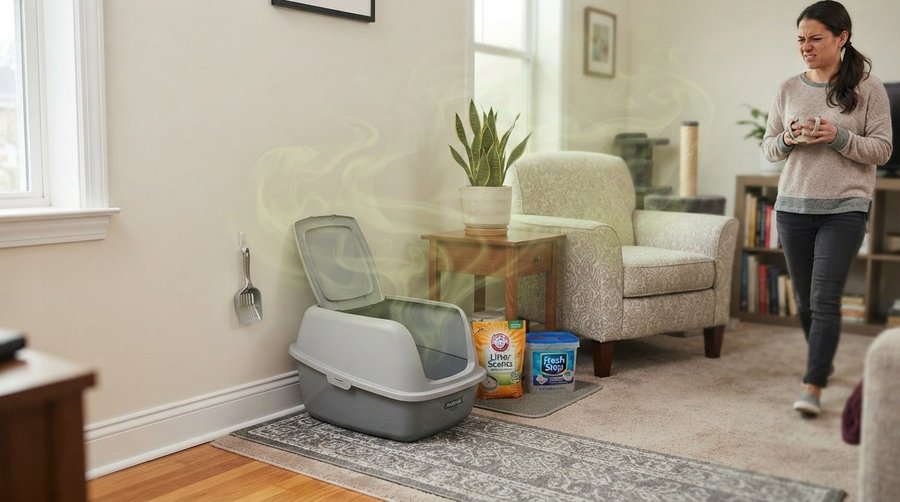
Unlike air fresheners that simply cover unpleasant smells with fragrances, activated carbon captures odor-causing molecules on the surface of its microscopic pores.
As contaminated air passes through the filter, odor molecules, VOCs, smoke compounds, and other organic gases become attached to the enormous internal surface area of the activated carbon. This process removes the source of the odor rather than masking it.
Because activated carbon physically traps contaminants, it provides a long-term solution for improving indoor air quality.

Why Airflow Is Essential
One of the biggest misconceptions about activated carbon is that it works simply by existing inside a room.
In reality, activated carbon can only remove contaminants that actually come into contact with its surface.
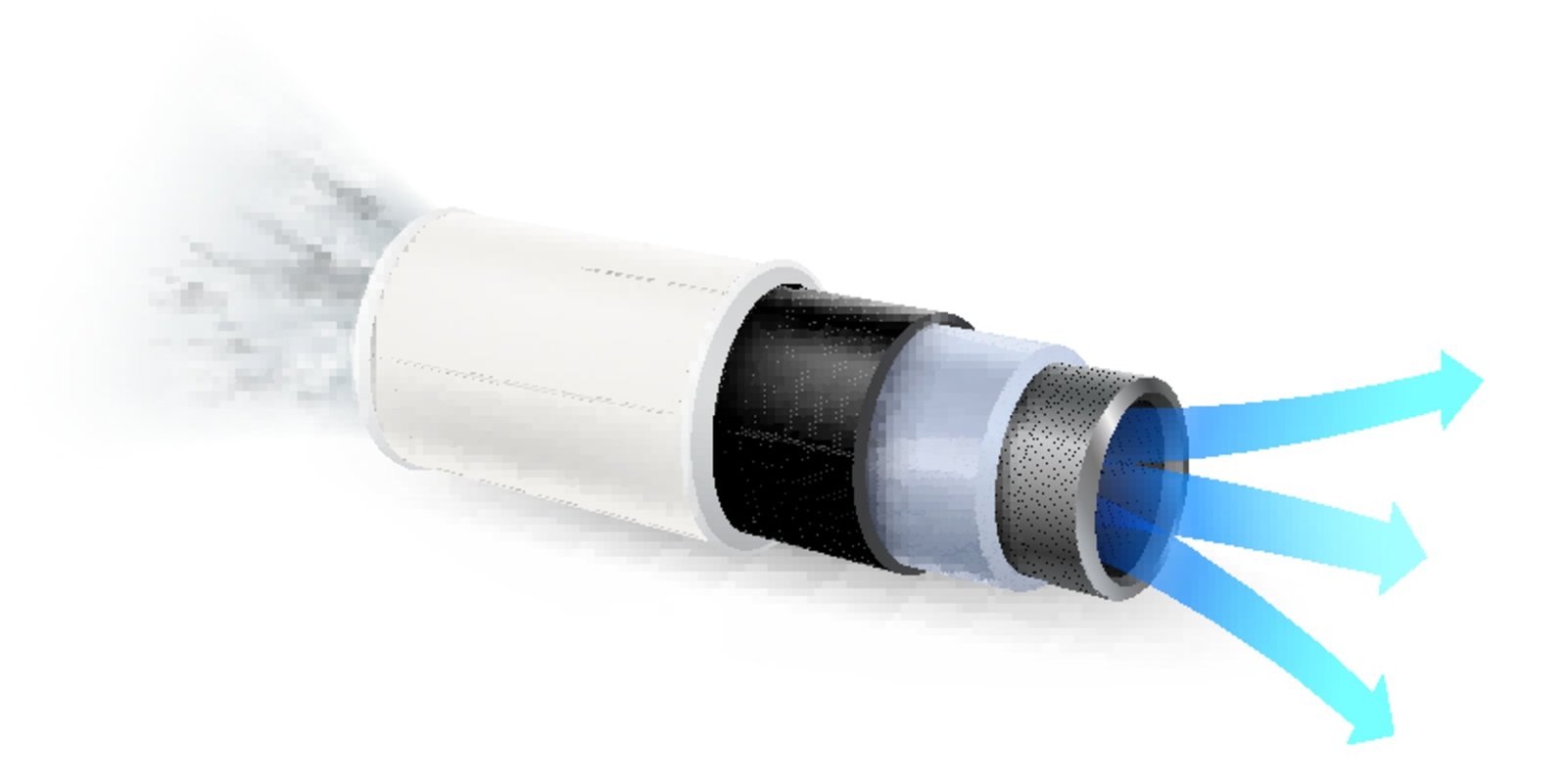
Professional odor control systems continuously pull contaminated air through the carbon filter using a fan. This forced airflow allows a large volume of air to pass through the carbon media every hour, significantly increasing odor removal efficiency.
Without airflow, only a small amount of air naturally reaches the carbon surface, making the adsorption process much slower and less effective.
Contact Time Determines Performance
Air must remain inside the activated carbon filter long enough for adsorption to occur.
Engineers describe this using Empty Bed Contact Time (EBCT), often referred to simply as contact time.
For many commercial odor control applications, an EBCT of approximately 0.1 to 0.3 seconds is commonly used as a practical design range. The exact contact time depends on factors such as the type of contaminant, carbon media, airflow rate, humidity, temperature, and filter depth.
If contaminated air passes through the filter too quickly, many odor molecules leave the filter before they have enough time to be adsorbed. Increasing contact time generally improves odor removal performance, particularly for more difficult contaminants.
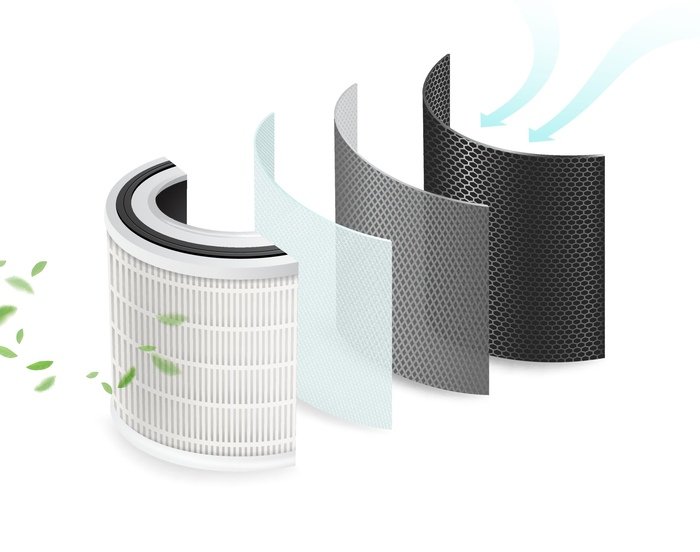
Why Filter Design Is Important
The effectiveness of an activated carbon filter is not determined solely by the amount of carbon it contains.
A well-designed filter carefully balances several engineering factors, including:
- Airflow rate
- Carbon bed depth
- Contact time
- Pressure drop
- Fan performance
- Carbon particle size
Adding more activated carbon without considering airflow may actually reduce overall system performance by increasing resistance and reducing the amount of air moving through the filter.
Professional filtration systems are designed to optimize all of these factors to achieve efficient and consistent odor removal.
Not Every Activated Carbon Removes Every Odor
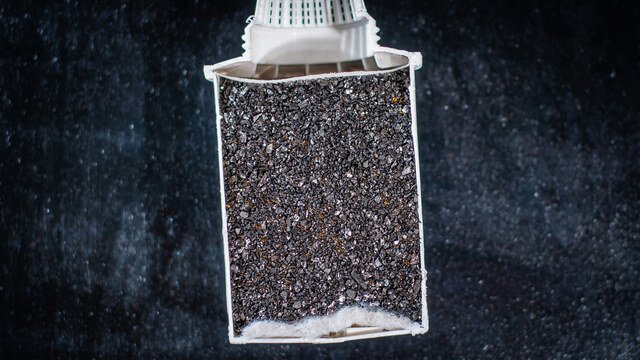
Different odor-causing compounds require different activated carbon media.
Standard activated carbon performs exceptionally well for many common organic odors, while specialized carbons are designed to remove specific gases more effectively.
For example:
| Odor Source | Recommended Carbon |
|---|---|
| Cooking odors | Standard Activated Carbon |
| Smoke | Coconut Shell Activated Carbon |
| VOCs | Coconut Shell Activated Carbon |
| Pet odors | Standard Activated Carbon |
| Hydrogen Sulfide (H₂S) | Impregnated or Catalytic Carbon |
| Ammonia (NH₃) | Impregnated Activated Carbon |
| Mercaptans | Impregnated Activated Carbon |
| Chemical vapors | Specialized Activated Carbon |
Choosing the correct carbon media is essential for achieving maximum filtration performance.

Are Activated Carbon Bags Effective?
Activated carbon bags have become increasingly popular for closets, cars, refrigerators, shoes, gym bags, and other small enclosed spaces.
They can help reduce localized odors because odor molecules naturally diffuse toward the carbon over time.
However, many advertisements suggest that simply placing an activated carbon bag in a room will continuously purify the air.
This is misleading.
Without a fan or another method of moving air through the carbon, only a very small portion of the room’s air comes into contact with the activated carbon.
As a result:
- Odor removal is much slower.
- Most airborne contaminants never reach the carbon.
- Continuous odor sources may generate pollutants faster than passive adsorption can remove them.
For these reasons, activated carbon bags are best suited for small enclosed spaces rather than large occupied rooms or commercial environments.
Active Carbon Filters vs. Passive Carbon Bags
The difference between passive carbon bags and engineered filtration systems is significant.
Passive carbon bags rely entirely on natural air movement.
In contrast, active filtration systems continuously force contaminated air through the activated carbon using fans. This dramatically increases the amount of air that contacts the carbon media, resulting in faster and more effective odor removal.
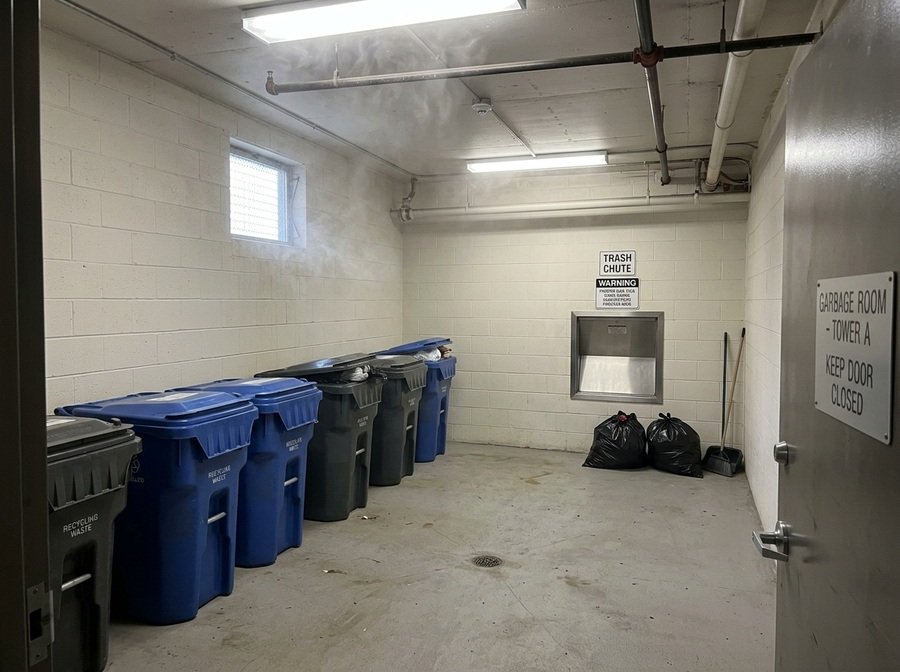
For offices, restaurants, commercial kitchens, hotels, garbage rooms, gyms, and industrial facilities, active filtration systems provide far better long-term performance than passive odor absorbers.
Factors That Affect Activated Carbon Performance
Several factors influence the effectiveness of activated carbon filtration.
These include:
- Carbon quality
- Raw material
- Carbon type
- Airflow rate
- Contact time
- Filter depth
- Humidity
- Temperature
- Contaminant concentration
- Filter maintenance
- Carbon saturation
Optimizing these variables allows activated carbon filters to achieve maximum odor removal efficiency.
How Long Does Activated Carbon Last?
Activated carbon has a limited adsorption capacity.
As contaminants accumulate inside its microscopic pores, the available adsorption sites gradually become occupied, reducing filtration performance.
The lifespan of an activated carbon filter depends on:
- Indoor air quality
- Odor concentration
- Filter size
- Carbon quality
- Airflow
- Daily operating hours
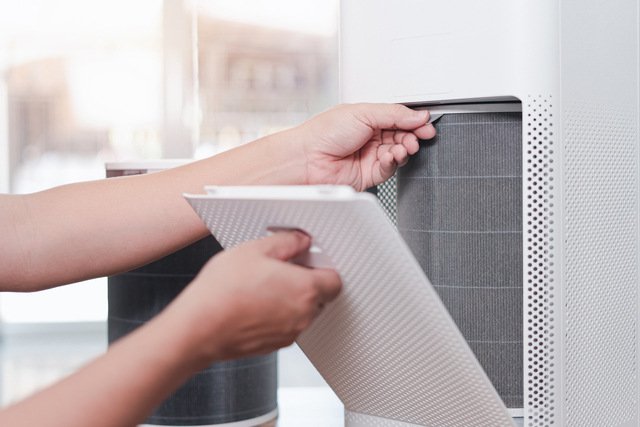
Residential filters may last several months, while commercial and industrial systems exposed to heavier contaminant loads may require more frequent replacement.
Regular maintenance ensures consistent odor control and optimal indoor air quality.
Choosing the Right Activated Carbon Filter
Selecting the right activated carbon filter involves much more than choosing the largest filter available.
A properly engineered system considers:
- The source of the odor
- The type of contaminants
- Airflow requirements
- Contact time
- Pressure drop
- Carbon media selection
- Maintenance schedule
The best filtration systems combine these factors to deliver efficient, reliable, and long-lasting odor control.
Conclusion
Activated carbon is one of the most effective technologies available for removing odors and improving indoor air quality. However, its performance depends on more than simply adding carbon to a filter.
Proper airflow, sufficient contact time, suitable carbon media, and well-designed filtration systems all determine how effectively odor-causing contaminants are removed.
Whether the application is a home, office, restaurant, commercial kitchen, hotel, garbage room, or industrial facility, understanding these principles helps ensure that activated carbon delivers the reliable and long-lasting odor control it is designed to provide.