As environmental crises shift from future warnings to present-day realities, industries worldwide are racing to adopt solutions that are both highly effective and nature-compatible. Among the most promising green technologies emerging in recent decades, two stand out for their versatility, safety, and transformative potential: industrial ozone technology and nanobubbles.
These innovations are not merely substitutes for harmful chemicals — they represent a fundamental rethinking of how we interact with the natural world, offering a cleaner, safer, and more sustainable path forward for agriculture, healthcare, water treatment, and beyond.
What Is Ozone and Why Does It Matter?
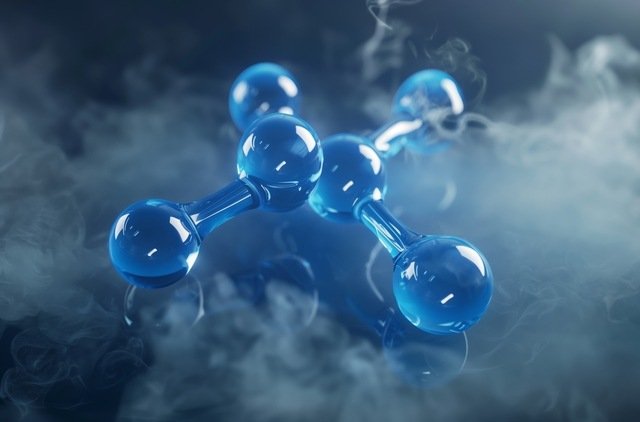
Ozone (O₃) is a molecule composed of three oxygen atoms. In Earth’s stratosphere, it serves as a protective shield against ultraviolet radiation. At ground level, however, industrially generated ozone has emerged as one of the most powerful and eco-friendly oxidizing agents known to science.
Ozone is approximately 1.5 times more effective than chlorine as a disinfectant — and crucially, after completing its reaction, it breaks down into simple oxygen, leaving zero harmful chemical residue in the environment. This self-neutralizing property makes it one of the most attractive tools in the green technology toolkit.
Industrial Applications of Ozone
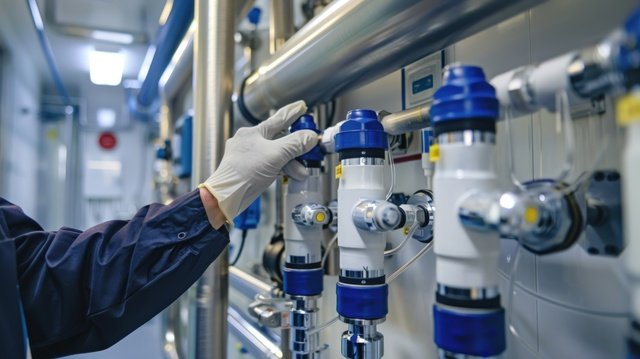
1. Water and Wastewater Treatment Ozone is widely used in water treatment plants to eliminate bacteria, viruses, and organic contaminants. Unlike chlorine, ozone does not produce carcinogenic byproducts such as trihalomethanes (THMs), and it significantly improves the taste and odor of treated water — making it the preferred choice for municipalities prioritizing public health and environmental safety.
2. Food Industry and Safety In food preservation, ozone replaces synthetic chemical preservatives. From sanitizing fresh produce to sterilizing packaging equipment, ozone extends shelf life without altering taste, nutritional value, or food safety standards. It is increasingly used in organic food processing as a clean-label solution.

3. Textile and Paper Industries In bleaching processes for fabrics and paper, ozone replaces chlorine-based chemicals, dramatically reducing industrial water pollution. This application alone has the potential to significantly lower the environmental footprint of two of the world’s most polluting industries.
4. Sustainable Agriculture Ozonated water used for crop spraying can substantially reduce reliance on synthetic pesticides. This approach preserves soil health, protects beneficial organisms like pollinators, and produces cleaner, safer food — all while reducing the chemical burden on surrounding ecosystems.

5. Medical and Dental Applications Ozone therapy is actively researched for treating infections, accelerating wound healing, and managing certain chronic conditions. In dentistry, ozonated water and gas are used as powerful, side-effect-free disinfectants, replacing more invasive chemical treatments.

Nanobubbles: The Emerging Revolution
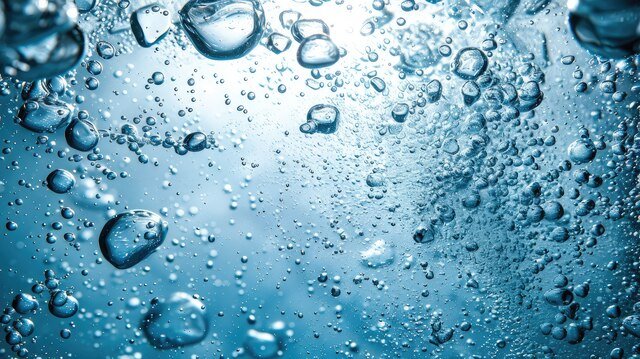
Nanobubbles are gas-filled bubbles with a diameter of less than 200 nanometers — invisible to the naked eye, yet extraordinarily powerful in application. Unlike conventional bubbles that rise and burst within seconds, nanobubbles remain suspended in liquid for weeks or even months.
This remarkable stability stems from two key physical properties: a negative surface charge that prevents bubbles from merging, and their ultra-small size which minimizes buoyancy forces. The result is a highly active, long-lasting carrier of dissolved gas — with profound implications across multiple industries.
Key Applications of Nanobubble Technology
Smart Agriculture: Water infused with oxygen nanobubbles delivers superior oxygenation directly to plant roots, accelerating growth, improving crop yields, and reducing water consumption by up to 30%. In hydroponic farming, nanobubble technology is rapidly becoming the new standard.
Aquaculture: Oxygen nanobubbles maintain consistently high dissolved oxygen levels in fish farming tanks, reducing mortality rates and significantly improving productivity — without the need for chemical additives.
Advanced Water Purification: Combining ozone nanobubbles with water multiplies disinfection efficiency because ozone remains active in the water far longer than in conventional ozonation, achieving superior contact with contaminants.
Pharmaceutical and Medical Innovation: Nanobubbles are being investigated as precision drug delivery vehicles, capable of transporting therapeutic agents directly to target tissues. Applications in diagnostic ultrasound imaging and cancer treatment represent some of the most exciting frontiers in modern medicine.
The Power of Combining Ozone and Nanobubbles
Perhaps the most exciting development in this space is the convergence of both technologies. Ozone Nanobubble Water (ONW) demonstrates up to 10 times greater disinfection efficacy than conventional ozonated water — while maintaining full environmental compatibility. By keeping ozone active in solution for extended periods, ONW maximizes oxidative power with minimal chemical input.
This combination is rapidly becoming a cornerstone technology in sustainable food production, advanced water treatment, and precision healthcare — offering a rare intersection of performance and environmental responsibility.
Ozone technology and nanobubbles represent more than incremental improvements — they signal a paradigm shift in how we approach industrial processes. These technologies prove that high performance and environmental sustainability are not opposing forces; when harnessed intelligently, they reinforce each other.
As global pressure to reduce chemical dependency and carbon footprints intensifies, ozone and nanobubble technologies offer industries a credible, scalable, and scientifically validated path toward a cleaner future — one oxygen molecule at a time.
Keywords: eco-friendly technology, ozone applications, nanobubble technology, green disinfection, sustainable agriculture, ozone water treatment, oxygen nanobubbles, ozone nanobubble water, industrial ozone, clean technology