For decades, farmers have relied on chemical pesticides and fungicides to keep crops healthy. But those chemicals come with a growing list of problems:
-Rising costs,
-Stricter regulations,
-Residue limits that block exports,
-Damage to soil and groundwater over time.
There is a different approach gaining ground around the world, and it uses nothing but oxygen and electricity.
That approach is ozone.
What is ozone, and why does it work on plants?
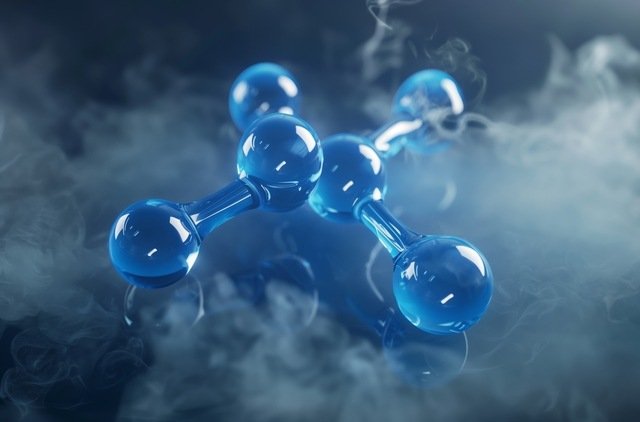
Ozone is a molecule made of three oxygen atoms (O₃). It’s the same gas that forms a protective layer high in the atmosphere. In agriculture, ozone is one of the most powerful natural disinfectants available — according to the World Health Organization, very few microorganisms can survive contact with it.
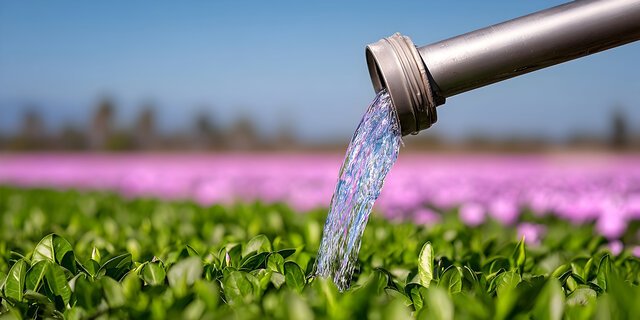
When ozone is dissolved in water and sprayed onto crops, it oxidizes the cell walls of fungi, bacteria, viruses, spores, and other pathogens, destroying them on contact. And here’s the part that makes it so attractive: within minutes of doing its job, ozone breaks back down into ordinary oxygen. It leaves no residue on the plant, no buildup in the fruit, and nothing in the soil or groundwater.
The four big reasons growers are switching to ozone
1. It sanitizes and protects the crop
Ozone is a strong oxidizing gas that’s highly effective against a wide range of crop threats — bacteria, viruses, protozoa, nematodes, fungi, cell clusters, and spores. By applying ozonated water as a foliar spray, growers can reduce the spread of disease and slow the deterioration and loss of fruit. Because ozone damages the entire microorganism, it also helps prevent resistant strains from developing — a problem that plagues many chemical treatments.
2. It speeds up healing after pruning
Pruning leaves open wounds where disease can enter. The oxidizing power of ozone, combined with the extra dissolved oxygen it delivers, dramatically speeds up healing after pruning. It helps seal those entry points, reduces “bleeding” from the plant, and gives the crop an oxygen boost at exactly the moment it’s most vulnerable. Applying ozone during or right after pruning can meaningfully cut disease rates.
3. It saves money on chemicals
Every liter of pesticide or fungicide is a cost — to buy, to store, to apply, and increasingly to comply with. Switching part of your treatment program to ozonated water reduces chemical consumption, lowers chemical pressure on the crop, and cuts the chemical traces that end up in the final product. With markets and regulators tightening residue limits every year, fewer chemicals means easier compliance and better access to premium and export markets.
4. It leaves no trace
This is the heart of ozone’s appeal. Ozonated water does not accumulate in the plant, the fruit, the soil, or the groundwater. Ozone is extremely powerful — but only for a few minutes, after which it reverts to oxygen. For any grower aiming for organic, sustainable, or residue-free certification, that’s a decisive advantage.
Which crops can be treated with ozone?
The short answer is: nearly all of them. Ozone can be used on trees and bushes, on intensive, super-intensive, and extensive farming, and on both irrigated and rainfed crops. Around the world it’s already in use on:
- Vegetables — tomato, cucumber, pepper, zucchini, potato, onion, garlic, carrot, lettuce, and leafy greens
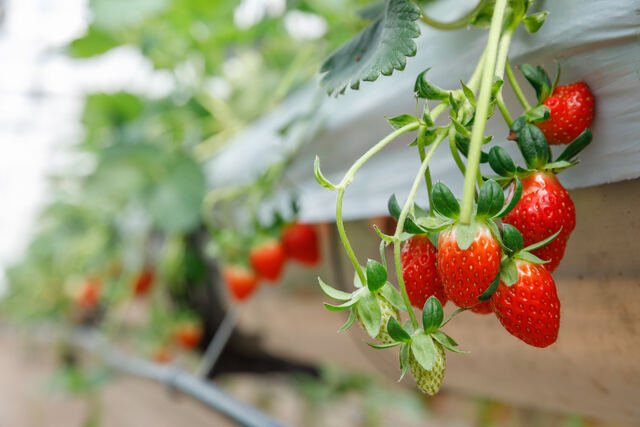
- Fruits and berries — strawberry, blueberry, blackberry, melon, watermelon
- Trees and orchards — citrus, olive, apple, pear, avocado, banana, mango, almond, pistachio
- Vineyards — one of the most established uses worldwide
- Specialty and industrial crops — cotton, hemp, ornamentals, and turf for sports fields and golf courses
How ozone is applied in the field
The process is simpler than most people expect. An ozone generator is installed on an agricultural sprayer or atomizer. The unit pulls in air, concentrates the oxygen, and uses an electrical discharge to convert that oxygen into ozone — all on-site. Nothing needs to be stored or transported, because ozone is generated on demand.
A typical foliar treatment looks like this:
- Fill the sprayer tank with clean water.
- Start the system and let it dissolve ozone into the water.
- Wait until the water reaches an effective ozone concentration — at least 0.5 ppm, though higher is generally better.
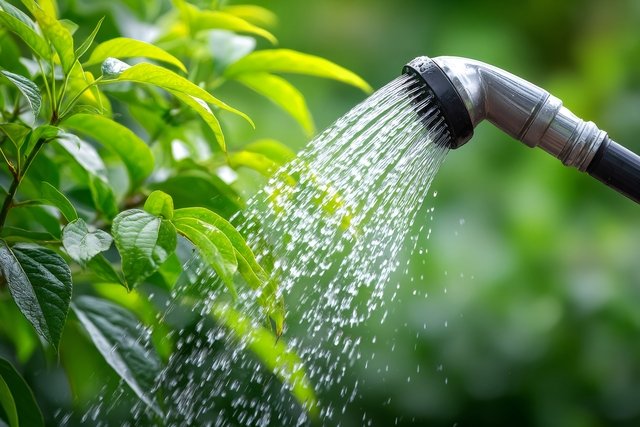
- Spray the crop.
- Verify the treatment is working using a monitoring system.
There are two ways to dissolve the ozone: bubbling it into the tank (reaching roughly 0.5–3 ppm) or injecting it directly into the water line (which can reach much higher concentrations). Many systems offer both, letting the operator switch modes depending on the crop and the equipment.
The golden rule: if you don’t measure it, you’re just watering
This is the single most important thing to understand about ozone in agriculture. Unlike a bottle of bleach that arrives at a known, stable concentration, dissolved ozone depends on many factors — power, water volume, flow rate, temperature, and more. It must be measured in real time, continuously, to be sure the treatment is actually effective.
Professional systems use a Redox probe (measuring the water’s oxidizing capacity in millivolts) or a dissolved-ozone meter (measuring ppm directly). Without measurement, you have no way to know whether you’re disinfecting your crop or simply spraying it with water. Any serious ozone setup should include, at minimum, a reliable way to monitor ozone levels.
Is ozone right for your farm?
Ozone won’t replace every input overnight, and success depends on getting three things right: enough ozone concentration, enough contact time with the target pathogens, and proper monitoring. That’s why working with experienced technicians to design a treatment plan matters — the right equipment power, the right application timing, and the right dilution method all depend on your specific crop and challenges.
But for growers in the UAE and across the GCC who are dealing with rising chemical costs, tightening residue regulations, and the push toward sustainable and export-ready produce, ozone offers something rare: a tool that protects crops, saves money, and leaves nothing behind.
Interested in chemical-free crop protection?
Darbune designs ozone solutions for agriculture across the UAE and GCC. If you’d like to explore whether ozone fits your crop and your operation, get in touch for a free assessment.
Disclaimer: Ozone is a powerful oxidizing gas. Application rates, timing, and equipment should be matched to your specific crop and conditions. Always work with qualified technicians and follow local agricultural and safety regulations.