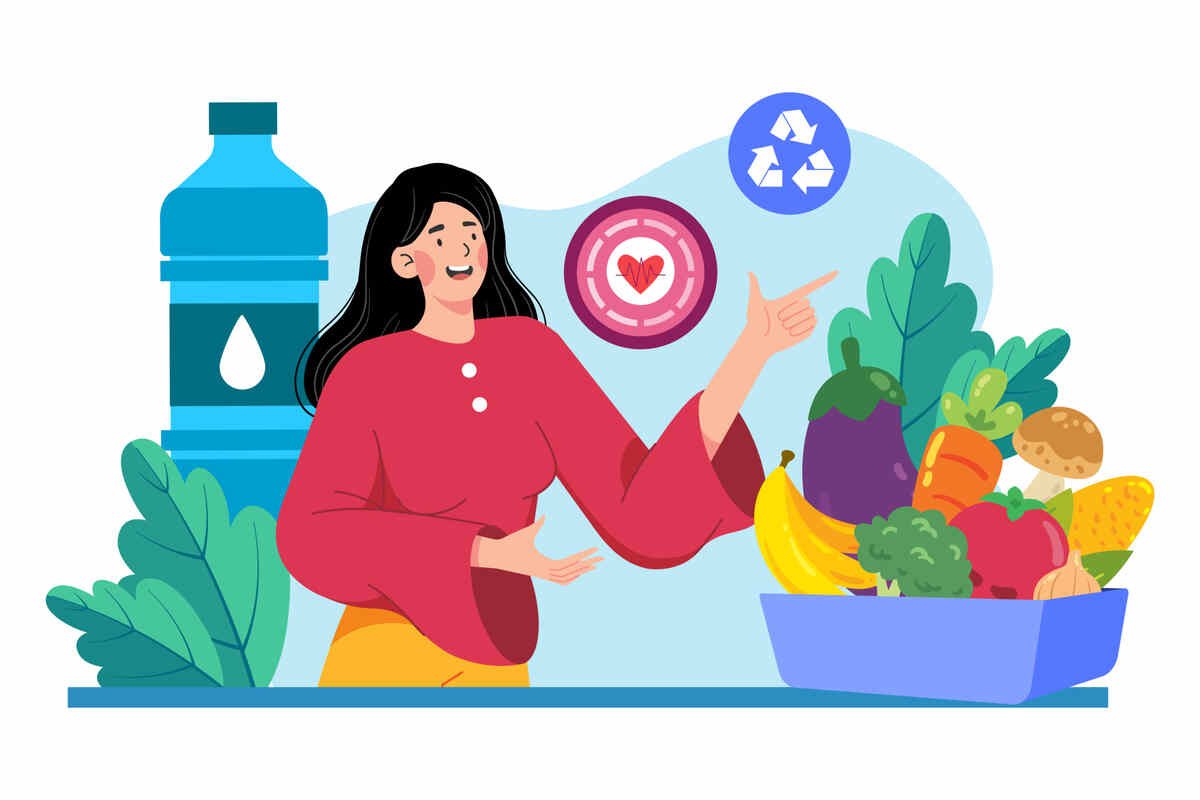
Today, fruits and vegetables are an essential part of a healthy life and a healthy body. Nutrition experts always emphasize the importance of eating fruits and vegetables every day, and with growing public awareness, many people try to include them in their daily diet. However, despite all their benefits, there is one major challenge: contamination.
Because of urban life, limited land, lack of time, and insufficient facilities, most people cannot grow all the fruits and vegetables they need. As a result, they buy a large part of them from the market. However, we usually do not have clear information about how these products were grown, harvested, transported, or stored. For this reason, they should be properly disinfected and washed before consumption to make them safer to eat and to reduce possible health risks.
On the other hand, fruits and vegetables naturally have a short shelf life because of their freshness and delicate structure. If they are not stored properly, they can quickly lose their original quality….
Hidden Contaminants on Fresh Produce
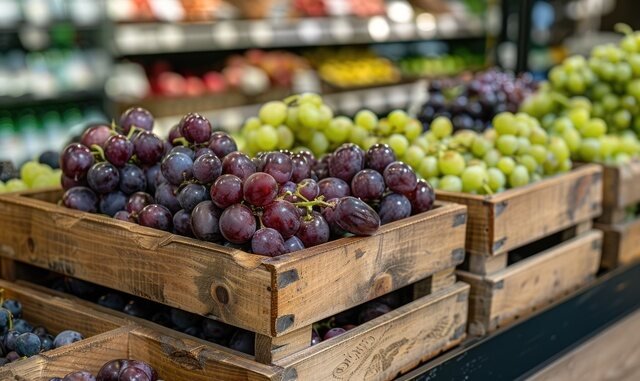
In addition to dust and visible dirt, fruits and vegetables may carry various contaminants that are not visible to the naked eye. During cultivation, harvesting, transportation, storage, and handling, produce can come into contact with bacteria, fungi, pesticide residues, and other environmental contaminants. Even products that look fresh and clean may still contain unwanted substances on their surface.
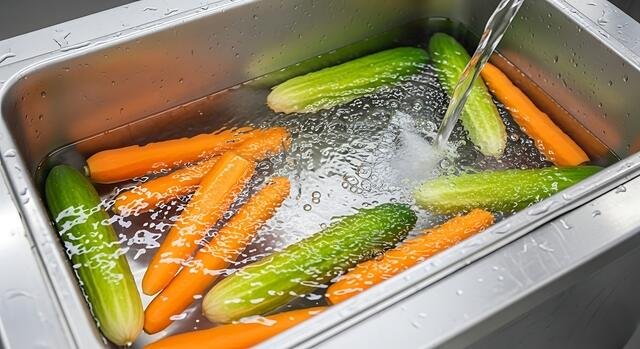
For this reason, simply rinsing produce with tap water may not always provide an adequate level of protection. While water can remove some dirt and debris, it may not effectively reduce microorganisms or residues that adhere to the surface of fruits and vegetables. This limitation has encouraged both consumers and food businesses to seek more advanced and reliable washing solutions.
The Challenge of Modern Food Supply Chains
Another important factor is the increasing complexity of modern food supply chains. Today, fruits and vegetables often travel long distances before reaching consumers. They pass through farms, packaging facilities, warehouses, transportation networks, distribution centers, and retail stores. Each stage of this journey creates additional opportunities for contamination and quality deterioration.
Food safety has become a global concern. Restaurants, hotels, supermarkets, food processors, and households are increasingly looking for methods that can improve hygiene standards while preserving the freshness, taste, appearance, and nutritional value of produce. Modern washing and disinfection technologies are designed to address these challenges more effectively than traditional methods.
Challenges of Traditional Washing Methods
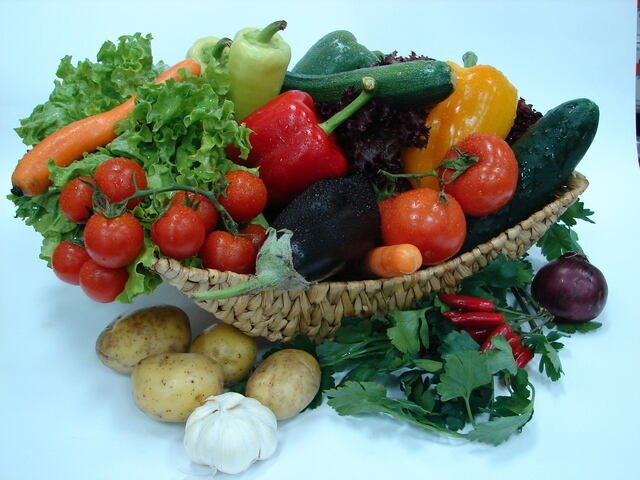
Traditional methods such as rinsing with water, soaking in salt water, or using vinegar solutions have been used for many years. Although these approaches may help remove some contaminants, their effectiveness can vary significantly depending on the type of produce and the level of contamination.
Many microorganisms can attach themselves to microscopic cracks, pores, and uneven surfaces found on fruits and vegetables. In some cases, simple washing methods may not be able to reach these areas effectively. As a result, a portion of the contamination may remain even after washing.
Furthermore, traditional methods often do not address issues such as cross-contamination, where microorganisms can spread from one piece of produce to another through washing water. This challenge becomes even more important in commercial environments where large quantities of fruits and vegetables are processed every day.
Conclusion
Fresh fruits and vegetables are an essential part of a healthy diet, but they can also be exposed to various contaminants throughout their journey from farm to table. As food supply chains become more complex and consumer expectations for food safety continue to grow, relying solely on traditional washing methods may not always provide the desired level of protection.
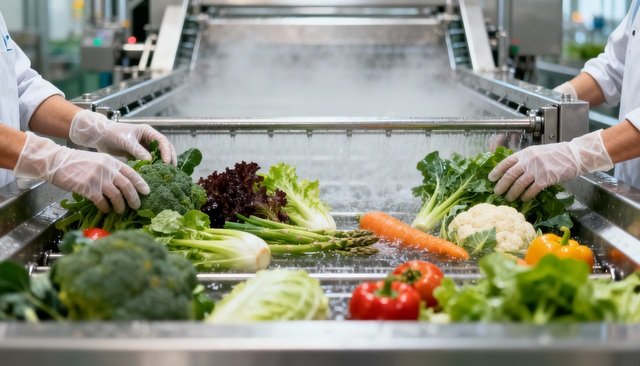
Modern washing and disinfection technologies offer new opportunities to improve food safety, reduce contamination, and help maintain the freshness and quality of produce. Solutions such as ozone, nanobubbles, and UV treatment are increasingly being explored as effective and environmentally responsible alternatives to conventional methods.
As technology continues to evolve, adopting smarter and more sustainable approaches to produce washing can contribute to a safer food system, reduced waste, and greater consumer confidence in the food we eat every day.