When people think about improving indoor air quality, they often assume that opening a window or installing an air purifier will solve every air quality problem. In reality, ventilation and air purification serve different purposes, and understanding the difference is essential for creating healthier indoor environments.
Whether you manage an office, restaurant, warehouse, school, hospital, or commercial building, knowing when to use ventilation, air purification, or a combination of both can significantly improve indoor air quality and occupant comfort.
What Is Ventilation?
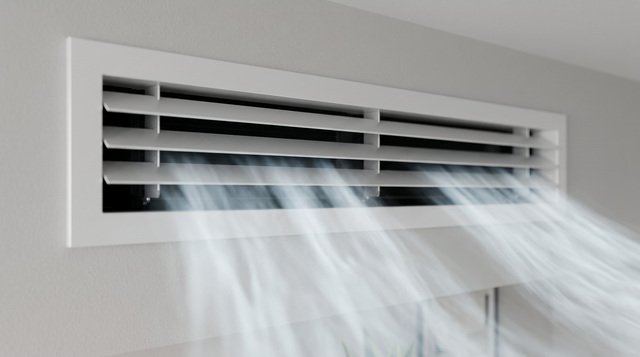
Ventilation is the process of replacing stale indoor air with fresh outdoor air.
Its primary purpose is to remove indoor pollutants by diluting them with cleaner outdoor air. Ventilation also helps regulate carbon dioxide (CO₂), humidity, and temperature while supplying oxygen to building occupants.
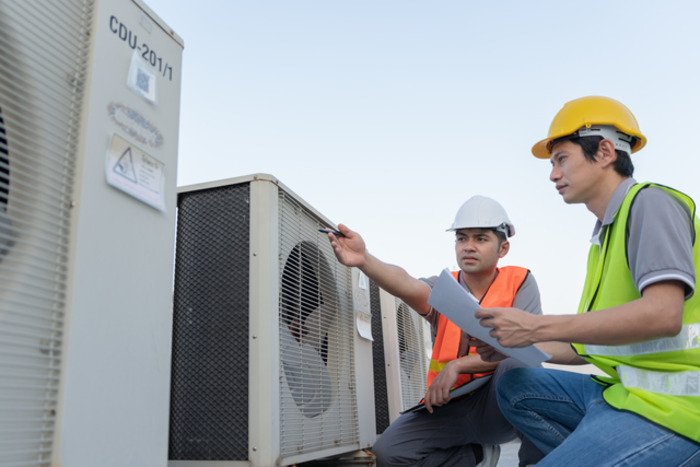
Ventilation may occur naturally by opening windows and doors or mechanically through HVAC systems that bring fresh outdoor air into a building.
Good ventilation is one of the most important foundations of healthy indoor air.
Benefits of Ventilation
Proper ventilation offers several important advantages:
- Brings fresh outdoor air indoors
- Reduces indoor carbon dioxide (CO₂)
- Helps control humidity
- Removes excess heat
- Dilutes airborne pollutants
- Improves occupant comfort
- Reduces the buildup of stale air
For many buildings, ventilation is the first step toward improving indoor air quality.
Limitations of Ventilation
Although ventilation is essential, it is not a complete solution.
Outdoor air is not always clean. In many cities, fresh air may contain:
- Dust
- Vehicle emissions
- Smoke
- Pollen
- Fine particulate matter (PM2.5)
- Industrial pollution
- Sand and desert dust
- Unpleasant outdoor odors
Simply bringing polluted outdoor air inside may not improve indoor air quality.
Ventilation also cannot actively remove many pollutants that are continuously generated indoors.
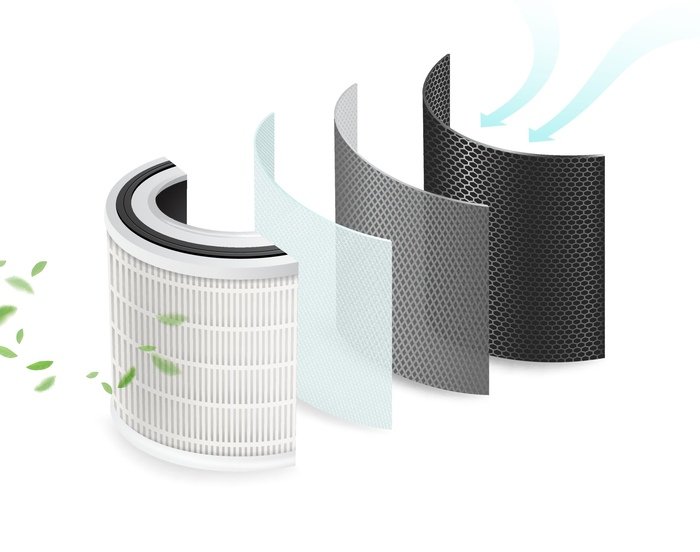
What Is Air Purification?
Air purification removes contaminants from indoor air using specialized filtration or air treatment technologies.
Unlike ventilation, which replaces indoor air with outdoor air, air purification cleans the air already inside the building.
Modern air purification systems can target pollutants that ventilation alone may not effectively remove.
What Can Air Purification Remove?
Depending on the technology used, air purification systems can help reduce:
- Dust
- Fine particles (PM2.5)
- Pollen
- Smoke
- Cooking odors
- Volatile Organic Compounds (VOCs)
- Odor-causing gases
- Hydrogen sulfide (H₂S)
- Ammonia (NH₃)
- Bacteria
- Mold spores
- Airborne allergens
Different technologies remove different contaminants, which is why many commercial systems combine multiple filtration methods.
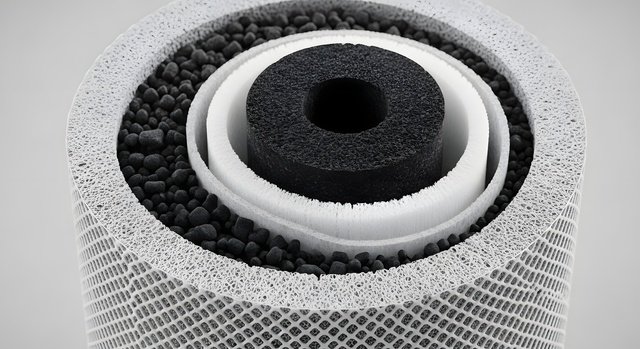
Common Air Purification Technologies
Several technologies are commonly used in modern air purification systems.
HEPA Filters
HEPA filters capture airborne particles such as dust, pollen, mold spores, and fine particulate matter.
However, HEPA filters do not remove gases or odors.
Activated Carbon
Activated carbon removes many odors, VOCs, smoke, and organic gases through adsorption.
It is one of the most effective technologies for odor control.
Photocatalytic Oxidation (PCO)
PCO technology helps break down VOCs and certain airborne contaminants at the molecular level.
Hydroxyl Technology
Hydroxyl generators continuously react with airborne pollutants and odor-causing compounds and are suitable for many occupied environments.
Ozone
Ozone is highly effective for severe odor removal.
However, it should only be used as a short-term treatment in unoccupied spaces, followed by proper ventilation before people return.

Ventilation vs. Air Purification
Although they are often discussed together, ventilation and air purification solve different problems.
| Ventilation | Air Purification |
|---|---|
| Brings fresh outdoor air inside | Cleans indoor air |
| Reduces CO₂ | Removes particles and gases |
| Controls humidity | Removes odors |
| Dilutes pollutants | Removes VOCs |
| Improves oxygen levels | Improves indoor air quality |
| Depends on outdoor air quality | Works regardless of outdoor pollution |
Rather than competing with each other, these two approaches work best together.
Why Modern Buildings Need Both
Today’s buildings are designed to be energy efficient.
Better insulation and tightly sealed windows reduce energy loss but also reduce natural airflow.
As a result, pollutants generated indoors may remain trapped for long periods.
At the same time, many cities experience outdoor pollution, making it difficult to rely entirely on fresh air ventilation.
Using ventilation alone may not remove cooking odors, VOCs, smoke, or chemical emissions.
Using air purification alone may not adequately reduce carbon dioxide or provide enough fresh oxygen.
The healthiest buildings combine both strategies.
The Best Indoor Air Quality Strategy
A comprehensive indoor air quality plan typically includes:
- Fresh air ventilation
- Efficient HVAC maintenance
- HEPA filtration for particles
- Activated carbon for odors and VOCs
- Additional air treatment technologies when needed
- Regular monitoring of indoor air quality
Each technology addresses different types of contaminants, creating a healthier indoor environment when used together.
Choosing the Right Solution
Every building has different air quality challenges.
For example:
- Offices may struggle with VOCs, body odors, and pantry odors.
- Restaurants often require odor and grease control.
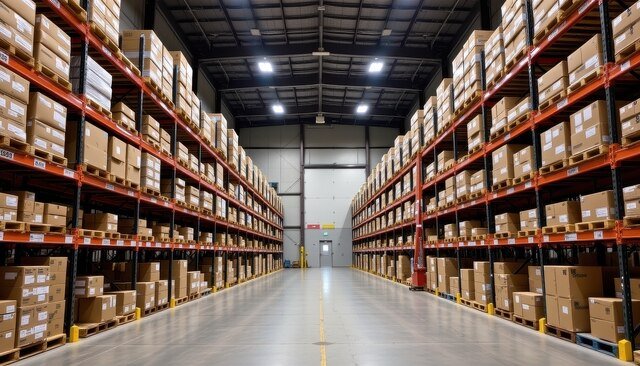
- Warehouses may experience humidity and storage odors.
- Hospitals prioritize airborne particles and biological contaminants.
- Schools require clean, comfortable air for students and staff.
Selecting the right combination of ventilation and air purification depends on the building’s purpose, occupancy, and pollutant sources.
Conclusion
Ventilation and air purification are not competing solutions—they are complementary parts of a healthy indoor environment.
Ventilation supplies fresh air, reduces carbon dioxide, and controls humidity, while air purification removes particles, odors, gases, and other airborne contaminants that ventilation alone cannot eliminate.
By combining proper ventilation with effective air purification technologies, building owners can create cleaner, healthier, and more comfortable indoor spaces that support occupant well-being, productivity, and long-term indoor air quality.