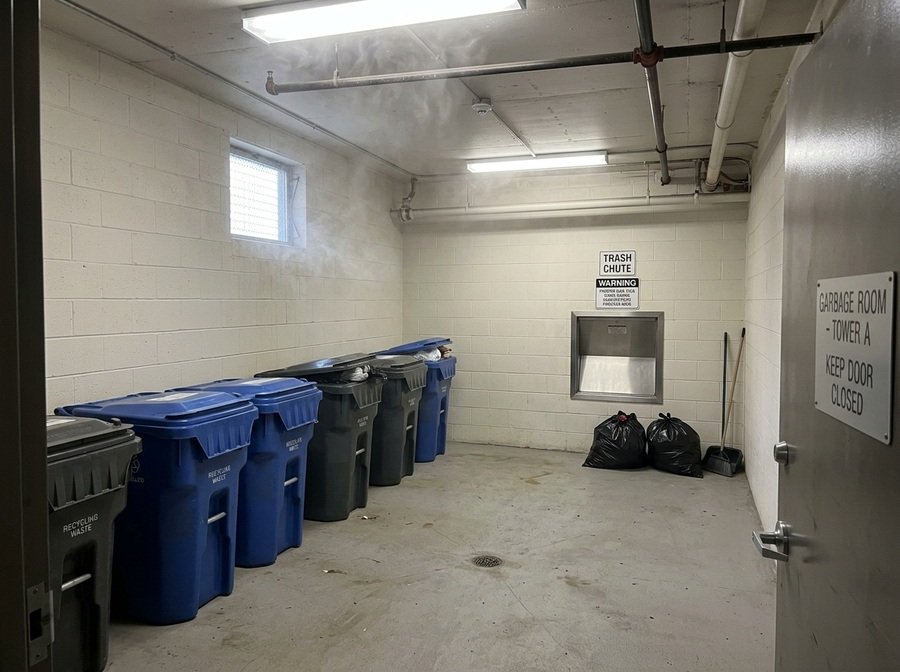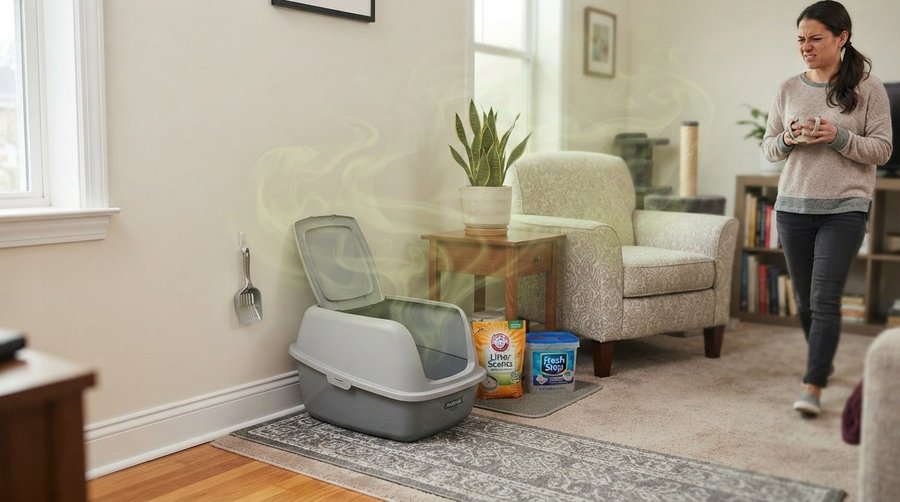

Zeolite is one of nature’s most remarkable minerals. Formed from volcanic ash over thousands of years, it has a unique crystalline structure that allows it to trap moisture, gases, and certain contaminants. Because of these properties, zeolite has become an important material in air purification, water treatment, agriculture, environmental protection, and industrial filtration.
In recent years, natural zeolite has gained increasing attention as an eco-friendly solution for controlling odors and humidity in warehouses, storage facilities, waste management areas, livestock farms, and commercial buildings. Unlike air fresheners that simply mask unpleasant smells, zeolite helps reduce odor-causing compounds by adsorbing them within its porous structure.
What Is Zeolite?
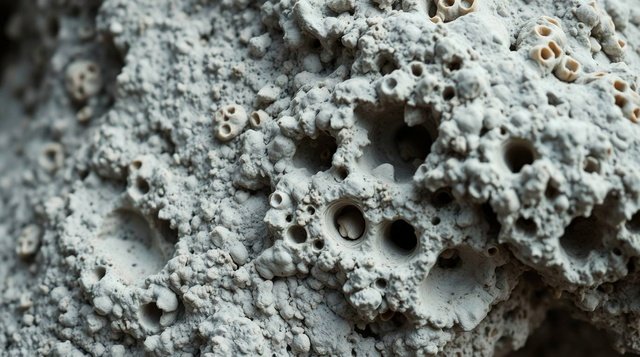
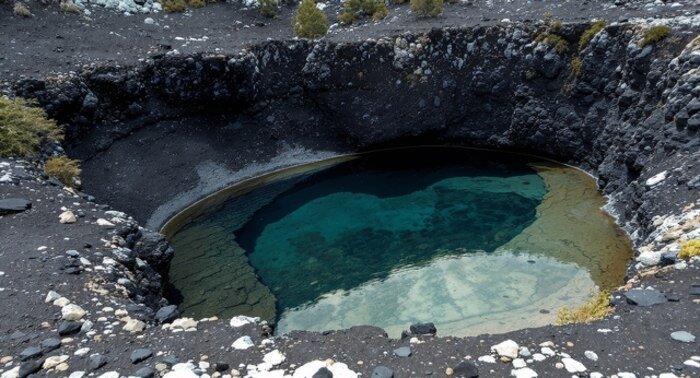
Natural zeolite is a microporous volcanic mineral formed when volcanic ash reacts with alkaline groundwater over long geological periods.
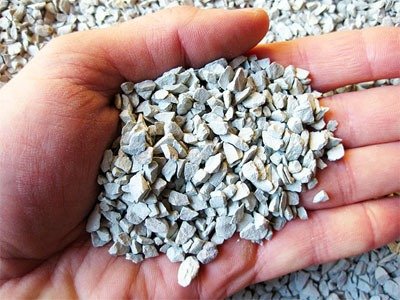
Its crystal structure contains millions of microscopic channels and cavities that can trap water molecules, gases, and positively charged ions. This makes zeolite an excellent natural adsorbent and ion-exchange material.
More than 40 natural zeolite minerals exist, but Clinoptilolite is one of the most widely used due to its stability, adsorption capacity, and environmental safety.
How Does Zeolite Work?
Zeolite removes contaminants through two primary mechanisms.
Adsorption
The mineral’s porous structure traps moisture and certain gases inside microscopic pores, helping reduce humidity and unpleasant odors.
Ion Exchange
Zeolite can exchange naturally occurring ions with unwanted ions in water or air. This property makes it valuable for removing ammonia and certain heavy metals in environmental applications.
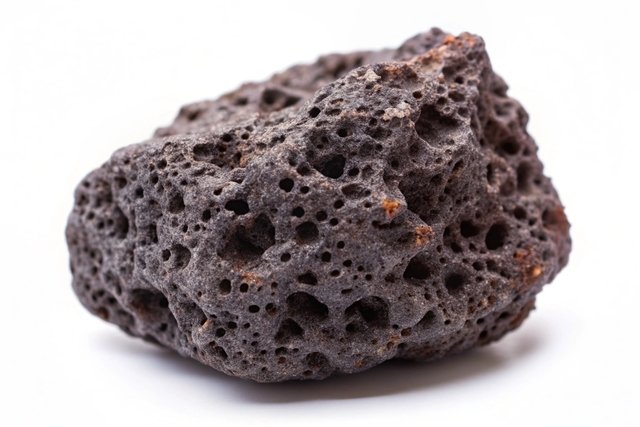
Key Properties of Zeolite
Natural zeolite offers several unique characteristics that make it valuable across many industries.
- Naturally occurring volcanic mineral
- Highly porous crystalline structure
- Excellent moisture adsorption
- Effective ammonia adsorption
- Good thermal stability
- Chemical stability
- Environmentally friendly
- Non-toxic
- Long service life
- Regenerable in many applications
These properties make zeolite an attractive alternative to chemical odor control products.
Applications of Zeolite
Zeolite is used in numerous residential, commercial, agricultural, and industrial applications.
Common uses include:
- Air purification
- Water filtration
- Pool filter
- Wastewater treatment
- Livestock facilities
- Poultry farms
- Aquaculture
- Pet litter
- Composting systems
- Garbage rooms
- Waste storage areas
- Refrigerators
- Food storage
- Industrial filtration
- Soil improvement
- Agriculture
- Aquariums
Its versatility has made zeolite one of the most important natural filtration minerals available today.
Why Zeolite Is Effective for Odor Control
Many unpleasant odors are produced by gases released during the decomposition of organic materials.
Common odor-causing compounds include:
- Ammonia (NH₃)
- Hydrogen sulfide (H₂S)
- Mercaptans
- Organic decomposition gases
- Moisture-related odors
Natural zeolite is particularly effective at adsorbing ammonia and helping reduce moisture that contributes to odor formation. Because moisture often accelerates bacterial growth and decomposition, reducing humidity can significantly improve overall odor control.
For this reason, zeolite is commonly used in:
- Garbage collection rooms
- Waste storage facilities
- Animal shelters
- Livestock buildings
- Food storage areas
- Compost facilities

Zeolite for Pool Filtration
Natural zeolite is widely used as an alternative to silica sand in swimming pool filtration systems because of its highly porous structure.
Benefits of zeolite in pool filters include:
- Better filtration of fine particles than traditional filter sand
- Improved water clarity
- Adsorption of ammonia, helping improve water quality
- Reduced chloramine formation and chlorine odor
- Longer filter media life in many applications
- Lower backwash frequency in some pool systems
- Environmentally friendly and naturally occurring filtration media
Zeolite for Moisture Control in Warehouses
Humidity is one of the biggest challenges in warehouses and storage facilities.
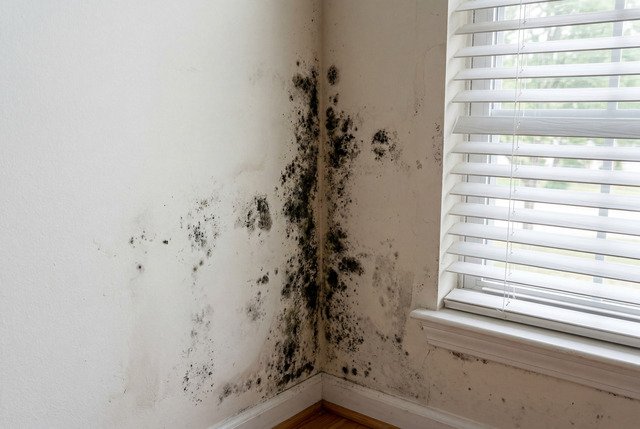
Excess moisture can lead to:
- Mold growth
- Mildew
- Product damage
- Packaging deterioration
- Corrosion
- Unpleasant odors
- Reduced shelf life
Natural zeolite helps adsorb excess moisture from the surrounding environment, creating a drier storage condition that protects both products and facilities.
Unlike electrical dehumidifiers, zeolite works passively and requires no electricity, making it suitable for many storage applications.
Zeolite for Warehouse Odor Control
Warehouses storing food products, agricultural materials, chemicals, animal feed, or organic goods often experience persistent odor problems.
These odors may originate from:
- Organic waste
- Moisture
- Packaging materials
- Agricultural products
- Animal products
- Chemical storage
- Poor ventilation
Zeolite can help reduce these odors by adsorbing moisture and certain odor-causing gases before they spread throughout the storage area.
It is commonly placed inside:
- Storage bins
- Ventilation systems
- Passive odor filter boxes
- Air filtration units
- Waste collection areas
Zeolite vs. Activated Carbon
Although both materials are widely used for odor control, they perform differently.
Activated carbon is generally more effective for removing VOCs, smoke, cooking odors, and many organic gases.
Zeolite performs particularly well in controlling moisture, ammonia, and certain inorganic gases.
Because of their complementary properties, many modern filtration systems combine activated carbon and zeolite to achieve broader odor control and improved overall filtration performance.
Advantages of Zeolite
Natural zeolite offers numerous advantages:
- Natural mineral
- Eco-friendly
- No electricity required
- Low maintenance
- Long service life
- Reusable in many applications
- Excellent moisture control
- Effective ammonia adsorption
- Cost-effective
- Safe for many commercial and industrial applications
Limitations of Zeolite
Like any filtration material, zeolite has limitations.
- It is not equally effective against every odor-causing gas.
- It generally removes fewer VOCs than activated carbon.
- It eventually becomes saturated and may require regeneration or replacement.
- Performance depends on humidity, airflow, contaminant concentration, and application design.
For applications involving complex odor mixtures, zeolite is often combined with activated carbon or other air purification technologies.
Conclusion
Natural zeolite is one of the world’s most valuable filtration minerals for moisture management and odor control. Its unique volcanic origin, porous crystal structure, and natural adsorption properties make it an environmentally friendly solution for warehouses, storage facilities, waste rooms, agricultural buildings, and many commercial applications.
While activated carbon remains the preferred choice for removing VOCs and many organic odors, zeolite provides exceptional performance where moisture and ammonia control are equally important. By selecting the right filtration media—or combining zeolite with activated carbon—businesses can create cleaner, drier, and healthier indoor environments while protecting products, facilities, and occupants.