

Fresh fruits and vegetables are an essential part of a healthy diet and play an important role in providing vitamins, minerals, fiber, and antioxidants. Nutrition experts around the world encourage people to consume more fresh produce to support overall health and well-being. However, while fruits and vegetables offer many health benefits, they can also carry contaminants that may pose risks to consumers if they are not properly washed and disinfected.
Hidden Risks on Fresh Produce
Many people assume that rinsing fruits and vegetables with tap water is enough to make them safe for consumption. While water can help remove visible dirt, dust, and some debris, it may not effectively eliminate harmful microorganisms or residues that can remain on the surface of produce.
Fresh produce can be exposed to bacteria, fungi, parasites, and pesticide residues during cultivation. Soil, irrigation water, animals, insects, and human handling can all contribute to contamination before fruits and vegetables are harvested. Even produce that looks clean and fresh may carry invisible contaminants that cannot be detected by sight alone.
Some of the microorganisms that may be found on fruits and vegetables include Salmonella, E. coli, Listeria, and various parasites. These contaminants can potentially cause foodborne illnesses, digestive problems, and other health complications, particularly in children, older adults, and individuals with weakened immune systems.
Challenges During Transportation and Storage
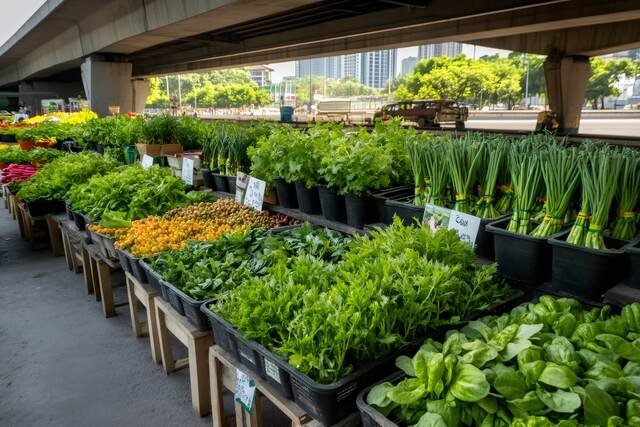
The journey from farm to table is often much longer and more complex than many consumers realize. Fruits and vegetables may pass through multiple stages, including harvesting, packaging, transportation, warehousing, distribution centers, supermarkets, and restaurant kitchens.
During transportation and storage, produce may come into contact with contaminated surfaces, containers, equipment, or handling processes. Temperature fluctuations and improper storage conditions can also encourage the growth of microorganisms and accelerate product deterioration.
As a result, contamination can occur even after harvesting. This is one of the reasons why food safety professionals emphasize the importance of proper washing and disinfection before consumption or food preparation.
Why Restaurants Should Pay Special Attention
For restaurants, hotels, catering companies, and food service businesses, produce safety is not only a health issue but also a matter of reputation and customer trust. A single food safety incident can affect customer confidence and potentially damage a business’s reputation.
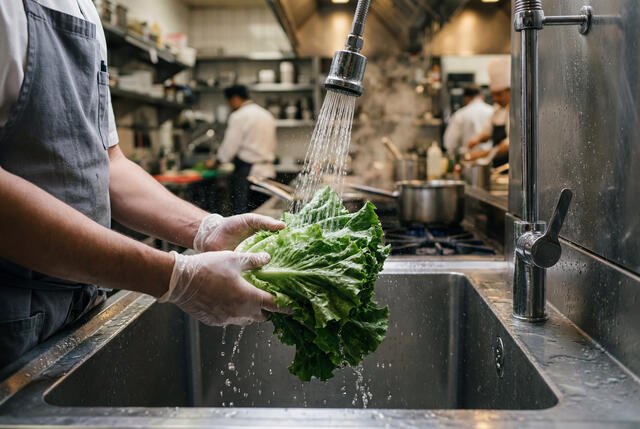
Restaurants serve large numbers of customers every day and often handle significant quantities of fresh produce. If fruits and vegetables are not properly disinfected, harmful microorganisms may be transferred to prepared meals, increasing the risk of foodborne illness.
Implementing effective produce washing and disinfection procedures helps restaurants protect their customers, comply with food safety standards, and demonstrate their commitment to quality and hygiene. Investing in proper sanitation practices is ultimately an investment in customer satisfaction and long-term business success.
Modern Produce Disinfection Solutions
As food safety requirements continue to evolve, modern technologies are being adopted to improve the effectiveness of produce washing and disinfection. These technologies are designed to reduce contamination while preserving the freshness, appearance, and nutritional value of fruits and vegetables.
Compared to water alone, advanced disinfection methods can provide a higher level of protection against microorganisms and help reduce the risk of cross-contamination during food preparation.
The Benefits of Ozone Technology
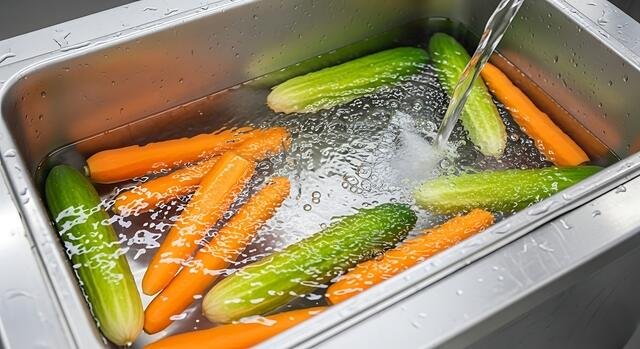
One of the most promising solutions for produce disinfection is ozone technology. Ozone is a powerful oxidizing agent composed of three oxygen atoms. When used in water, ozone can help reduce bacteria, viruses, molds, and other microorganisms that may be present on the surface of fruits and vegetables.
Unlike many traditional chemical disinfectants, ozone naturally breaks down into oxygen after treatment, leaving no harmful chemical residue behind. This makes it an attractive solution for businesses and consumers seeking more environmentally friendly and sustainable food safety practices.
Ozone technology can also help improve produce hygiene, reduce contamination risks, and support longer-lasting freshness when used as part of a comprehensive food safety program. For restaurants, food processors, and households, ozone-based washing systems offer an effective way to enhance produce sanitation while maintaining product quality.
Conclusion
While water remains an important first step in cleaning fruits and vegetables, it may not always provide sufficient protection against microorganisms, parasites, and other contaminants that can be present throughout the food supply chain. From cultivation and transportation to storage and food preparation, fresh produce faces many opportunities for contamination.
For this reason, modern produce disinfection methods are becoming increasingly important. Restaurants, food businesses, and consumers who prioritize food safety should consider more effective solutions that go beyond simple rinsing. Technologies such as ozone provide a powerful, residue-free, and environmentally responsible approach to improving produce hygiene and supporting safer food consumption.