Unpleasant odors are a common problem in homes, apartments, restaurants, hotels, gyms, pet facilities, and commercial buildings. Most people encounter bad smells regularly, whether it is the odor of cooking, garbage, moisture, pets, smoke, or poor ventilation. While many products claim to solve odor problems instantly, unpleasant smells often return after a short period of time.
The reason is simple: in many cases, the source of the odor has not been eliminated. Understanding how odors are created is the first step toward effective odor control.

What Causes Bad Odors?
Most unpleasant odors originate from microscopic particles and gases released into the air. As organic materials break down, they produce compounds that create distinctive smells. Food waste, bacteria, mold, mildew, sewage, pet waste, and smoke are some of the most common sources of odor-causing molecules.
Humidity and temperature can also influence odor intensity. Warm and humid environments often accelerate bacterial growth and decomposition, making odors stronger and more persistent.
Why Odors Return So Quickly
Many people rely on air fresheners, scented sprays, candles, or perfumes to deal with unpleasant smells. While these products can temporarily improve the atmosphere, they often work by masking odors rather than eliminating them.
Masking agents simply introduce stronger fragrances into the environment. The original odor source remains present, and once the fragrance fades, the unpleasant smell often returns. This is why some odor problems seem impossible to solve despite repeated cleaning and spraying.
True odor control requires identifying and addressing the source of contamination.
Common Sources of Odor Problems
Kitchens
Cooking oils, grease, food residues, and poor ventilation can create persistent kitchen odors. In commercial kitchens and restaurants, odor buildup can become a significant challenge if not properly managed.

Garbage and Waste Areas
Organic waste naturally decomposes over time, producing strong odors. Waste rooms, garbage bins, and collection areas often require dedicated odor control measures to maintain a pleasant environment.
Pets
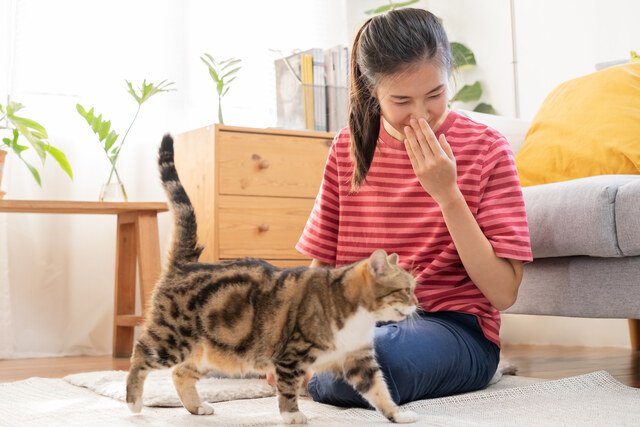
Pet facilities, grooming centers, litter boxes, and animal housing areas can generate odors from biological waste and moisture accumulation.
Moisture and Mold
Poor ventilation and excess humidity can lead to mold and mildew growth. These microorganisms often produce musty smells that can spread throughout a building.
Gyms and Locker Rooms
Sweat, moisture, clothing, and limited airflow can contribute to unpleasant odors in fitness centers and changing rooms.

Why Odor Control Matters
Odors affect more than comfort. They can influence how people perceive cleanliness, hygiene, and quality.
For businesses, unpleasant smells can impact customer satisfaction and brand reputation. A restaurant with strong cooking odors, a hotel room with a musty smell, or a gym with poor air quality may leave a negative impression on visitors, even if the facility is otherwise clean.
For homes and apartments, persistent odors can reduce comfort and affect overall quality of life.
Modern Odor Control Solutions
Today, a variety of technologies are available to help manage odor problems more effectively.
Ventilation Systems
Proper airflow helps remove contaminated air and introduce fresh air into a space. Good ventilation is often the first step in odor management.
Activated Carbon Filtration
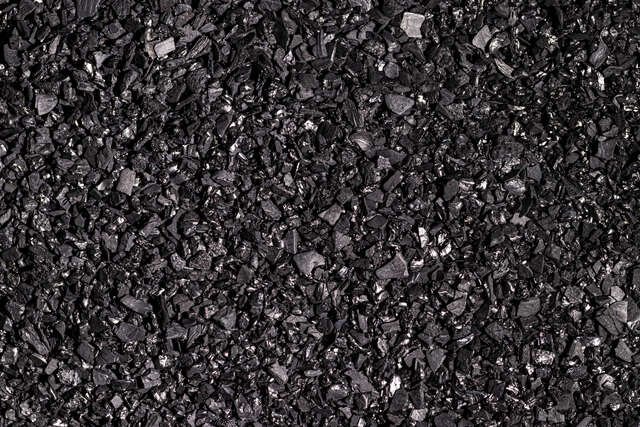
Activated carbon can adsorb many odor-causing compounds and is widely used in air purification systems.
UV Technologies
Certain UV-based systems can help reduce microorganisms that contribute to odor formation.

Ozone Technology
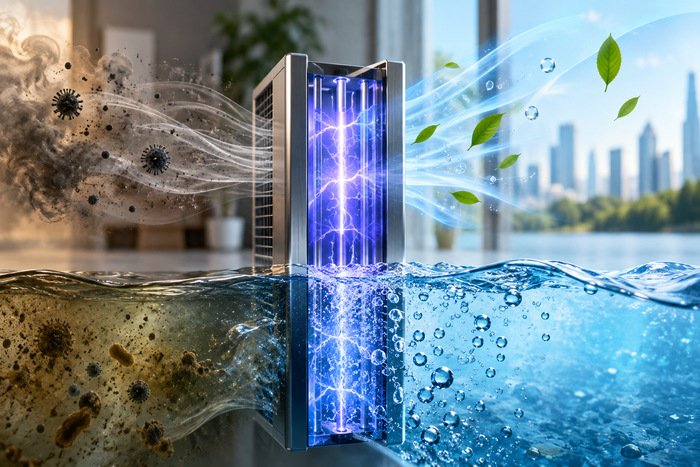
Ozone technology is one of the most effective solutions for odor treatment. Rather than masking smells, ozone works by oxidizing odor-causing molecules and helping break them down at their source.
Ozone is widely used for odor treatment in rooms, vehicles, waste areas, kitchens, and other enclosed environments. Because ozone eventually converts back to oxygen, it leaves no chemical residue after treatment when properly applied.
Conclusion
Unpleasant odors are often a sign of underlying contamination, biological activity, or poor air quality. Simply covering smells with fragrances may provide temporary relief, but it does not solve the root cause of the problem.
Effective odor control requires identifying the source of the odor and applying appropriate solutions to eliminate it. Modern technologies such as ventilation, activated carbon filtration, UV systems, and ozone treatment provide more effective approaches to managing odors and creating cleaner, healthier environments.
As awareness of indoor air quality continues to grow, businesses and homeowners are increasingly adopting advanced odor control strategies to improve comfort, hygiene, and customer experience.