
A few months ago, I ordered a bamboo charcoal odor absorber from Amazon.
Like many people, I had a persistent odor under my kitchen sink. The product promised to absorb odors naturally, so I placed one of the bamboo charcoal bags under the sink and waited.
A few days passed.
Then a week.
The odor was still there.
At first, I thought the product might be defective. But after reading more about bamboo charcoal and activated carbon, I realized something important:
Not all charcoal is activated carbon, and not every charcoal product is designed to remove odors effectively.
Today, bamboo charcoal bags are sold everywhere for closets, shoes, refrigerators, cars, bathrooms, and kitchens. While some of these products may provide limited odor reduction in small enclosed spaces, many people mistakenly believe that any charcoal can perform like activated carbon.
The truth is more complicated.
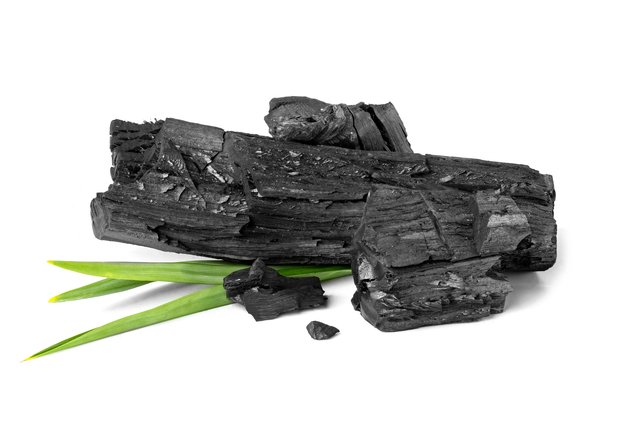
What Is Bamboo Charcoal?
Bamboo charcoal is produced by heating bamboo at high temperatures in a low-oxygen environment.
The result is a lightweight black charcoal that has been used for centuries as a natural fuel and moisture absorber.
Because bamboo charcoal contains pores, it can adsorb a small amount of moisture and certain odor molecules.
For small enclosed spaces such as drawers or closets, it may help reduce mild odors over time.
However, ordinary bamboo charcoal is very different from activated carbon.
What Is Activated Carbon?
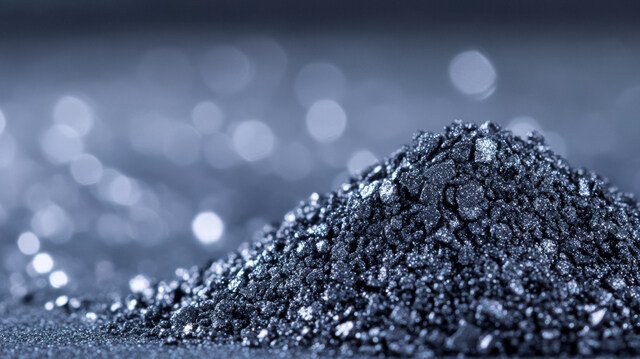
Activated carbon is charcoal that has undergone an additional activation process using steam or chemicals.
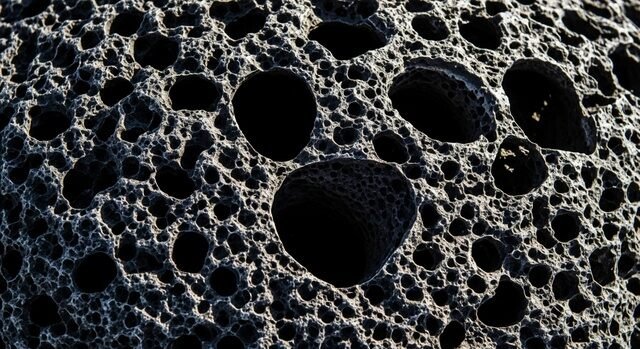
This process creates millions of microscopic pores, dramatically increasing the available surface area.
A single gram of high-quality activated carbon can have a surface area of more than 1,000 square meters.
This enormous surface area allows activated carbon to adsorb significantly more odor-causing gases, VOCs, and contaminants than ordinary charcoal.
This is why activated carbon is widely used in:
- Air purifiers
- HVAC systems
- Water treatment plants
- Commercial kitchens
- Industrial odor control systems
- Respirator filters
- Laboratory filtration
Does Every Charcoal Remove Odors?
The simple answer is no.
Although many charcoal products can adsorb small amounts of moisture, not every charcoal has the pore structure required for efficient odor removal.
Ordinary charcoal mainly contains larger pores and has a much smaller internal surface area.
Activated carbon has an extensive network of microscopic pores specifically designed for adsorption.
As a result, activated carbon performs much better when removing:
- Cooking odors
- Smoke
- VOCs
- Pet odors
- Chemical vapors
- Many organic gases
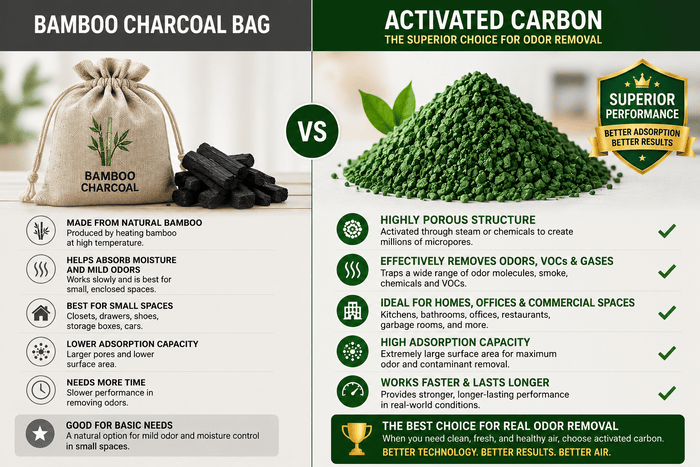
Bamboo Charcoal vs. Activated Carbon
| Bamboo Charcoal | Activated Carbon |
|---|---|
| Natural charcoal | Activated filtration media |
| Limited adsorption | Very high adsorption capacity |
| Helps absorb moisture | Removes odors and VOCs efficiently |
| Suitable for mild odors | Suitable for demanding odor control |
| Passive applications | Residential, commercial, and industrial filtration |
Both materials have their place, but they are not designed for the same level of performance.
Why Bamboo Charcoal Sometimes Seems to Work
Many people report positive experiences with bamboo charcoal bags.
In small enclosed spaces such as:
- Shoes
- Drawers
- Closets
- Gym bags
- Storage boxes
there is very little air movement.
Over time, odor molecules naturally diffuse toward the charcoal surface, allowing some adsorption to occur.
This explains why bamboo charcoal may reduce mild odors in these environments.
However, this process is relatively slow.
Why Bamboo Charcoal Often Disappoints
Problems begin when people expect bamboo charcoal bags to clean the air in larger spaces.
For example:
- Kitchens
- Living rooms
- Offices
- Warehouses
- Restaurants
In these environments, air is constantly moving and new odor molecules are continuously produced.
Without sufficient adsorption capacity and proper airflow through the filtration media, bamboo charcoal cannot remove odors quickly enough to make a noticeable difference.
That is why many users feel disappointed after purchasing bamboo charcoal odor bags.
Why Activated Carbon Is the Better Choice
When effective odor removal is required, activated carbon is generally the preferred solution.
Activated carbon offers:
- Much larger surface area
- Higher adsorption capacity
- Better VOC removal
- Better smoke removal
- Better cooking odor removal
- Better performance in engineered filtration systems
For homes, offices, restaurants, commercial kitchens, garbage rooms, and industrial applications, activated carbon provides significantly better odor control than ordinary bamboo charcoal.
Should You Avoid Bamboo Charcoal?
Not at all.
Bamboo charcoal still has useful applications.
It can be a simple, natural option for:
- Closets
- Shoe cabinets
- Drawers
- Storage boxes
- Small enclosed spaces
- Moisture reduction
However, if your goal is to eliminate persistent odors, smoke, cooking smells, VOCs, or chemical gases, activated carbon is usually the more effective solution.
Choosing the right material depends on the problem you are trying to solve.
Does the Bag Material Really Matter?
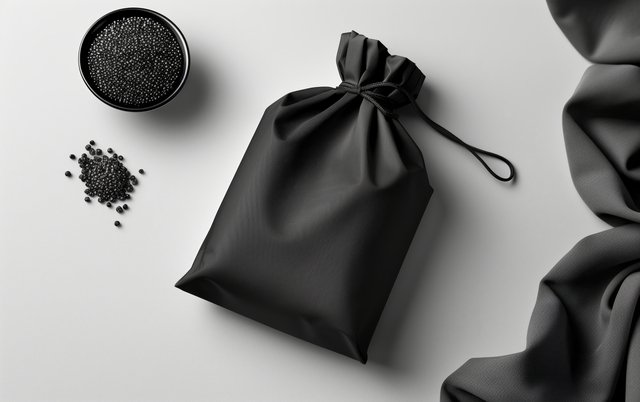
When shopping for an odor-removing bag, you may find two products that look almost identical: a bamboo charcoal bag and an activated carbon bag.
So, if both are simply bags sitting in a closet, car, shoe cabinet, or room, does choosing activated carbon really make a difference?
Yes, but the material inside the bag is only part of the story.
An activated carbon bag generally has a higher adsorption capacity than a bag containing ordinary bamboo charcoal because activated carbon has a much larger internal surface area.
Odor molecules must naturally reach the adsorbent before they can be captured. This means the real-world performance of either bag depends on several factors:
- Amount of carbon: A bag containing more adsorbent has more material available to capture odor molecules.
- Carbon quality: Not all activated carbon has the same pore structure or adsorption capacity.
- Air movement: Some natural air circulation helps odor molecules reach the carbon.
- Size of the space: A small shoe cabinet is very different from a bedroom or kitchen.
- Type and strength of the odor: Mild enclosed-space odors are easier for passive bags to manage than continuously generated cooking, smoke, sewage, or chemical odors.
- Humidity: Water vapor can compete for adsorption sites and affect the performance of some carbon materials.
Which Bag Should You Choose?
For a small enclosed space with a mild odor, both products may provide some benefit.
But if you are choosing between two similarly sized bags, an activated carbon bag is generally the better option for odor adsorption, provided it contains good-quality activated carbon in a meaningful quantity.
For larger spaces or persistent odors, however, simply switching from a bamboo charcoal bag to an activated carbon bag may not solve the problem.
In these situations, the bigger question is not just “Which carbon should I use?” but also “How will the contaminated air actually reach the carbon?”
That is why activated carbon performs much more effectively when it is used in a properly designed filtration system where air is actively moved through the carbon media.

Where Can You Use Activated Carbon Bags?
Activated carbon bags are generally more effective than ordinary bamboo charcoal bags because activated carbon has a much larger internal surface area and a higher capacity for adsorbing many odor-causing compounds.
They are most suitable for small, enclosed spaces with mild to moderate odors.
In the Car
Place an activated carbon bag under a seat, inside a door pocket, or near an area with natural air circulation. It may help reduce lingering food, pet, or general interior odors. However, spills, damp carpets, cigarette residue, and dirty cabin air filters should be cleaned or replaced first.
In a Shoe Cabinet
Shoe cabinets are an ideal location for activated carbon odor bags because they are small and enclosed. Place the bag where air can circulate around both sides instead of hiding it behind shoes or covering it with other objects.
In a Wardrobe or Clothes Closet
Hang the activated carbon bag between clothes or place it on an open shelf. It can help control mild odors inside wardrobes and closets, especially where the space remains closed for long periods.
In the Bathroom
An activated carbon bag may help reduce some airborne bathroom odors. However, it cannot replace ventilation, cleaning, or repairs when the smell is caused by drains, sewage, leaks, or mold. High humidity may also reduce the carbon’s adsorption performance.
Under the Kitchen Sink
Place the bag near the odor source without allowing it to become wet. Activated carbon can help with mild enclosed-space odors, but leaks, mold, food waste, and drainage problems must be identified and corrected first.
In Gym Bags and Sports Equipment
Activated carbon bags can be placed inside gym bags, lockers, or near sports shoes to help reduce lingering odors. Allow damp clothing and equipment to dry before closing the bag inside the space.
In Drawers and Storage Boxes
Small activated carbon bags can help manage stale or mild odors inside drawers, suitcases, storage boxes, and other compact areas.
For better performance, keep the bag close to the odor source and make sure air can move around it. Do not cover the bag or place it inside another sealed package. For large rooms or continuously generated odors, a passive activated carbon bag may not be sufficient; a fan-assisted activated carbon filtration system is usually more effective.
Where to place charcoal bags in home?
For better odor removal, place the activated carbon bag close to the odor source where air can circulate around it and pass over the carbon media.
Do not cover the bag or place it tightly behind other objects. Activated carbon bags work more effectively when odor-carrying air can reach the carbon surface.
In larger spaces or where odors are continuously produced, passive airflow may not be sufficient. A fan-assisted system that moves air through the activated carbon will provide better performance.
How Often Should You Replace Bags?
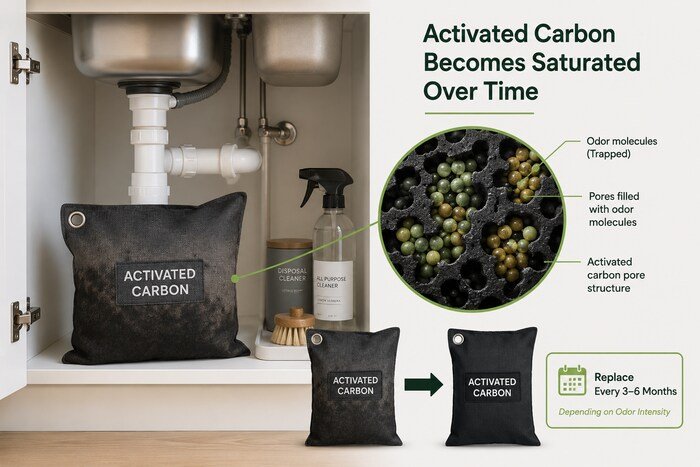
Activated carbon has a limited adsorption capacity. Over time, its microscopic pores fill with odor-causing compounds, and the carbon becomes saturated.
As a general guide, replace the bag every three to six months. The replacement time mainly depends on the amount and intensity of the odor. In areas with stronger or continuously generated odors, the bag may become saturated sooner.
If the odor returns or the bag becomes less effective, it should be replaced.
Conclusion
Not every charcoal is activated carbon, and not every charcoal product is capable of providing professional odor control.
While bamboo charcoal may offer modest benefits for moisture absorption and mild odor reduction in small enclosed spaces, it should not be expected to perform like activated carbon.
If you are dealing with persistent indoor odors, cooking smells, smoke, VOCs, or commercial odor problems, selecting a filtration system that uses high-quality activated carbon is generally the most effective and reliable solution.
Understanding the difference between bamboo charcoal and activated carbon helps you choose the right product—and avoid spending money on solutions that may not match your expectations.