Fresh fruits and cut flowers continue to change after harvest. One of the factors that can affect their quality and storage life is ethylene, a natural plant hormone involved in fruit ripening and the aging of many flowers.
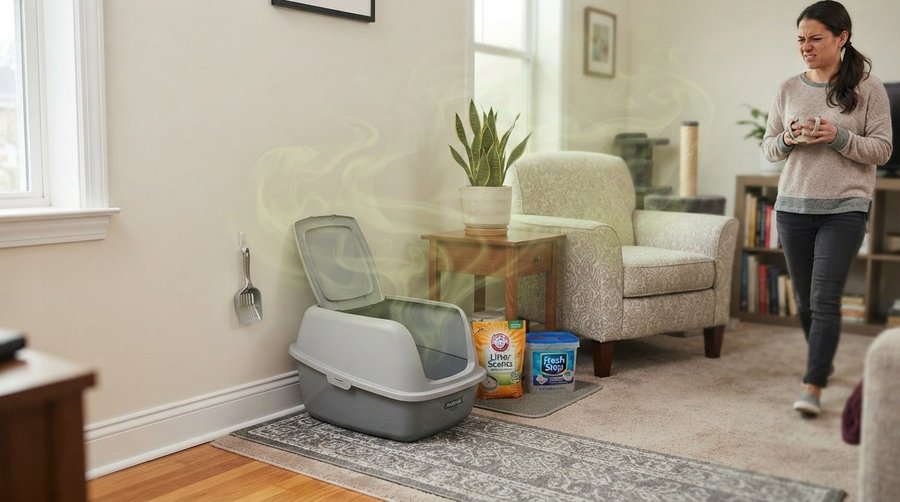
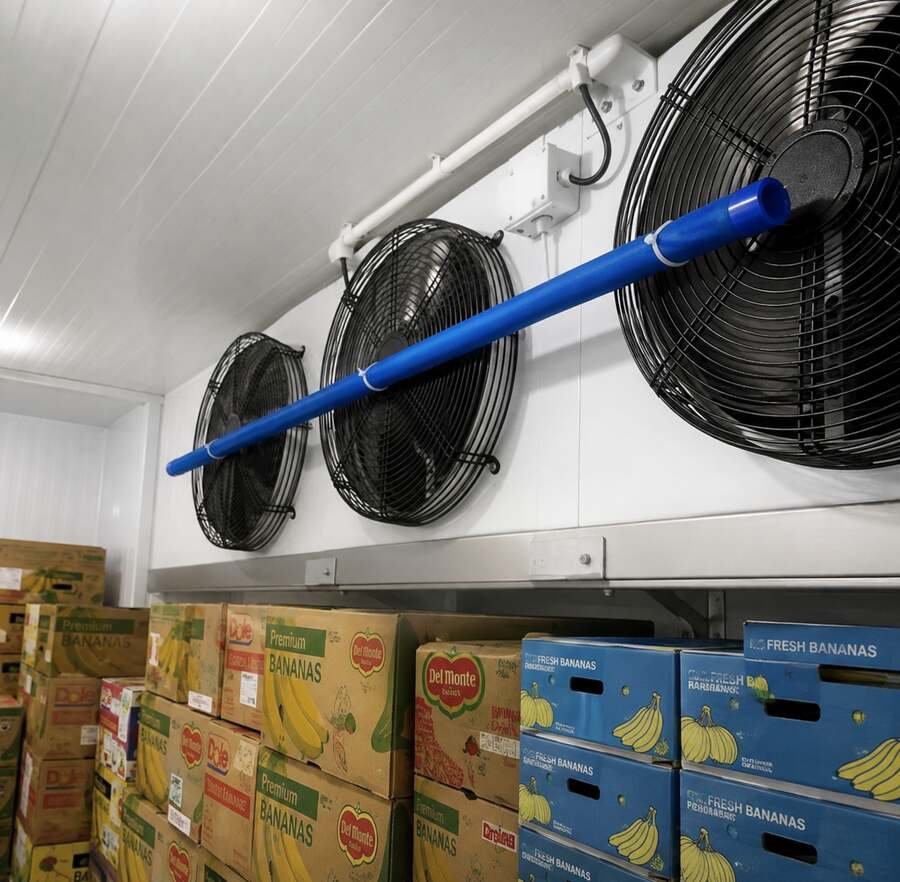
In enclosed environments such as cold rooms, flower coolers, storage areas, and refrigerated transport, ethylene can accumulate in the air. For ethylene-sensitive fruits and flowers, controlling this buildup can help maintain quality and reduce premature ripening, aging, or deterioration.
One practical solution is an ethylene filter tube — a ready-to-use filter designed to help remove ethylene from circulating air during storage and transportation.
What Is an Ethylene Filter Tube?
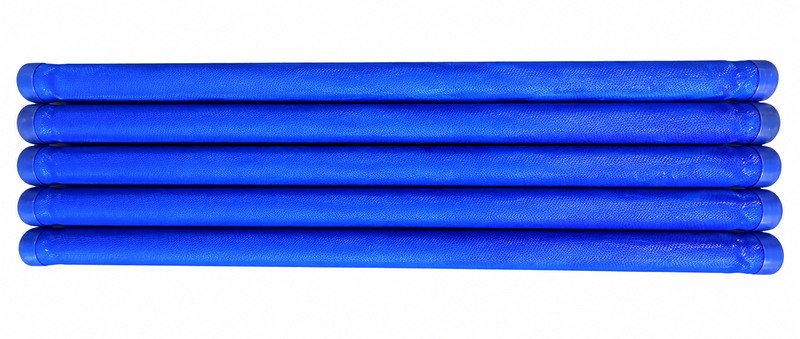
An ethylene filter tube is a compact filter designed to reduce ethylene from the surrounding air.
Its tube format makes it easy to position inside suitable storage environments without handling loose filtration media.
The objective is simple: reduce ethylene accumulation and create better storage conditions for fresh fruits and ethylene-sensitive flowers.
How Is an Ethylene Filter Tube Used?
Correct placement is important. The filter should normally be installed where there is air circulation, allowing ethylene-containing air to pass through or around the filter.
Depending on the application, ethylene filter tubes can be used in:
- Fruit and vegetable cold rooms
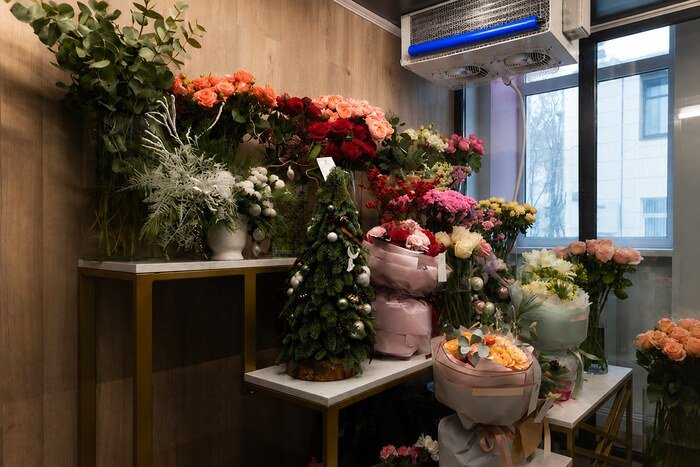
- Flower shop coolers and refrigerators
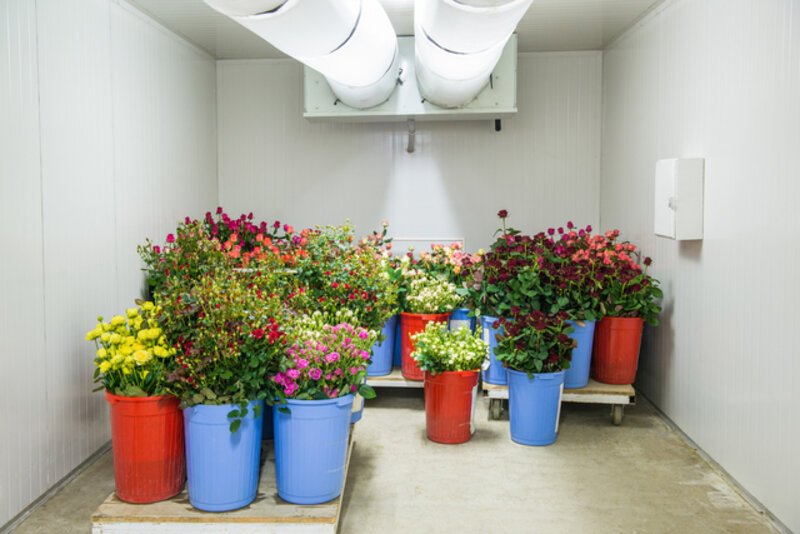
- Flower storage rooms
- Fresh produce warehouses
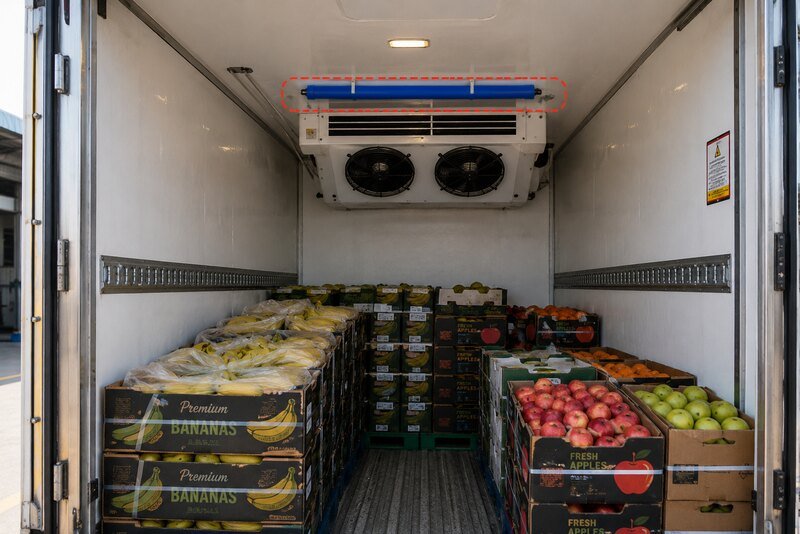
- Refrigerated transport environments
- Distribution and logistics facilities
The appropriate number and positioning of filters depends on the application, storage volume, airflow, and amount of produce or flowers stored.
Why Is Ethylene Control Important for Flower Businesses?
Ethylene is not only an issue for fruit.
Many cut flowers are sensitive to ethylene. Exposure can contribute to problems such as premature aging, flower drop, petal damage, reduced opening quality, and shorter vase life, although sensitivity varies between flower species and varieties.
For flower shops, florists, importers, and wholesalers, even an improvement in postharvest quality can be valuable because flowers have a limited selling window.
Ethylene control can therefore become part of a broader flower-storage strategy alongside correct temperature, hydration, hygiene, and careful handling.
According to UC Davis Postharvest Research, carnations are highly sensitive to ethylene exposure, which can cause premature flower aging and reduce their postharvest quality
What Are the Benefits of Ethylene Filter Tubes?
Ethylene filters do not stop the natural aging or ripening process. Their purpose is to help control unnecessary ethylene exposure.
Depending on the product and storage conditions, ethylene control can support:
- Better control of fruit ripening
- Longer marketable quality of sensitive produce
- Better storage conditions for ethylene-sensitive flowers
- Reduced risk of premature flower aging
- More flexibility during transportation and distribution
- Potential reduction in avoidable fruit and flower waste
For businesses, the important benefit is having more control over the time between receiving the product and selling or distributing it.
Who Can Benefit from Ethylene Filter Tubes?
Ethylene filters can be useful for a wide range of businesses, including fruit importers and exporters, fruit distributors, cold-storage operators, supermarkets, flower shops, florists, flower wholesalers, flower importers, floral distribution centers, and logistics companies.
This is particularly relevant in the UAE, where fruits and fresh-cut flowers may travel long distances before reaching wholesalers, retailers, hotels, restaurants, or consumers.
What Determines Ethylene Filter Performance?
There is no single performance or service-life number that applies to every application.
The actual performance of an ethylene filter depends on several factors:
Filter capacity: Different filter sizes and capacities are suitable for different applications.
Ethylene load: Higher ethylene levels can use the filter’s available capacity faster.
Product type: Different fruits, vegetables, and flowers produce or respond to different levels of ethylene.
Quantity stored: A few boxes of fruit or flowers create very different conditions from a warehouse containing several tonnes of produce or thousands of flower stems.
Stage of ripening: Actively ripening fruit can create a higher ethylene load.
Storage volume: Larger rooms may require different filter quantities or configurations.
Airflow: Good circulation helps bring ethylene-containing air into contact with the filter.
Temperature and humidity: Storage conditions can influence ethylene production and overall filter performance.
How Long Does One Ethylene Filter Tube Last?
There is no universal answer such as one month, three months, or six months.
A filter operating in a small flower cooler with a relatively low ethylene load may have a different service life from the same filter used in a busy fruit storage facility containing large quantities of ripening produce.
Service life therefore depends on filter capacity, ethylene concentration, amount and type of produce or flowers, room volume, airflow, temperature, humidity, and operating conditions.
For commercial applications, filter replacement should follow the manufacturer’s capacity guidance and, where appropriate, be confirmed through actual operating experience or testing.
Choosing the Right Ethylene Filter
Instead of starting with “How long does one filter last?”, it is better to start with the conditions of your application.
What are you storing? How much? What is the size of the cold room or cooler? How is air circulated? How long do the products normally remain in storage?
These details help determine a more suitable solution.
If you are looking for ethylene filter tubes for fruit storage, flower shops, florists, cold rooms, transportation, or distribution in the UAE, contact Darbune.
Tell us about your application, storage size, and products, and we can help you evaluate the appropriate ethylene-control solution.
Ethylene Absorber Filter Tube
-

Ethylene Absorber Filter Tube
د.إ 125.00