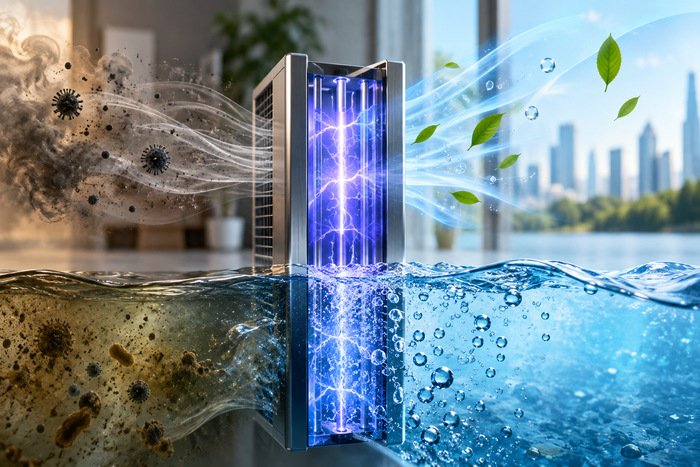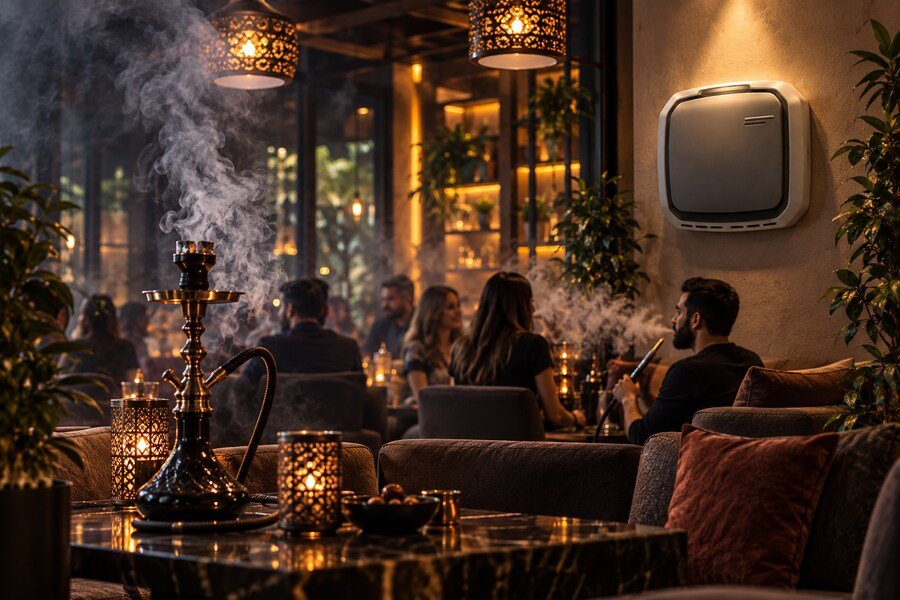

When people notice unpleasant odors in a restaurant, gym, hotel, apartment, or vehicle, they often assume the problem is simply a bad smell. In reality, many odors are caused by compounds known as VOCs (Volatile Organic Compounds).
Understanding VOCs is essential for improving indoor air quality, creating healthier environments, and effectively eliminating persistent odors.
What Are VOCs?
VOCs, or Volatile Organic Compounds, are organic chemicals that easily evaporate into the air at room temperature.
These compounds are released from a wide range of materials and activities that we encounter every day. Once released, they can accumulate indoors and contribute to unpleasant odors, poor air quality, and potential health concerns.
Many of the smells people associate with cooking, smoke, chemicals, paint, cleaning products, or pet areas are actually caused by VOCs.

Common Sources of VOCs
VOCs can be found almost everywhere.
Restaurants and Commercial Kitchens
Commercial kitchens are among the largest producers of VOCs due to:
- Cooking oils
- Grilling and frying
- Meat preparation
- Spices and seasonings
- Smoke and grease vapors
These compounds can remain in the air long after cooking has stopped and often contribute to lingering kitchen odors.
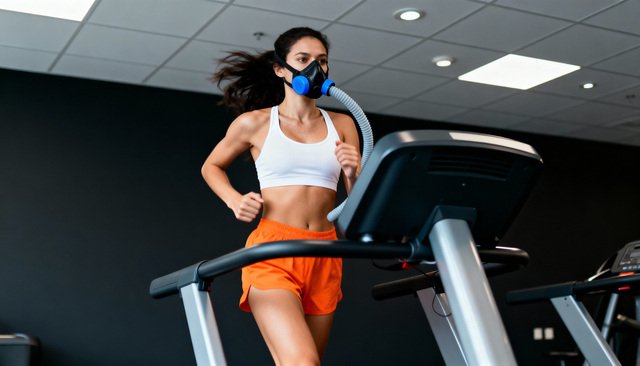
Gyms and Fitness Centers
Fitness facilities can generate VOCs from:
- Human perspiration
- Rubber flooring
- Cleaning chemicals
- Equipment materials
This combination often creates the persistent odors commonly associated with gyms.

Homes and Apartments
Many household items release VOCs, including:
- Paints
- Adhesives
- Furniture
- Carpets
- Cleaning products
- Air fresheners
Even newly renovated spaces can contain elevated VOC levels for months.
Vehicles
Cars frequently contain VOCs from:
- Interior plastics
- Upholstery
- Dashboard materials
- Cigarette smoke
- Food residues
This is one reason why some vehicles develop strong odors that are difficult to remove.
Health Effects of VOC Exposure
The impact of VOCs depends on the concentration and duration of exposure.
Short-term exposure may cause:
- Headaches
- Eye irritation
- Nose and throat irritation
- Fatigue
- Dizziness
Long-term exposure to certain VOCs may contribute to more serious health concerns, including respiratory issues and other chronic health problems.
For businesses such as restaurants, gyms, hotels, and offices, maintaining good indoor air quality is not only important for health but also for customer satisfaction and brand reputation.

Why Traditional Air Fresheners Are Not Enough
Many businesses attempt to solve odor problems using fragrances or air fresheners.
However, these products often mask odors rather than eliminate the source.
If VOCs remain present in the air, the underlying problem continues to exist even if the space temporarily smells better.
True odor control requires reducing or removing VOCs from the environment.
Technologies Used to Remove VOCs
Several technologies are available to help reduce VOC concentrations and improve air quality.
Activated Carbon Filters
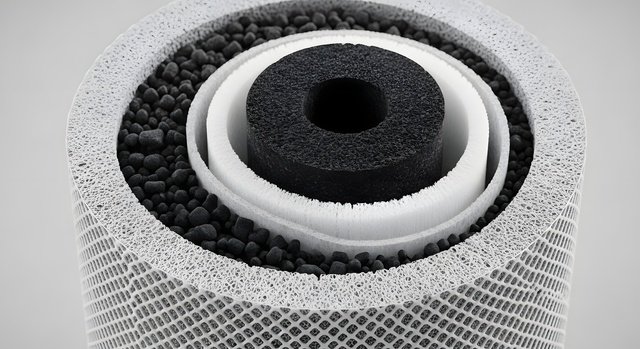
Activated carbon is one of the most widely used odor-control technologies.
It works by trapping VOC molecules within its highly porous structure.
Benefits include:
- Effective odor reduction
- Safe for occupied spaces
- Low operating cost
However, activated carbon does not destroy VOCs. It captures them and eventually becomes saturated, requiring replacement.
Ozone Treatment
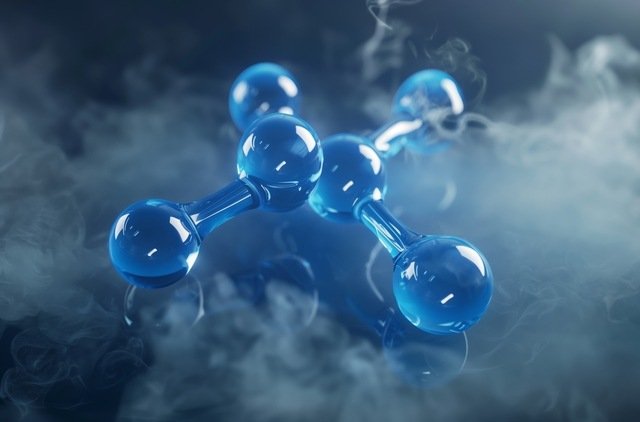
Ozone is a powerful oxidizing agent capable of breaking down many VOCs and odor molecules.
Benefits include:
- Strong odor removal performance
- Effective against smoke, food odors, and pet odors
- Can destroy many VOC compounds
Because ozone can be harmful at elevated concentrations, treatment should only be performed in unoccupied spaces and followed by proper ventilation.
PCO Technology (UV + Titanium Dioxide)
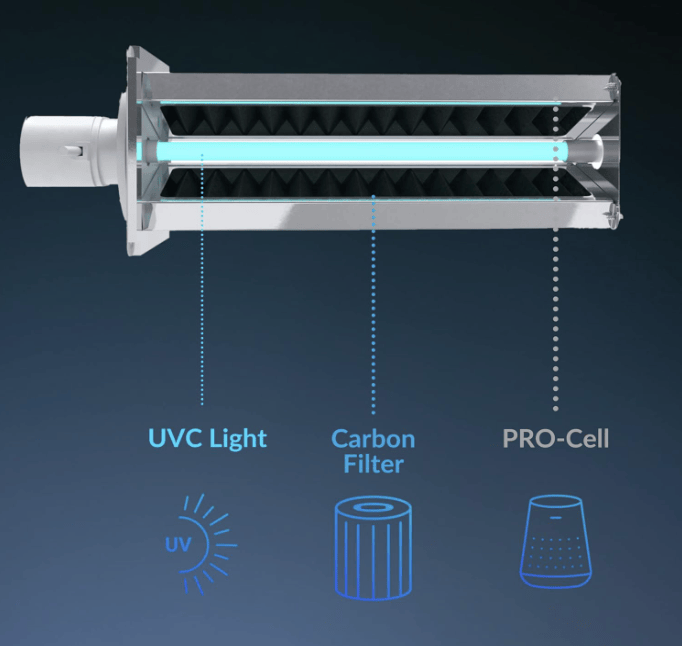
Photocatalytic Oxidation (PCO) combines UV light with a titanium dioxide (TiO₂) catalyst.
This process generates highly reactive compounds that help oxidize VOCs and reduce odors.
Benefits include:
- Continuous air treatment
- Reduced VOC levels
- Suitable for many occupied environments
PCO systems are increasingly used in commercial air purification applications.
The Future of Odor Control
As awareness of indoor air quality grows, businesses are moving beyond simply masking odors and focusing on eliminating their sources.
Restaurants, gyms, hotels, residential buildings, and commercial facilities are increasingly adopting advanced technologies such as activated carbon filtration, PCO systems, and ozone treatment to address VOC-related air quality issues.
By understanding VOCs and implementing effective air purification strategies, businesses can create healthier, fresher, and more comfortable indoor environments for customers, employees, and residents.
At Darbune, we believe that true odor control starts by addressing the source of the problem, not simply covering it up.