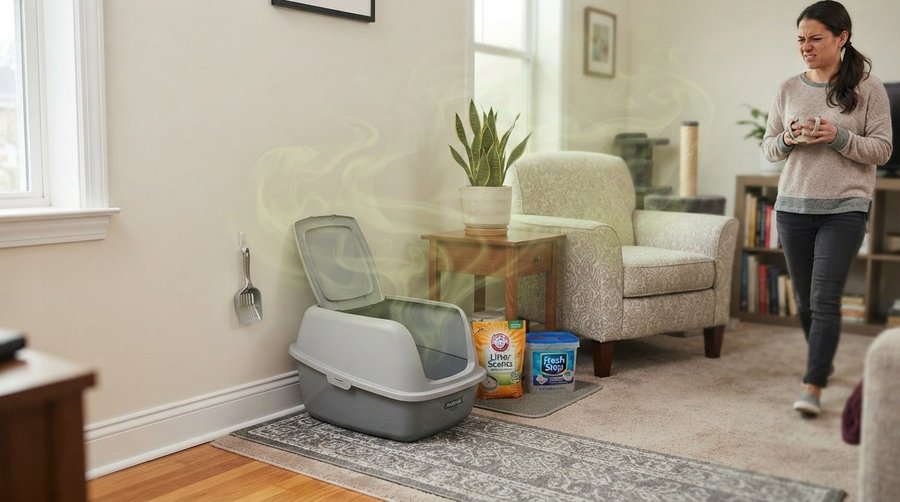

Modern companies invest heavily in office design, ergonomic furniture, advanced technology, and employee wellness. However, one important factor that is often overlooked is indoor air quality and workplace odors.
An unpleasant smell in the office may seem like a small issue, but it can significantly affect employee comfort, concentration, and productivity. Whether the odor comes from the office pantry, garbage bins, body odor, smoke, or chemical products, it creates a distraction that employees experience throughout the day.
Choosing the best odor eliminator for office environments is no longer simply about making the workplace smell pleasant. It is about creating a healthier, more comfortable environment where employees can focus on their work instead of being distracted by unpleasant odors.

Why Workplace Odors Reduce Productivity
The human sense of smell is directly connected to the brain. When an unusual or unpleasant odor is present, people naturally become aware of it.
Instead of concentrating on their tasks, employees often find themselves wondering:
- Where is that smell coming from?
- Is something burning?
- Did someone heat fish in the pantry?
- Is there a problem with the air conditioning?
Even if these thoughts last only a few seconds, they interrupt concentration. When these interruptions happen repeatedly throughout the day, they contribute to mental fatigue and reduce productivity.
A clean, fresh-smelling workplace helps employees stay focused, comfortable, and engaged.
Common Sources of Office Odors
Office Pantry
The pantry is one of the largest sources of odors in many offices.
Microwaved fish, fried food, garlic, onions, curry, spicy meals, coffee, and leftover food often produce strong odors that remain in the air for hours. Without proper ventilation or odor filtration, these smells can spread into nearby offices, meeting rooms, and corridors.
In some companies, pantry odors become so unpleasant that employees avoid spending time there. Some even decide not to eat lunch in the office because the smell makes the environment uncomfortable.
A pantry should be a place where employees relax and recharge—not a place they avoid.
Garbage and Waste Areas
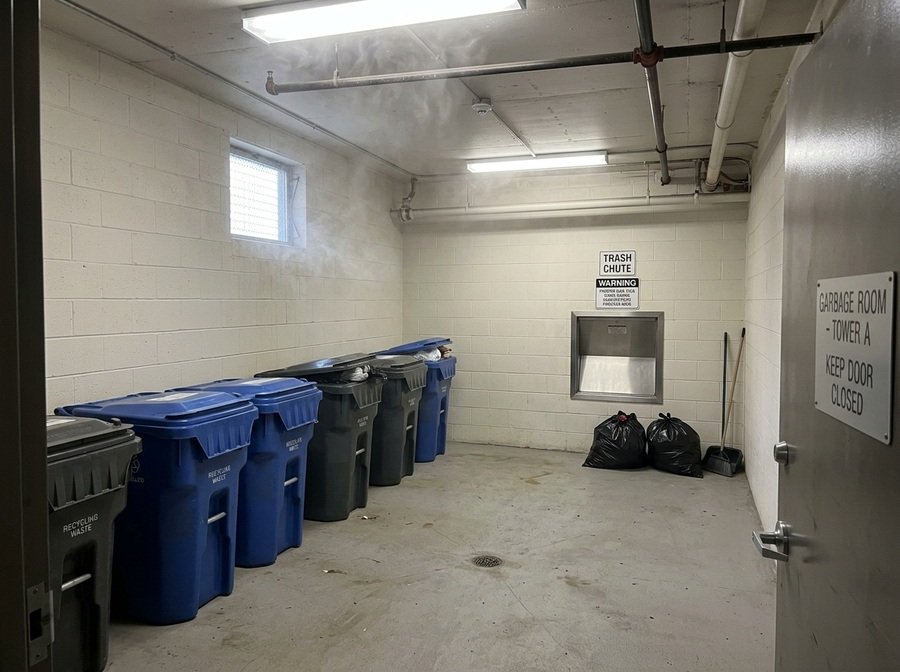
Office waste bins frequently contain leftover food, coffee cups, fruit peels, and organic waste.
As these materials decompose, they release unpleasant gases such as hydrogen sulfide (H₂S), ammonia (NH₃), mercaptans, and other odor-causing compounds that may spread into surrounding office areas.
Body Odor
Body odor is a sensitive topic, but it exists in every workplace.
In crowded offices or buildings with poor ventilation, body odors can accumulate and create discomfort for nearby employees. Although this should always be addressed respectfully, improving indoor air quality can significantly reduce its impact on the workplace.
Chemical Products and VOCs
Cleaning products, paints, adhesives, office furniture, carpets, printers, and other office materials may release Volatile Organic Compounds (VOCs) into the air.
Although these products are essential for maintenance and hygiene, they can also contribute to unpleasant odors and reduce perceived indoor air quality.

Why Air Fresheners Are Not Enough
Many companies rely on scented sprays or air fresheners as an odor eliminator for office spaces.
Unfortunately, most of these products simply mask unpleasant odors instead of removing the compounds responsible for them. Once the fragrance fades, the original odor usually returns.
A true office odor eliminator should eliminate odor-causing contaminants rather than covering them with another scent.
What Makes the Best Office Odor Eliminator?
The best odor eliminator for office environments should improve indoor air quality while removing the contaminants responsible for unpleasant smells.
Depending on the workplace, these contaminants may include:
- Cooking odors
- Smoke
- VOCs
- Grease particles
- Food waste gases
- Moisture-related odors
Since these pollutants have different chemical properties, no single technology can effectively eliminate every type of office odor.
Modern Office Odor Control Solutions
Activated Carbon
Activated carbon is one of the most effective filtration technologies for removing cooking odors, smoke, VOCs, and many organic compounds. It continuously adsorbs odor-causing molecules instead of masking them, making it one of the most practical and cost-effective solutions for offices, meeting rooms, corridors, and office pantries.
Photocatalytic Oxidation (PCO)
Photocatalytic Oxidation (PCO) combines UV light with a catalyst surface to help break down VOCs and certain odor-causing gases at the molecular level. Depending on the application, PCO can help reduce odors associated with VOCs, hydrogen sulfide (H₂S), ammonia (NH₃), and other airborne contaminants.
Hydroxyl Generators
Hydroxyl generators produce naturally occurring hydroxyl radicals that react with airborne contaminants and odor-causing compounds. Because hydroxyl technology can typically operate while people are present, it is suitable for offices that require continuous odor control throughout the working day.
Ozone Treatment
Ozone is one of the most powerful technologies available for severe odor removal. It works by oxidizing odor-causing molecules rather than masking them.
Ozone can be highly effective for smoke odors, food odors, mold contamination, and persistent odor problems.
However, ozone is not intended for continuous 24-hour use in occupied office spaces. It is generally used as a short-term shock treatment after working hours when employees are no longer present. Once the treatment is complete, the office should be properly ventilated before employees return.
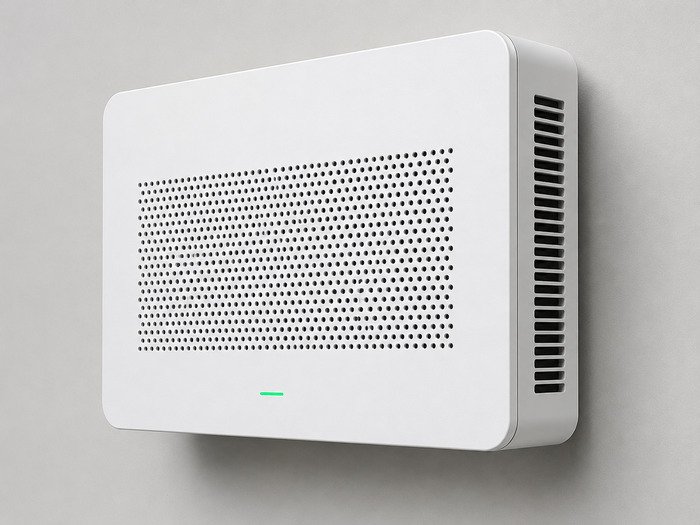
Which Office Odor Eliminator Is the Best?
There is no single solution that works for every office.
For many businesses, activated carbon filtration provides one of the best balances between cost, maintenance, and performance for controlling everyday odors caused by cooking, smoke, VOCs, and general indoor air pollution.
For workplaces with more complex odor problems, technologies such as PCO, hydroxyl generators, and ozone treatment can provide additional odor control depending on the source and severity of the odor.
The most effective office odor control systems often combine multiple technologies to create cleaner air, improve employee comfort, and support a healthier and more productive workplace.

Conclusion
Employees spend eight or more hours each day in the workplace. The quality of the office environment directly influences how they feel, think, and perform.
Persistent odors from office pantries, garbage areas, body odor, smoke, or chemical emissions can distract employees, reduce concentration, and make the workplace less enjoyable.
Investing in an effective office odor eliminator is not simply about removing unpleasant smells—it is about improving employee well-being, creating a more comfortable workplace, and supporting productivity.
The best odor eliminator for office environments is one that removes odor-causing contaminants instead of masking them. By selecting the right odor control technology, companies can create cleaner air, a better employee experience, and a healthier workplace where people can focus on what matters most—their work.