
Causes, Symptoms, and Solutions for Healthier Buildings
Modern buildings are designed to provide comfort, energy efficiency, and productive working environments. Advanced HVAC systems, sealed windows, and improved insulation help reduce energy consumption and operating costs. However, these same features can sometimes create an unintended problem—poor indoor air quality.
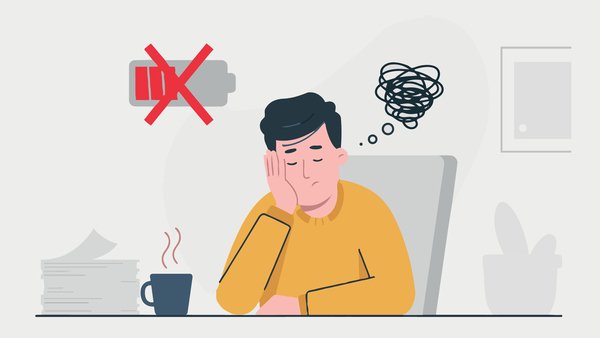
Many employees spend eight or more hours each day inside office buildings. When indoor air becomes contaminated by chemicals, odors, biological pollutants, or poor ventilation, occupants may begin experiencing headaches, fatigue, eye irritation, difficulty concentrating, and other symptoms that disappear after leaving the building.
This condition is commonly known as Sick Building Syndrome (SBS). Today, SBS is recognized as one of the most important indoor environmental issues affecting offices, commercial buildings, schools, hospitals, hotels, and other occupied spaces worldwide.
What Is Sick Building Syndrome?
Sick Building Syndrome (SBS) describes a situation where people experience health problems or discomfort that appear to be directly related to time spent inside a particular building, without a single identifiable disease or medical cause.
Unlike infectious illnesses, SBS is usually the result of multiple environmental factors working together. Occupants often notice that their symptoms improve after leaving the building and return when they come back.
Because modern employees spend most of their working day indoors, even minor problems with indoor air quality can gradually affect comfort, health, and productivity.
Common Symptoms of Sick Building Syndrome
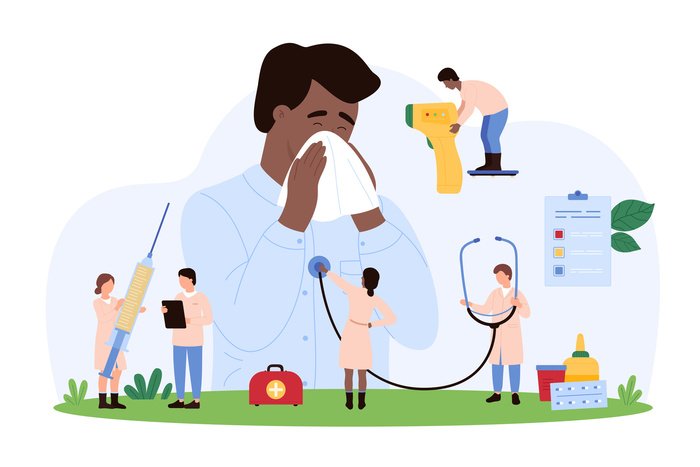
The symptoms of SBS vary from person to person and often resemble those of allergies or mild respiratory illnesses.
Common symptoms include:
- Frequent headaches
- Eye irritation or watery eyes
- Dry or itchy eyes
- Runny or blocked nose
- Dry throat
- Persistent coughing
- Dry skin
- Fatigue
- Dizziness
- Nausea
- Difficulty concentrating
- Mental exhaustion
- Reduced productivity
- Unpleasant sensitivity to odors
One of the most recognizable characteristics of Sick Building Syndrome is that these symptoms usually improve within a few hours after leaving the building.
How Sick Building Syndrome Affects Employee Productivity
Poor indoor air quality does more than affect physical health—it also affects business performance.
Employees who constantly work in uncomfortable indoor environments often struggle to remain focused throughout the day. Persistent odors, stale air, or chemical smells can continuously distract the brain.
Instead of concentrating fully on their work, employees may begin wondering:
- Where is that smell coming from?
- Is something burning?
- Why does the office feel stuffy?
- Is there a ventilation problem?
These repeated distractions reduce concentration and mental efficiency.
Poor indoor air quality may also contribute to:
- Lower productivity
- Increased fatigue
- Reduced creativity
- More mistakes
- Increased sick leave
- Lower employee satisfaction
- Reduced workplace morale
For organizations, improving indoor air quality is not only a health investment—it is also an investment in employee performance.
What Causes Sick Building Syndrome?
There is rarely a single cause of SBS. Instead, it usually results from multiple indoor pollutants and environmental conditions.
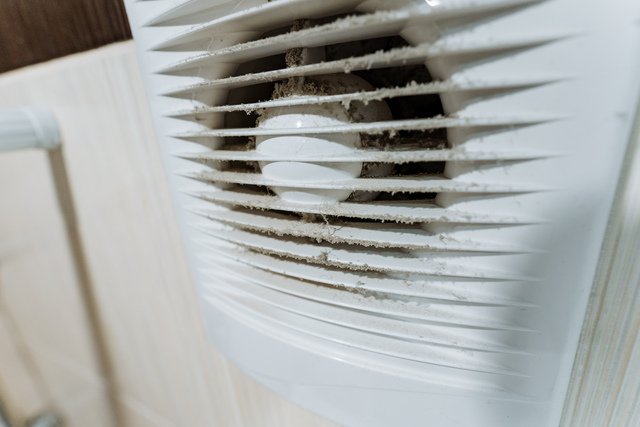
Poor Ventilation
Insufficient ventilation is one of the leading causes of Sick Building Syndrome.
Modern buildings often minimize outside air to improve energy efficiency. Without enough fresh air, pollutants gradually accumulate indoors.
Volatile Organic Compounds (VOCs)
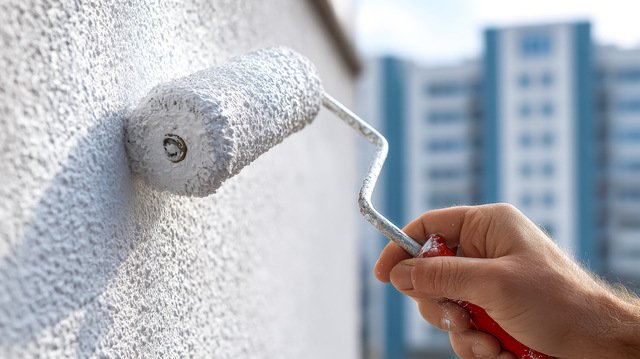
Many common office materials release Volatile Organic Compounds (VOCs) into the air.
Typical sources include:
- Paints
- Adhesives
- Carpets
- Furniture
- Cleaning chemicals
- Air fresheners
- Printers
- Office equipment
Long-term exposure to elevated VOC levels may contribute to headaches, eye irritation, fatigue, and discomfort.
Carbon Dioxide (CO₂)
High indoor carbon dioxide levels usually indicate poor ventilation.
Although CO₂ at typical indoor concentrations is not toxic, elevated levels can make employees feel sleepy, less alert, and less productive.
Formaldehyde
Formaldehyde is released from certain building materials, composite wood products, flooring, insulation, and furniture.
It may cause irritation of the eyes, nose, throat, and respiratory system.
Biological Contaminants
Moisture problems inside buildings encourage biological growth such as:
- Mold
- Mildew
- Bacteria
- Viruses
- Dust mites
- Pollen
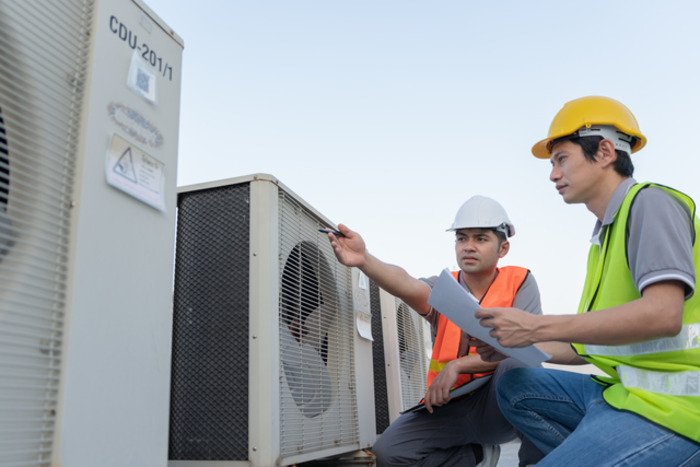
Poorly maintained HVAC systems may also spread biological contaminants throughout a building.
Odor-Causing Gases
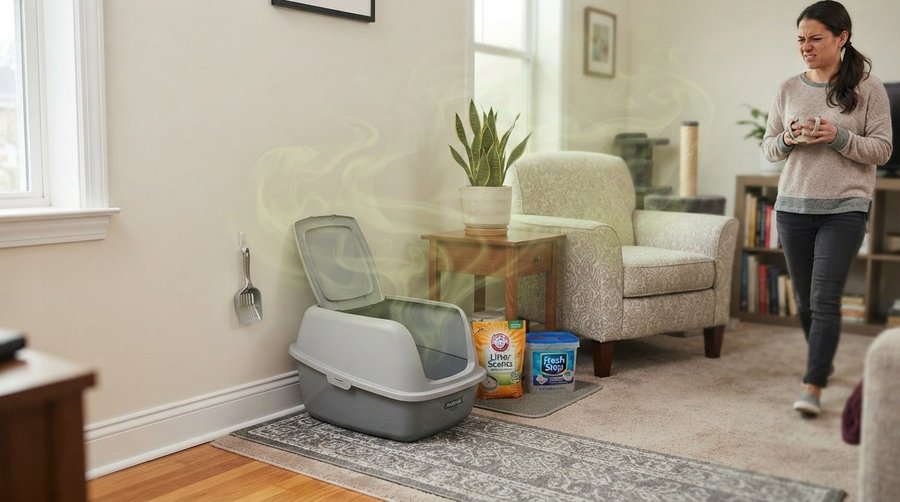
Persistent unpleasant odors often indicate poor indoor air quality.
Common odor-causing pollutants include:
- Hydrogen sulfide (H₂S)
- Ammonia (NH₃)
- Mercaptans
- Cooking odors
- Smoke
- VOC-related odors
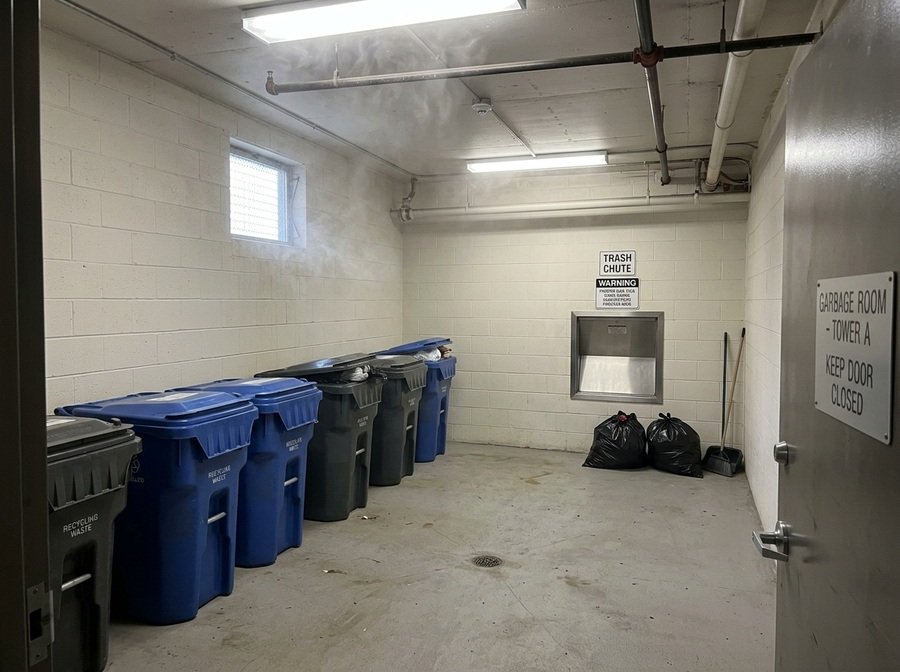
- Garbage decomposition gases
Although odors themselves are not always dangerous, they often signal the presence of airborne contaminants that reduce comfort and distract building occupants.
Why Indoor Air Quality Is So Important
People spend approximately 90% of their lives indoors.
Because of this, indoor air quality has become one of the most important environmental factors affecting health, comfort, and productivity.
A building may appear clean while still containing invisible pollutants that influence how people feel every day.
Good indoor air quality can help:
- Improve concentration
- Increase productivity
- Reduce fatigue
- Improve employee satisfaction
- Create a healthier workplace
- Enhance visitor experience
- Support long-term occupant well-being
Why Air Purification Is Becoming Essential
While ventilation is the first step toward improving indoor air quality, it is not always enough.
Many modern buildings are tightly sealed to improve energy efficiency, making it difficult to remove indoor pollutants through ventilation alone.
This is where air purification technologies become increasingly important.
Depending on the source of contamination, modern air purification systems can help reduce:
- VOCs
- Smoke
- Cooking odors
- Chemical fumes
- Odor-causing gases
- Airborne particles
- Biological contaminants
Advanced commercial systems often combine multiple technologies to improve overall indoor air quality while reducing unpleasant odors.
How to Prevent Sick Building Syndrome
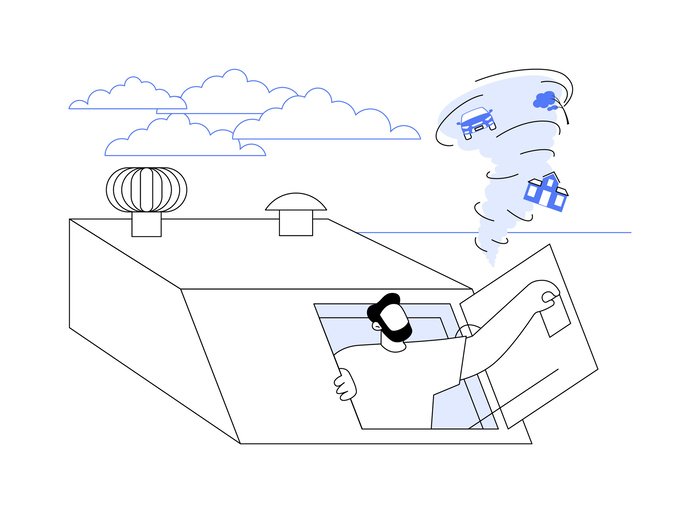
Building owners and facility managers can significantly reduce the risk of SBS by improving both building maintenance and indoor air quality.
Recommended practices include:
- Regular HVAC maintenance
- Increasing fresh air ventilation
- Monitoring indoor air quality
- Controlling indoor humidity
- Repairing water leaks immediately
- Removing mold contamination
- Reducing VOC emissions
- Using appropriate air purification systems
- Eliminating persistent odors instead of masking them
Preventive maintenance not only creates healthier buildings but also improves employee comfort and business performance.
Conclusion
Sick Building Syndrome is one of the most common indoor environmental challenges in modern workplaces. Although its symptoms may appear minor at first, long-term exposure to poor indoor air quality can affect employee health, concentration, productivity, and overall workplace satisfaction.
Creating healthier buildings requires more than comfortable furniture and attractive office design. Clean air, effective ventilation, proper building maintenance, and modern air purification technologies all play important roles in improving the indoor environment.
By identifying pollution sources, controlling odors, and improving indoor air quality, organizations can create workplaces where employees feel healthier, remain focused, and perform at their full potential.