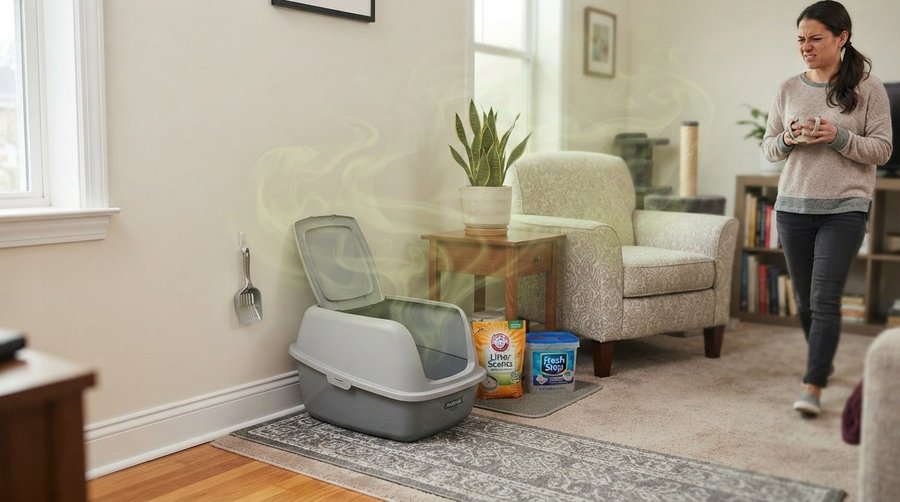

One evening after job i reached at home, I noticed a strong unpleasant smell in my home.
At first, I thought it was something simple. I opened the windows, cleaned the room, emptied the trash, and sprayed air fresheners. I even lit scented candles, hoping the smell would disappear.
It didn’t.
The fragrance only covered the odor for a short time. A few minutes later, the unpleasant smell was back.
So I searched online and bought a home air purifier. I was confident the problem would finally be solved.
A few days later, I realized something surprising.
The air purifier was running all day, but the odor was still there.
That’s when I discovered an important fact that many people don’t know:
Not every air purifier is designed to remove odors.
Choosing the right air purification system is much more than buying a machine with a fan and a filter. The technology inside the unit must match the type of pollutant you are trying to remove.
Not Every Air Purifier Removes Every Pollutant
Many people believe that any air purifier can clean the air completely.
In reality, different pollutants require different filtration technologies.
Indoor air may contain:
- Dust
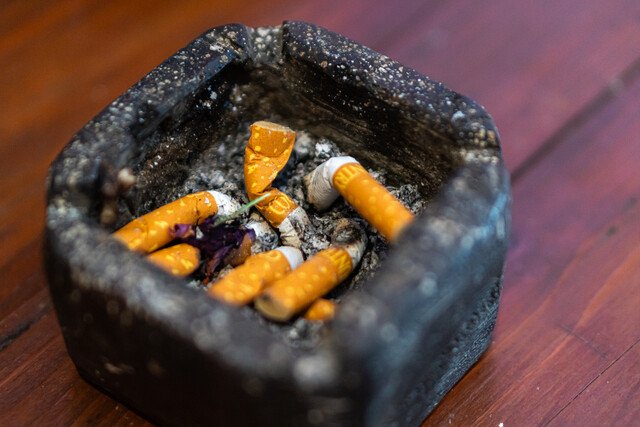
- Smoke
- Cooking odors
- Pet odors
- VOCs (Volatile Organic Compounds)
- Hydrogen sulfide (H₂S)
- Ammonia (NH₃)
- Mold spores
- Pollen
- Bacteria
- Fine particles (PM2.5)
No single filter is equally effective against all of these contaminants.

Why Some Air Purifiers Remove Dust but Not Odors
One of the most common reasons people are disappointed with an air purifier is that it contains only a HEPA filter.
HEPA filters are excellent for capturing airborne particles such as:
- Dust
- Pollen
- Pet dander
- Mold spores
- Fine particles
However, odors are usually made up of gas molecules, not particles.
Because gases are much smaller than dust particles, they simply pass through a HEPA filter.
This is why a room may feel cleaner while unpleasant odors remain exactly the same.

Odor Removal Requires the Right Filter
Removing odors requires technologies specifically designed for gases.
Depending on the odor source, this may include:
- Activated carbon
- Impregnated activated carbon
- Photocatalytic Oxidation (PCO)
- Hydroxyl technology
- Ozone treatment for unoccupied spaces
Each technology removes different contaminants.
For example, activated carbon is highly effective for cooking odors, smoke, and many VOCs, while impregnated carbon is better suited for gases such as hydrogen sulfide and ammonia.
Simply buying the most expensive air purifier does not guarantee better odor removal.
The Filter Must Match the Odor Source
Before choosing an air purifier, it is important to identify where the odor comes from.
Different environments produce different contaminants.
Kitchen
Common pollutants include:
- Cooking odors
- Grease vapors
- VOCs
Activated carbon filtration is often the most effective solution.
Office
Indoor air may contain:
- VOCs from furniture
- Pantry odors
- Body odors
- Cleaning chemical fumes
A combination of particle filtration and gas filtration is often required.
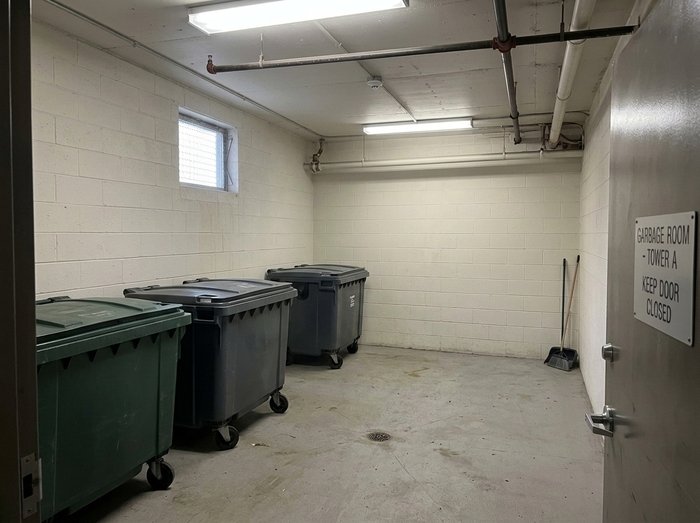
Garbage Rooms
Waste storage areas commonly contain:
- Hydrogen sulfide (H₂S)
- Ammonia (NH₃)
- Mercaptans
These gases often require specialized activated carbon rather than standard carbon filters.
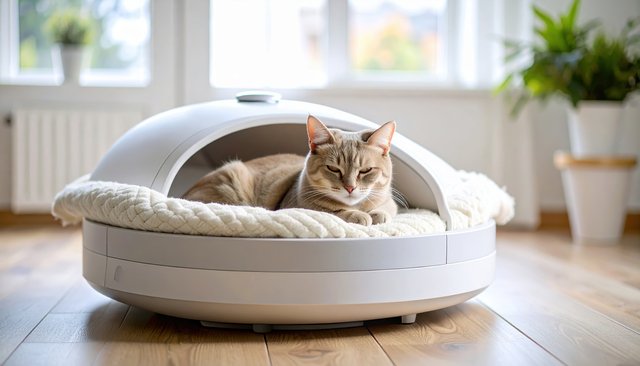
Pet Areas
Pet environments may produce:
- Organic odors
- Ammonia
- Moisture
The filtration system should be selected based on the specific odor source rather than using a general-purpose air purifier.
Room Size Matters
Even the best filtration technology cannot perform well if the unit is too small for the room.
An air purifier designed for a bedroom may not effectively clean the air in a large living room, restaurant, office, or warehouse.
When selecting a system, consider:
- Room size
- Ceiling height
- Airflow capacity
- Air changes per hour (ACH)
- Source of contamination
A properly sized system continuously circulates and cleans the air throughout the space.
Airflow Is Just as Important as the Filter
Another common misconception is that simply adding more activated carbon automatically improves odor removal.
In reality, contaminated air must pass through the filter.
Professional air purification systems are carefully designed to balance:
- Airflow
- Filter depth
- Contact time
- Pressure drop
- Fan performance
Without proper airflow, even a high-quality filter cannot reach its full performance.
A Complete Air Purification Solution
The most effective air purification systems rarely rely on a single filter.
Instead, they combine different technologies that work together.
For example:
- A pre-filter captures larger dust particles.
- A HEPA filter removes fine airborne particles.
- Activated carbon removes odors and VOCs.
- Additional technologies such as PCO or hydroxyl treatment may help reduce certain gases and airborne contaminants.
Each stage targets a different type of pollution, creating cleaner and healthier indoor air.
Choosing the Right Air Purification Solution
Instead of asking,
“Which air purifier is the best?”
A better question is:
“Which air purification solution is right for my environment?”
The answer depends on several factors:
- What is causing the odor?
- Are you trying to remove particles, gases, or both?
- How large is the space?
- Is the problem continuous or occasional?
- Is the environment occupied throughout the day?
Only after answering these questions can the right filtration technology be selected.
Conclusion
An air purifier is not a one-size-fits-all solution.
A unit that performs well in a bedroom may not be suitable for a commercial kitchen, office, warehouse, or garbage room. Likewise, a filter that removes dust may have little effect on odors, while a filter designed for VOCs may not remove ammonia or hydrogen sulfide.
The most effective air purification systems are those designed specifically for the size of the space, the source of contamination, and the type of pollutants present.
When the right technology is matched with the right environment, the result is more than fresh-smelling air—it is cleaner, healthier air that people can truly feel.