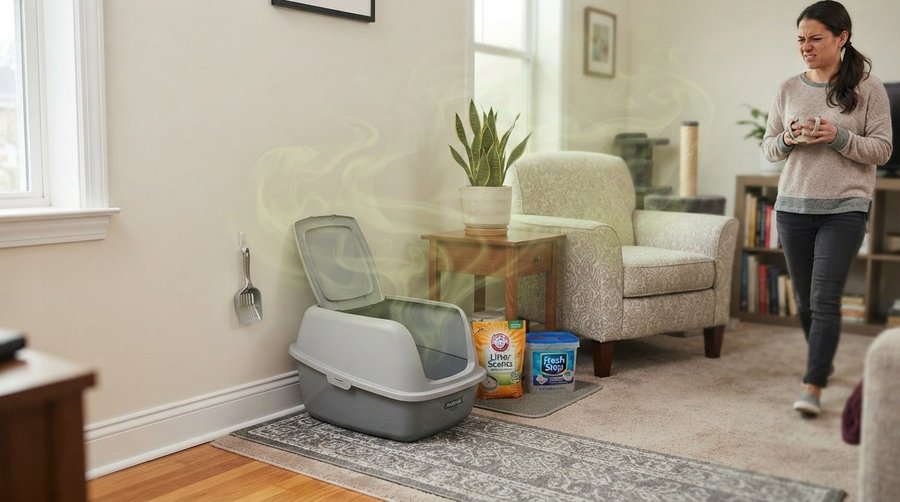
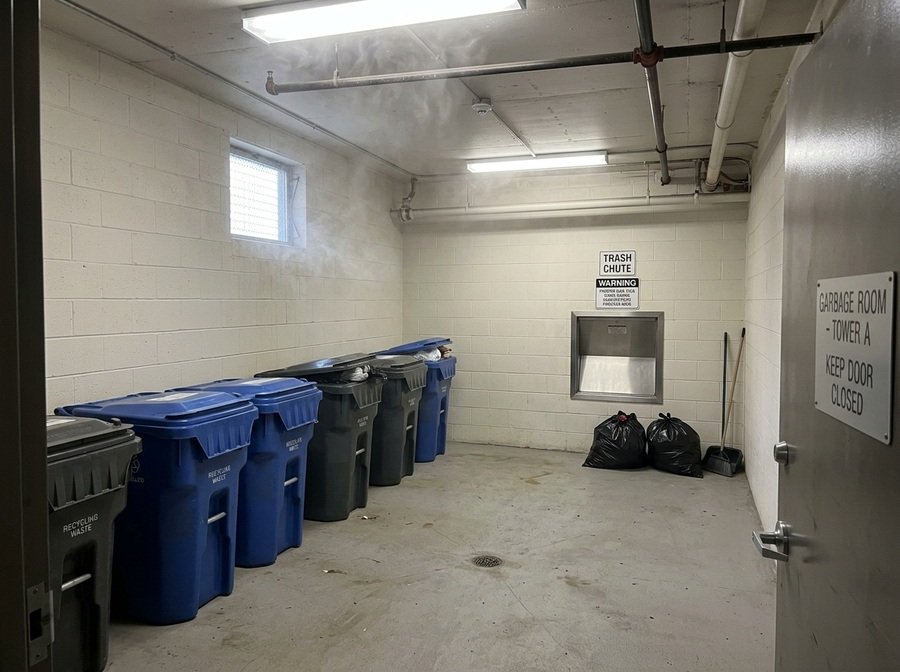
To choose a garbage room odour control system, identify the source, check airflow and assess the waste load. Options include powered filtration in the main collection room, specialist fragrance-free diffusers and compact devices in floor-level chute rooms. Select equipment using application-specific performance information and maintenance requirements.
A clean lobby makes a good first impression. A smell from the garbage room can undo it before a visitor reaches the apartment or office.
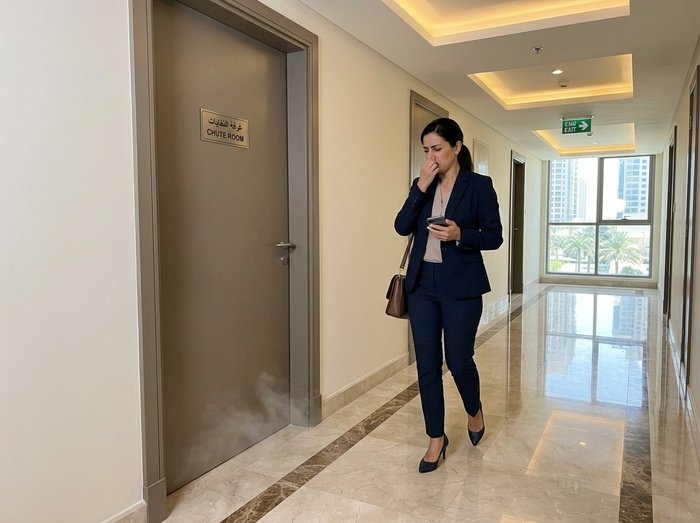
For residents, the problem is more immediate. They pass the chute room every day, wait for lifts nearby and expect shared areas to feel clean. When waste odour reaches corridors, it becomes a building-management issue that deserves attention.
Effective garbage room odour control starts with understanding where the smell comes from. The next step is choosing a solution for that location: a powerful filtration unit in the main collection room, a specialist diffuser using a fragrance-free odour-control formulation, or a compact device in a floor-level chute room.
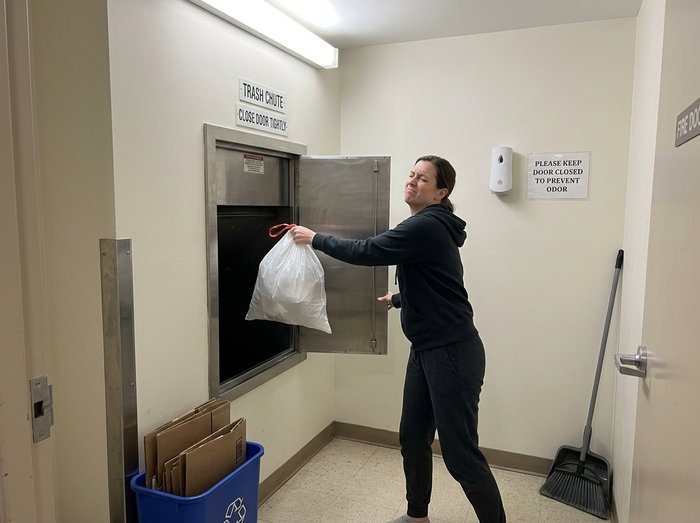
Why garbage room smells become a problem
Food waste, leaking bags and residue inside bins can create persistent smells. Waste left between collection times adds to the load. Residue around the chute opening, drains or floors may also contribute.
Cleaning removes these sources, but airborne odour can remain or return as fresh waste arrives. Poor airflow can allow it to build up or move into neighbouring areas.
Residents may notice the smell even when the garbage-room door is closed. Office tenants may encounter it on their way to work or while receiving clients. For the management team, repeated complaints mean more inspections, follow-up calls and pressure on cleaning staff.
A practical solution needs to address both the waste-handling routine and the remaining odour in the air.
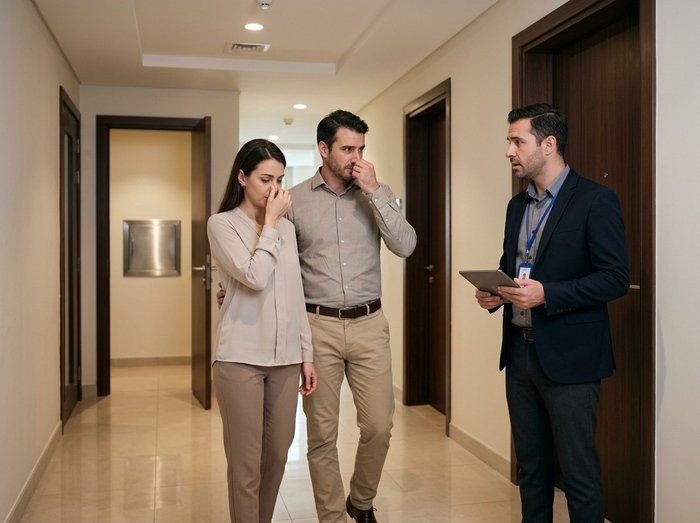
Waste odour affects how people judge a building
Residents expect management to keep shared spaces comfortable. A recurring smell can make them question the cleaning standard, even when the rest of the building is well maintained.
It can also influence prospective buyers and tenants. Someone viewing a property may worry about living or working near the affected area. That concern can weaken the property’s appeal and make the rental or purchase decision harder.
The financial effect varies between properties; there is no fixed reduction in value that applies to every building. Even so, addressing visible and noticeable maintenance problems helps management present the building with confidence.
Garbage room odor control should therefore be considered part of the resident experience and property-maintenance plan.
Three practical options for garbage room odour control
The right installation depends on where the problem occurs. A large waste collection room needs a different approach from a small chute room on a residential floor.
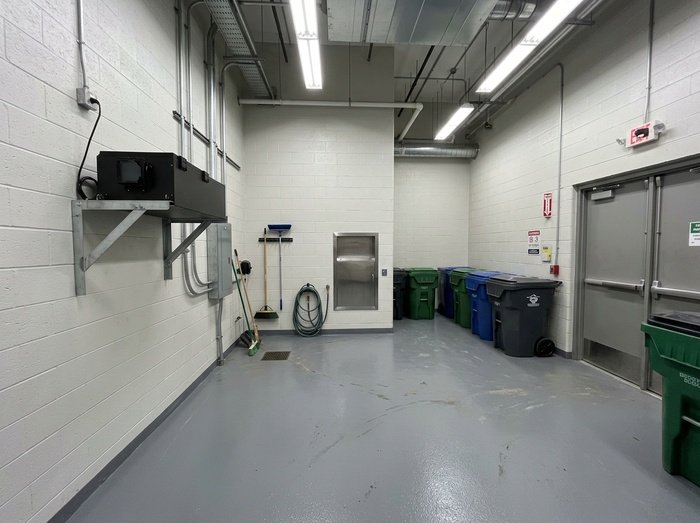
1. Install a powerful filtration unit in the main collection room
For a room that receives waste from several floors, a powered filtration unit can be assessed for ongoing air treatment.
The unit draws room air through treatment stages. These may include activated carbon for selected odour gases and an enclosed UV stage for microbial treatment. Their functions are different, so ask the supplier to explain what each stage contributes.
The EPA distinguishes gas filtration from UV treatment in its technical review of air-cleaning technologies. A UV lamp by itself should not be treated as proof of odour removal.
For building managers, the main question is whether the complete unit suits the room’s waste load and airflow. Look for:
- Capacity supported by relevant performance information.
- A position that allows air to circulate through the unit.
- Protection from wash water and moving bins.
- Straightforward access for filter replacement and servicing.
An integrated carbon-and-UV unit is an option where both treatment functions are required. The supplier should size and assess the complete system, rather than recommend equipment solely from the room’s floor area.
Learn more about activated carbon and odour filtration.
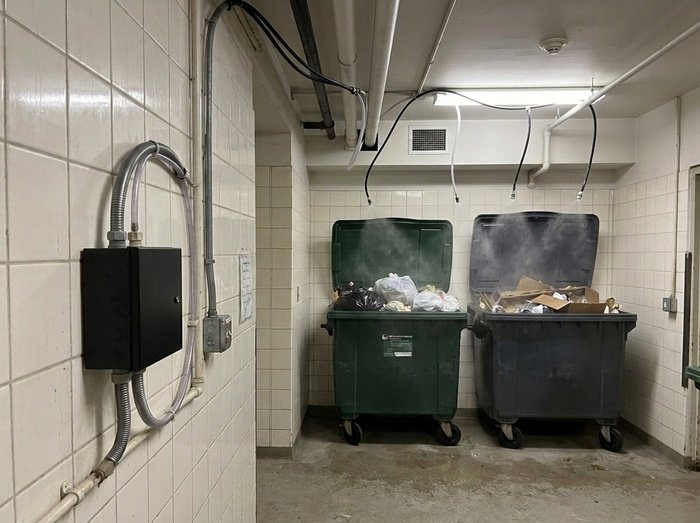
2. Use a specialist diffuser with a fragrance-free formulation
A specialist diffuser distributes a compatible odour-control formulation into the treatment area. Some systems use fragrance-free materials designed to reduce particular odours without adding a perfume scent.
This can be relevant where management wants an automatic dosing system and a different installation approach from a filtration unit.
Choose the formulation and delivery device together. A standard fragrance diffuser filled with an unsuitable liquid is not equivalent to a purpose-designed garbage room deodorizer.
Before installation, ask the supplier to confirm the formulation’s intended use, dosing instructions and evidence for waste-odour reduction. Review its safety information for the people who enter and work in the room.
Also consider refill frequency and placement. The system should avoid unwanted deposition on floors or nearby surfaces and remain compatible with the room’s ventilation.
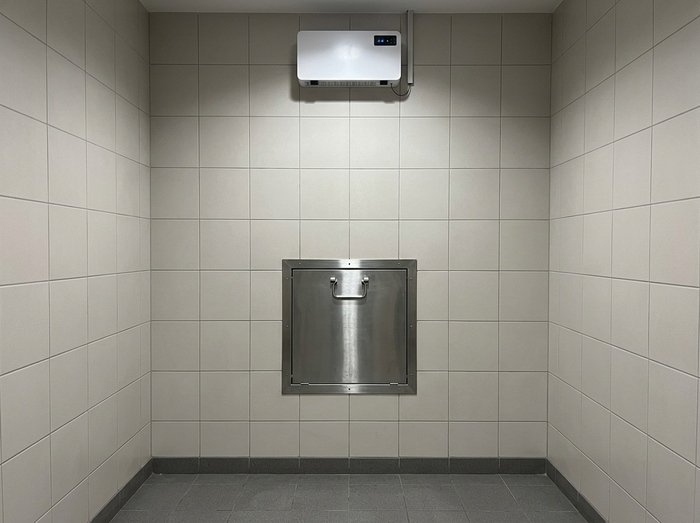
3. Install compact devices in floor-level chute rooms
Some buildings receive complaints around individual chute rooms rather than only at the main collection point.
A compact wall-mounted device can be considered for local air treatment in these spaces. Depending on the assessment, it may use filtration or another documented odour-control method.
First check the chute opening, surrounding residue and airflow. If the smell is travelling through the shaft, a local device may need to form part of a wider solution.
Installation should leave the chute door, walking route and service access clear. Keep the function of fire-rated doors and chute components intact.
A trash room deodorizer for a small chute room should be selected for that application. Equipment intended for the main collection room should not automatically be assumed to suit every floor.
Choose around the location of the complaints
| Where the problem occurs | Option to assess |
|---|---|
| Main collection room with a continuous waste load | Powered filtration with suitable treatment stages |
| Area suited to automatic dosing | Specialist diffuser with a compatible fragrance-free formulation |
| Individual floor-level chute room | Compact local odour-control device |
| Several connected locations | A coordinated plan covering sources, airflow and local treatment |
Some buildings need more than one installation. Others may resolve the problem through source cleaning, maintenance and a single treatment point.
A site assessment helps management avoid buying several devices before understanding why the smell is spreading.
Make maintenance part of the decision
Every proposed solution needs an operating plan.
Filtration units require filter servicing. Diffusers need refills and dosing checks. Compact devices have their own cleaning and maintenance requirements.
Ask who will carry out the work and whether consumables are available locally. Record where complaints occur before installation, then review the same locations after the system is operating.
Keep waste collection, bin cleaning and ventilation maintenance in place. Odour-control equipment supports these routines.
What is the difference between a garbage room deodorizer and an air freshener?
An air freshener adds fragrance. A garbage room deodorizer may use filtration or a formulation designed to reduce particular odours. Check the product’s mechanism and performance evidence, since the name alone does not establish how it works.
Can activated carbon and UV be used in one unit?
Yes. An integrated unit can contain activated carbon for selected odour gases and an enclosed UV stage for microbial treatment. Ask for evidence relevant to the complete system and the intended installation.
Can a fragrance-free diffuser reduce garbage room odour?
A specialist diffuser may distribute a fragrance-free formulation designed for particular odours. Results depend on the formulation, dosing and room conditions. Confirm that both the liquid and device are approved by the manufacturer for the intended use.
Does every floor-level chute room need a device?
It depends on the intensity and location of the odour. Where smells occur in both areas, installing suitable devices in the main waste collection room and the affected floor-level chute rooms can provide more comprehensive odour control.
Discuss your building’s waste odour problem with Darbune
Persistent waste smells deserve a clear response from building management. Residents benefit from more comfortable shared areas, while visitors can assess the property without a recurring odour distracting from it.
Darbune can assess the main collection room and chute areas, then discuss a suitable approach: powerful filtration, a specialist fragrance-free diffuser system, local devices or a combination selected for the building.
Tell us where the smell is strongest, when complaints occur, and what your team has already tried. Contact Darbune to discuss waste odour-control solutions for your residential or commercial property in the UAE.
Share your room size, waste collection schedule and the locations where odour complaints occur.