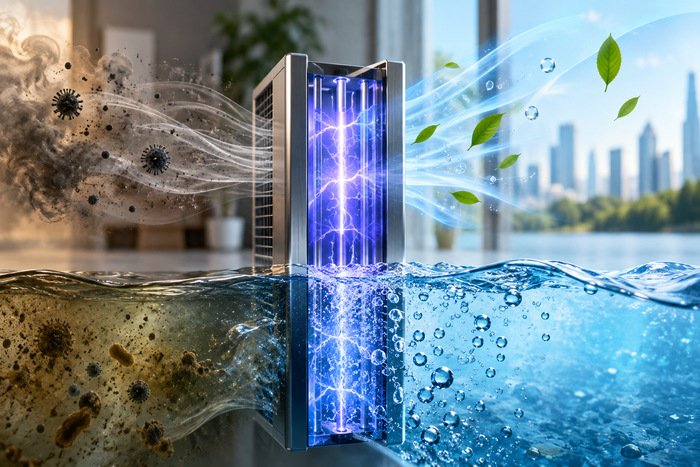
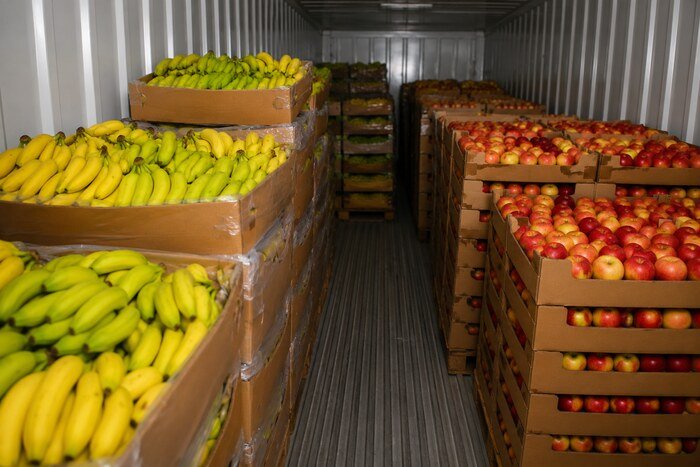
Ethylene absorbers help extend fruit shelf life by reducing the ethylene gas that accumulates during storage and transportation. Their effectiveness depends on the fruit type, absorber capacity, airflow, and storage conditions.
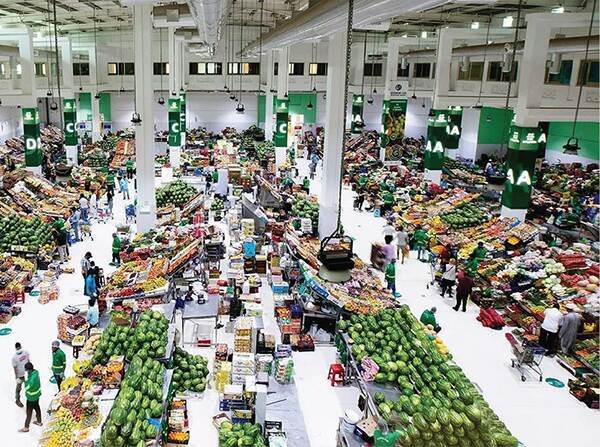
Every day, thousands of tons of fresh fruits pass through the United Arab Emirates on their way to supermarkets, wholesalers, cold rooms, and export destinations across the Middle East, Asia, and Africa.
The UAE has become one of the region’s most important logistics and re-export hubs for fresh produce. Every extra day of freshness means higher product value, less waste, and happier customers.
However, there is an invisible challenge that travels with every shipment.
Ethylene gas.
Even in a well-managed cold room, a small amount of ethylene can accelerate ripening, shorten shelf life, and increase food waste if it is not properly controlled.
Why Does Ethylene Matter?
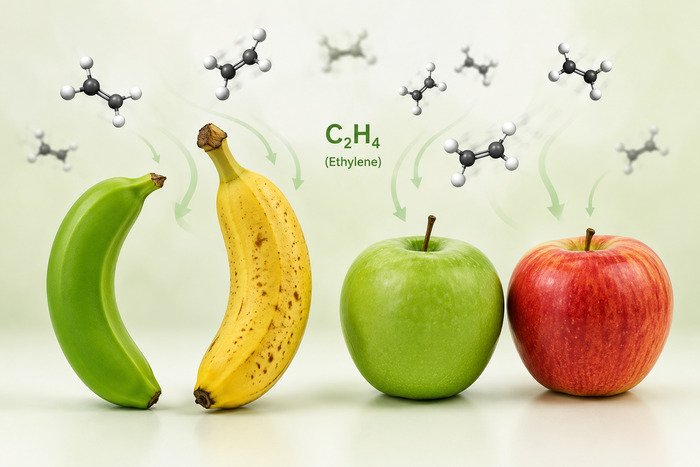
Ethylene is a natural plant hormone produced by many fruits.
As fruit matures, it releases ethylene gas into the surrounding air.
This gas acts as a signal that speeds up the ripening process—not only for the fruit producing it, but also for nearby ethylene-sensitive fruits.
A single batch of ripening fruit can influence the entire storage area if ethylene levels continue to build up.
This is one of the reasons why proper ethylene management has become an essential part of modern cold storage and fresh produce logistics.
Want to learn how businesses control ethylene during storage and transportation? Read our complete guide to Ethylene Control Solutions.
Food Loss Starts Long Before the Consumer
Many people think food waste only happens in supermarkets or at home.
In reality, significant losses occur much earlier.
According to the Food and Agriculture Organization (FAO), approximately 13.3% of food produced globally is lost between harvest and retail, before it even reaches consumers.
Fresh fruits and vegetables are among the most vulnerable products because they continue to respire and respond to ethylene after harvest.
These losses represent more than wasted food.
They also mean wasted water, energy, transportation costs, labor, and storage capacity.
For fruit exporters and distributors, reducing losses by even a few percentage points can significantly improve profitability.
Which Fruits Produce the Most Ethylene?
Not all fruits produce the same amount of ethylene.
High ethylene producers include:
- Bananas
- Apples
- Avocados
- Mangoes
- Pears
- Tomatoes
- Kiwifruit
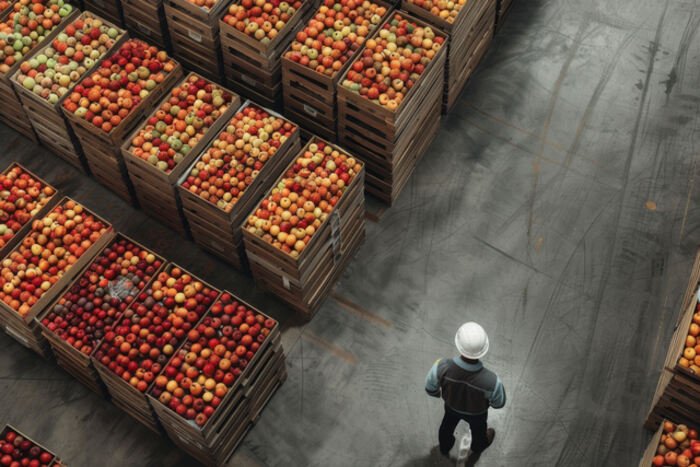
When these fruits are stored together, ethylene concentrations can increase rapidly inside cold rooms or shipping containers.
For this reason, many storage facilities separate high ethylene-producing fruits from more sensitive products.
Fruits Sensitive to Ethylene
Some fruits and vegetables are highly sensitive to ethylene even though they produce very little themselves.
Examples include:
- Strawberries
- Grapes
- Citrus fruits
- Leafy vegetables
- Cucumbers
- Broccoli
- Lettuce
When exposed to excessive ethylene, these products may ripen too quickly, soften, discolor, or lose their market quality.
This is why storage planning is just as important as temperature control.
Why Cold Storage Alone Is Not Enough
Many people believe that refrigeration alone is enough to preserve fruit freshness.
While low temperatures slow the ripening process, they do not stop fruits from producing ethylene gas. Even inside refrigerated environments, fruits continue releasing ethylene throughout storage and transportation.
Over time, ethylene concentrations can increase inside cold rooms, warehouses, and refrigerated containers, especially when large quantities of fruit are stored together.
As ethylene accumulates, nearby fruits continue to ripen faster than expected, reducing their marketable life.
For this reason, modern post-harvest management focuses on controlling both temperature and ethylene.
Neither one should be ignored.
Ethylene absorbers support proper cold-chain management, but they do not replace refrigeration, ventilation, humidity control, hygiene, or the removal of damaged fruit. For the best results, they should be used as part of a complete post-harvest storage system.
How Do Ethylene Absorbers Help Keep Fruit Fresh?
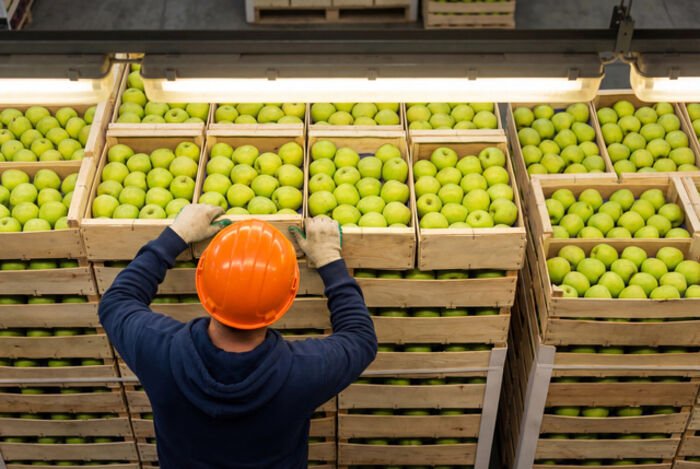
Ethylene absorbers help reduce the concentration of ethylene gas around stored fruit. This can slow unwanted ripening, softening, color changes, and quality loss. However, the correct product format must be selected for the storage space.
Sachets and pads are typically placed inside fruit cartons or packages. Larger spaces, such as cold rooms and refrigerated containers, may require filters, tubes, cartridges, or fan-assisted systems designed for the volume of air and quantity of produce.
For better performance, air containing ethylene must be able to pass through or across the absorber. The required size and quantity depend on the fruit type, ripening stage, storage volume, airflow, temperature, humidity, and expected storage period.
Ethylene absorbers are commonly used in:
- Fruit cartons and export boxes
- Cold rooms and walk-in coolers
- Refrigerated containers
- Fruit distribution centers
- Supermarket storage areas
- Flower storage and transportation
How Do Ethylene Absorbers Work?
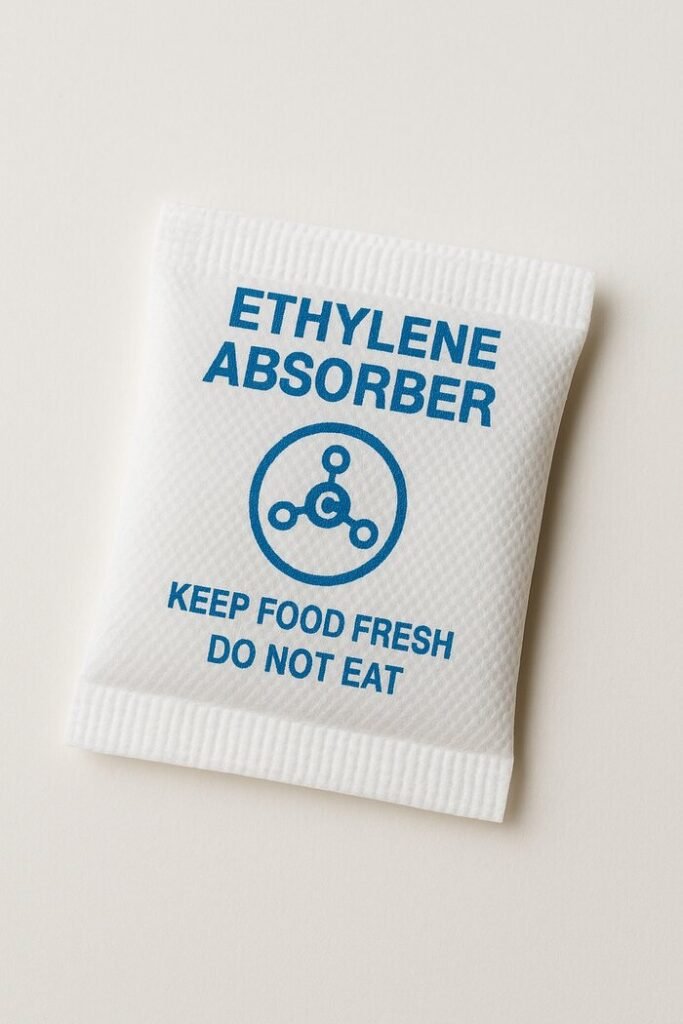
Many ethylene absorbers use potassium permanganate supported on a porous material such as activated alumina or zeolite. As air passes through the absorber, the active media oxidizes ethylene gas and helps reduce its concentration around the fruit.
The absorber must remain inside its intact breathable sachet, tube, or filter. Do not open it or allow the active media to come into direct contact with fruit.
Where Should Ethylene Absorbers Be Placed?
Place ethylene absorbers where air can pass through or across the active media. In fruit cartons, distribute the sachets without covering, crushing, or blocking their breathable surface. In cold rooms and refrigerated containers, place properly sized filters or tubes along the airflow path for better performance.
How Long Do Ethylene Absorbers Last?
Ethylene absorbers gradually become saturated and cannot be used indefinitely. With high ethylene-producing fruits such as ripening bananas, avocados, mangoes, apples, and pears, the absorber may become saturated faster. For lower-producing but ethylene-sensitive produce such as kiwifruit, leafy vegetables, and broccoli, it may last longer.
Sachets used inside fruit cartons are generally intended for one storage or shipment cycle. Filters and tubes used in cold rooms may last from several weeks to a few months, depending on their capacity, the amount and ripeness of fruit, airflow, and storage conditions. Replace the absorber sooner if its colour indicator shows saturation or fruit begins ripening faster than expected.
How Much Can Ethylene Absorbers Extend Fruit Shelf Life?
Results vary by fruit and storage conditions, but controlled studies have reported measurable improvements:
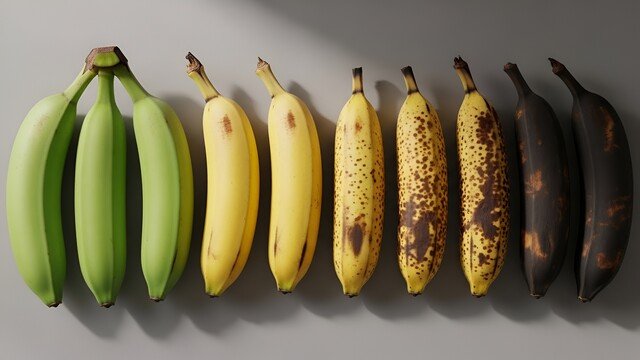
- Bananas: Shelf life increased from approximately 10 days to 18–20 days in some trials.
- Mangoes: Marketable storage life was extended by approximately 5 additional days at 25°C in one study. Read More
- Avocados: An ethylene scavenger extended shelf life by approximately 7 days at 25°C. Read More
- Kiwifruit: Reducing ethylene exposure can delay premature softening and help maintain firmness during cold storage, although no single number applies to every variety and storage condition.
These figures are examples from controlled studies, not guaranteed results. Actual performance depends on fruit maturity, temperature, packaging, absorber dosage, airflow, and storage conditions.
Best Practices for Managing Ethylene
Effective ethylene control is not based on a single solution.
The best results usually come from combining several good storage practices.
Some recommendations include:
- Separate high ethylene-producing fruits from ethylene-sensitive produce.
- Store each fruit at its recommended temperature.
- Maintain good air circulation inside cold rooms.
- Inspect stored fruit regularly.
- Rotate inventory using the First-In, First-Out (FIFO) method.
- Use ethylene absorbers during storage and transportation when appropriate.
Following these simple practices can significantly reduce unnecessary losses and improve product quality.
Why Ethylene Control Matters for Businesses
For fruit exporters, wholesalers, supermarkets, and logistics companies, every additional day of shelf life has real economic value.
Longer-lasting fruit means:
- Less spoilage during transportation
- Lower financial losses
- Better product quality
- Higher customer satisfaction
- Fewer rejected shipments
- Improved sustainability
In today’s competitive fresh produce industry, reducing waste by even a small percentage can result in significant annual savings.
Ethylene management is therefore not simply about preserving fruit.
It is about protecting business performance throughout the supply chain.
A More Sustainable Supply Chain
Reducing fruit losses also helps protect natural resources.
When fruit spoils before reaching consumers, the water, fertilizer, fuel, refrigeration, packaging, and labor used to produce and transport that fruit are also wasted.
By extending shelf life and reducing post-harvest losses, businesses contribute to a more efficient and sustainable food supply chain.
Conclusion
Ethylene is a natural part of fruit ripening, but uncontrolled ethylene can significantly shorten shelf life and increase post-harvest losses.
For businesses involved in fruit storage, export, transportation, and retail, understanding and managing ethylene is one of the most effective ways to preserve quality, reduce waste, and improve profitability.
Combining proper refrigeration with effective ethylene control helps fresh produce remain marketable for longer while reducing unnecessary losses across the supply chain.
If you’re looking for practical ethylene control solutions for cold rooms, refrigerated containers, fruit exporters, or distribution centers, contact Darbune to learn how our ethylene control solutions can help protect freshness and extend shelf life.