
When people think about what makes a property attractive, they usually focus on location, floor plans, amenities, or interior finishes. Buyers compare kitchens, bathrooms, views, and parking spaces. Property managers invest heavily in landscaping, lighting, and security systems to improve the appearance of a building.
However, one critical factor is often overlooked until it becomes impossible to ignore: odor.
A building can be visually impressive, professionally managed, and located in a desirable neighborhood, yet a persistent unpleasant smell in its corridors or lobby can leave a lasting negative impression. Unlike paint colors or furniture, odors create an emotional response that immediately influences how people feel about a place.
A Real-World Example
A property owner decided to sell an apartment in a modern residential tower. The unit itself was in excellent condition. It had been well maintained, priced competitively, and located in a desirable area.
Over several months, numerous potential buyers visited the apartment. They appreciated the layout, the natural light, and the overall condition of the property. Surprisingly, however, none of them made an offer.
At first, the owner assumed the asking price was too high or that the market had slowed down. But after speaking with several visitors, a different pattern emerged.
The apartment wasn’t the problem.
The building was.
Almost every visitor mentioned the same issue: an unpleasant odor in the corridors and lobby.
Although the apartment itself smelled clean and fresh, every viewing began with a negative first impression before buyers even reached the front door. That first impression affected their overall perception of the property.

First Impressions Matter More Than We Think
Real estate professionals often say buyers decide how they feel about a property within the first few minutes of arrival.
That decision begins long before entering the apartment.
It starts when they:
- Walk through the entrance.
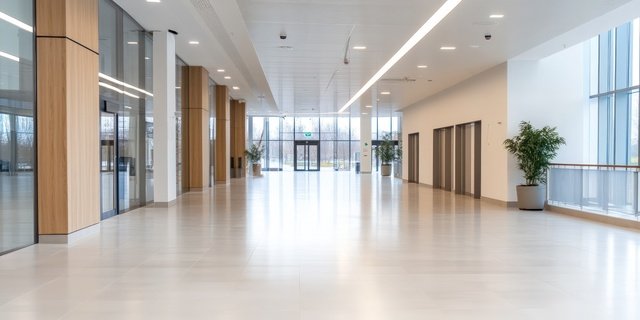
- Wait in the lobby.
- Ride the elevator.
- Walk along the corridor.
If any of these areas smell unpleasant, visitors subconsciously associate the odor with poor maintenance, hidden problems, or unhealthy living conditions.
Even if those assumptions are incorrect, perception influences purchasing decisions.
People naturally ask themselves questions such as:
- Is there a plumbing issue?
- Is garbage stored nearby?
- Does the building have poor ventilation?
- Will my apartment eventually smell like this?
- If I rent or resell this property later, will others have the same concern?
These doubts can be enough to stop a sale.

The Hidden Cost of Corridor Odors
Building odors are rarely included in financial reports, yet they can have a measurable impact on property performance.
Persistent odors may lead to:
- Longer selling times.
- Reduced buyer interest.
- Lower rental demand.
- More difficult lease renewals.
- Negative online reviews.
- Lower resident satisfaction.
- Increased complaints to building management.
For commercial properties, unpleasant odors may also affect visitors, employees, and customers, influencing their willingness to return.

Why Building Managers Should Care
Property managers often focus on visible maintenance issues because they are easy to identify.
Odors are different.
They are invisible, but they influence every resident and every visitor every day.
When building management successfully controls odors in common areas, several positive outcomes often follow.
Better Resident Experience
Residents feel more comfortable entering and leaving their homes.
Clean-smelling common areas create a stronger sense of cleanliness, safety, and professionalism.
Stronger Property Reputation
Visitors immediately notice when a building feels fresh and well maintained.
Real estate agents become more confident showing available units.
Positive first impressions encourage more serious buyers.
Increased Rental Appeal
Prospective tenants compare several buildings before making a decision.
If one building consistently smells cleaner than another, it immediately gains a competitive advantage.
Higher Property Value
Although many factors influence property values, building presentation plays an important role.
A well-maintained environment—including odor control—helps support stronger rental demand and can contribute to protecting the long-term value of the building.
Where Do Corridor Odors Come From?
Common sources include:
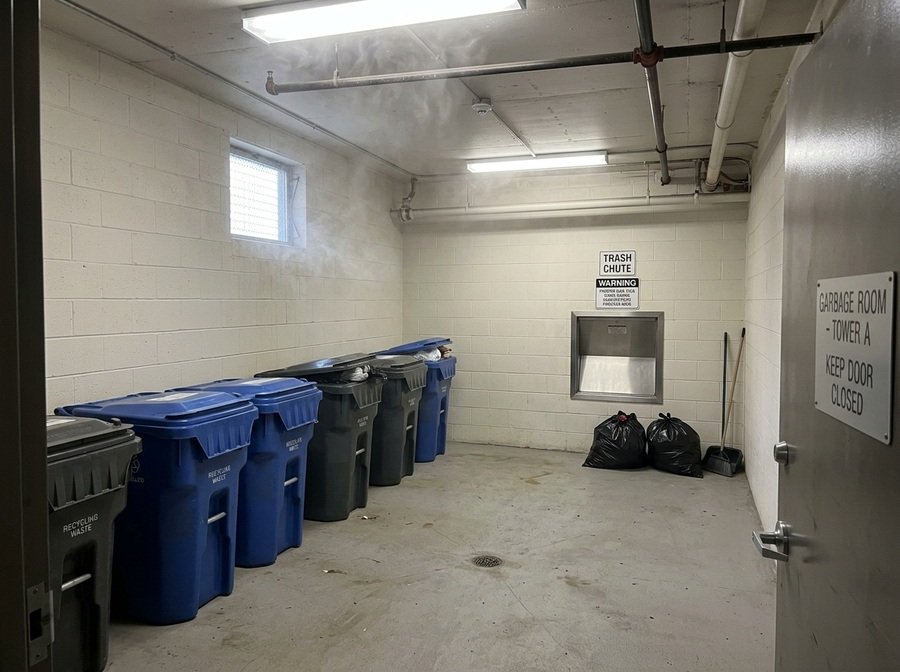
- Garbage collection rooms
- Waste chutes
- Food preparation odors
- Humidity and mold
- Sewer gases
- Poor ventilation
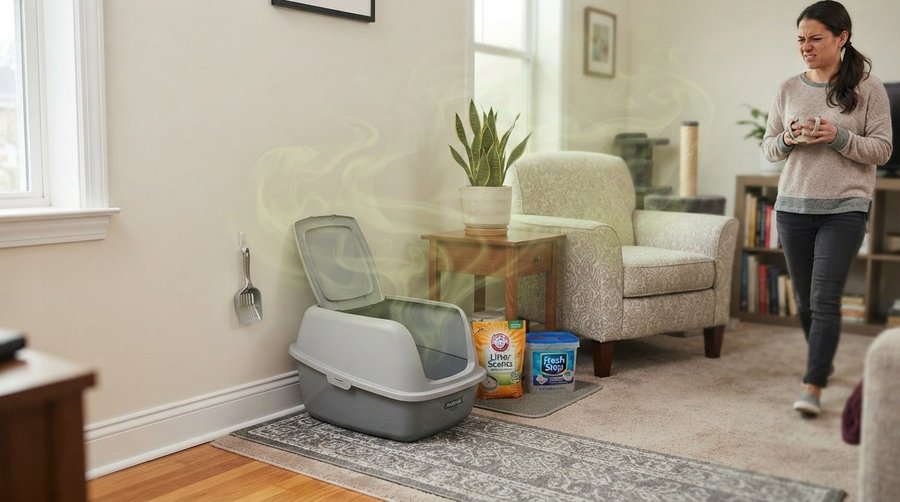
- Pet odors
- Damp carpets
- Cleaning chemical residues
- Mechanical rooms
Simply masking these odors with fragrances rarely solves the underlying issue.
Modern Odor Control Solutions
Today’s odor management technologies are far more effective than traditional air fresheners.
Depending on the odor source, building managers may use:
- Activated carbon filtration for VOCs and cooking odors
- Zeolite filtration for ammonia and waste-related odors
- Photocatalytic Oxidation (PCO) systems
- Improved ventilation strategies
- Source removal and sanitation
- Controlled ozone treatment for unoccupied spaces when severe odors require deep oxidation
The most successful buildings typically combine several technologies rather than relying on a single solution.

Odor Control Is an Investment, Not an Expense
Many maintenance budgets prioritize items that residents can easily see.
Yet air quality is something every resident experiences every day.
Investing in odor control can help:
- Improve resident satisfaction
- Reduce complaints
- Enhance the building’s image
- Support leasing and sales activity
- Create a healthier and more welcoming environment
For property managers, this means fewer complaints and a stronger reputation.
For owners, it means a building that is easier to market.
For buyers, it means greater confidence in their investment.
Final Thoughts
The apartment in this story was never the real problem.
The corridors were.
A clean, odor-free lobby and hallway communicate that a building is cared for, professionally managed, and pleasant to live in. Those impressions influence buyers, tenants, and visitors long before they step inside a unit.
Sometimes, increasing the value of a property doesn’t require renovating every apartment.
It starts by improving the experience everyone shares—the common spaces.
For building owners and property managers, effective odor control is more than a maintenance task. It is an investment in resident satisfaction, stronger property perception, and the long-term value of the entire building.