

One of my friends manages a medium-sized office.
He had spent years creating a workplace where people genuinely enjoyed coming every day. The office was modern, bright, organized, and welcoming. Comfortable furniture, clean meeting rooms, and well-designed workspaces created an excellent first impression for both employees and visitors.
Yet there was one problem he couldn’t ignore.
Every afternoon, an unpleasant odor slowly spread through the office.
Sometimes it smelled like fish that someone had reheated for lunch.
Other days it was curry, garlic, onions, or strong spices lingering in the pantry.
Occasionally, the garbage bin added another layer of unpleasant odor before it was emptied.
The office always looked clean.
Unfortunately, it didn’t always smell clean.

At first, nobody complained.
People simply adapted.
Some employees grabbed their coffee and quickly returned to their desks.
Others preferred eating lunch outside instead of sitting in the pantry.
Over time, my friend noticed these small changes.
The pantry had quietly become the least popular place in the office.
Then one afternoon, while showing a potential client around the workplace, something happened that completely changed the way he viewed the problem.
The client smiled politely and asked,
“Is there a restaurant nearby?”
My friend looked surprised.
“No.”
“Why do you ask?”
“I thought I could smell food cooking.”
The comment was polite.
But it stayed in his mind for the rest of the day.
He realized that unpleasant odors were affecting more than employee comfort.
They were affecting the company’s professional image.

The following morning, he decided to solve the problem.
Like most office managers, he started with simple solutions.
He bought air fresheners.
For a few minutes the pantry smelled pleasant.
Then the food odor returned.
Next, he installed automatic fragrance dispensers.
Now the office smelled like perfume mixed with leftover lunch.
That wasn’t much better.
He increased the cleaning schedule.
Garbage bins were emptied more often.
The pantry was cleaned several times every day.
Everything looked cleaner.
But shortly after lunchtime, the unpleasant smell slowly returned.
He even contacted the building management to inspect the ventilation system.
Everything was working properly.
The ventilation wasn’t the problem.
The odor itself was.

That evening, he searched online for answers.
He typed:
Office odor removal
Office odor control
Office odor eliminator
Odor neutralizer for office
He quickly discovered that thousands of offices experience exactly the same issue.
Office pantries.
Coffee stations.
Garbage bins.
Break rooms.
These spaces often become the main source of unpleasant indoor odors.
He also noticed something interesting.
Many products promised to make an office smell fresh.
Very few explained how they actually removed unpleasant odors instead of simply masking them.
That changed the way he approached the problem.
Instead of adding another fragrance, he wanted to address the source of the odor.
Eventually, he contacted a company specializing in office odor control.
Instead of immediately recommending a product, the specialist asked several questions.
How large was the pantry?
How many employees used it every day?
What kinds of food were commonly prepared?
Where did the air move through the room?
How long did odors usually remain after lunch?
Only after understanding the environment did they recommend an appropriate filtration solution.
The recommendation wasn’t based on guesswork.
It was based on the odor source, airflow, and room size.
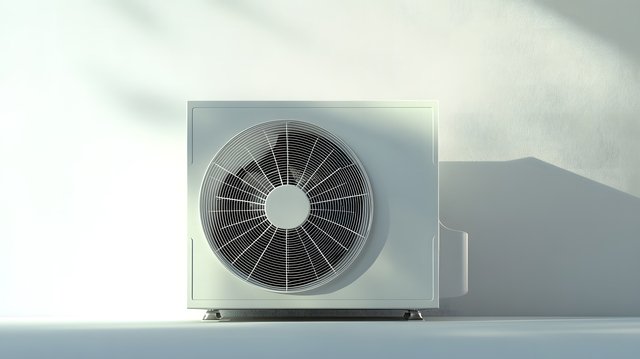
A filter was installed near the main airflow inside the pantry.
Nothing else changed.
Employees continued heating their lunches.
Coffee machines continued operating all day.
The garbage collection schedule remained exactly the same.
But after several days, something became obvious.
Employees stopped mentioning unpleasant smells.
People spent more time talking over coffee.
Visitors no longer noticed lingering food odors during office tours.
The pantry finally felt as clean as it looked.
Watching my friend solve this problem made me realize something.
Many businesses invest thousands of dollars in furniture, lighting, flooring, and office design.
Yet one persistent odor can leave a stronger impression than all those investments combined.
Why Office Odor Removal Matters
Effective office odor removal is about much more than creating a pleasant smell.
Persistent odors can reduce employee comfort, discourage people from using shared spaces, and leave a negative impression on visitors and clients.
A clean-looking office should also provide a fresh indoor environment.

Common Sources of Office Odor
The most common sources of office odors include:
- Food heated in microwave ovens
- Pantry garbage bins
- Coffee stations
- Forgotten food inside refrigerators
- Organic waste
- Poor airflow in enclosed break rooms
Identifying the source is the first step toward successful office odor control.
Why Air Fresheners Are Not Enough
Air fresheners make a room smell different.
They don’t necessarily remove the compounds responsible for unpleasant odors.
That’s why many offices notice that unwanted smells return shortly after the fragrance fades.
For long-term results, businesses should focus on reducing odor-causing compounds instead of simply covering them with another scent.
Choosing the Right Office Odor Eliminator
Not every office odor eliminator is suitable for every workplace.
The best solution depends on several factors, including the odor source, airflow, room size, and how the space is used throughout the day.
A pantry serving twenty employees requires a different approach than a large cafeteria or an open office kitchen.
Selecting the right solution begins with understanding the environment rather than choosing the strongest fragrance.
The filtration media plays a major role in odor performance. Learn more about activated carbon filters and how they work.
Is an Odor Neutralizer for Office the Right Choice?
Many people search online for an odor neutralizer for office environments.
The right choice depends on the specific application.
Food odors, garbage odors, and organic waste may require different odor-control strategies.
Evaluating the source of the odor before selecting a solution usually leads to better long-term results.
Some businesses also compare air purifiers with dedicated odor removal systems before selecting the right solution
Final Thoughts
A pleasant workplace is about more than attractive furniture and modern design.
Fresh indoor air contributes to employee well-being, visitor satisfaction, and a professional business image.
If you’re looking for effective office odor removal, office odor control, or the right office odor eliminator, start by identifying the source of the odor rather than simply masking it. The right solution can help create a cleaner, more comfortable office where employees enjoy working and visitors leave with a positive impression.
Need a Professional Office Odor Removal Solution?
If you’re looking for an effective way to eliminate unpleasant odors in your office, pantry, break room, or shared workplace, Darbune is here to help. We’ll assess your environment and recommend the most suitable odor control solution based on your specific needs.
Contact us today to discuss your office odor removal project.